Free AML and KYC Course
AML & KYC Compliance Essentials
 4.69
Beginner level
3.22 learning hrs
4.69
Beginner level
3.22 learning hrs
Learn about AML, KYC, money-laundering stages, BSA, PATRIOT Act, CDD, EDD, transaction monitoring, SARs, CTRs, OFAC, and sanctions. Join this Free AML course to detect financial crime and support compliance.



What you'll learn


About this course
This free anti-money laundering training course equips you with the foundational skills to understand financial crime, money laundering risks, and the compliance controls used across financial institutions. You’ll learn what money laundering is, the three stages of laundering, terrorist financing differences, crypto-related threats, and the US AML regulatory framework, including the Bank Secrecy Act, the USA PATRIOT Act, the AML Act of 2020, FinCEN, FATF standards, and the TD Bank case. The course also covers the five pillars of a BSA/AML compliance program, the risk-based approach, KYC, Customer Due Diligence, Enhanced Due Diligence, beneficial ownership, PEPs, transaction monitoring, suspicious activity red flags, SARs, CTRs, sanctions, OFAC screening, and compliance culture. By the end of this free AML training course, you’ll be able to explain how AML and KYC programs work, recognize key financial crime risks, understand regulatory expectations, and build a strong foundation for entry-level roles in AML, KYC, sanctions, and financial crime compliance.
Course outline
Introduction to AML & Financial Crime
In this module, you will learn what money laundering is and why it matters, where AML/KYC work happens and the entry roles, and — through the record $3.09B TD Bank case — why under-resourced compliance is catastrophic.
How Money Laundering Works
In this module, you will learn the three stages of laundering (placement, layering, integration), the common techniques criminals use, how terrorist financing differs, and emerging threats like crypto and virtual assets.
The US AML Regulatory Framework
In this module, you will learn the core US laws — the Bank Secrecy Act, the USA PATRIOT Act, and the AML Act of 2020 — the role of FinCEN and the prudential regulators, and how FATF's global standards fit in.
The BSA/AML Compliance Program
In this module, you will learn the five pillars of an effective program, the risk-based approach, the role and authority of the BSA/AML officer, and why independent testing and workforce-wide training matter.
KYC & Customer Due Diligence
In this module, you will learn the Customer Identification Program, CDD and EDD, beneficial ownership and the 2025 BOI change, and how to recognize PEPs and keep KYC current through ongoing review.
Detecting Suspicious Activity
In this module, you will learn to recognize red flags, how transaction monitoring generates alerts, how alerts are investigated, and the SAR and CTR requirements — including the tipping-off prohibition.
Sanctions & Screening
In this module, you will learn what economic sanctions are and OFAC's role, the SDN list and how screening works, the difference between blocking and rejecting, and what to do when you get a potential match.
Building a Culture of Compliance & Your Path
In this module, you will learn what sustains a healthy compliance culture and the three lines of defense, where financial-crime compliance is heading, and how to map your own path toward AML/KYC certification.
Get access to the complete curriculum once you enroll in the course
This course is ideal for
- Beginners wanting to learn financial crime compliance basics.
- Students and job seekers exploring compliance careers.
- Working professionals who handle KYC and AML risk.
- Job seekers adding an AML and KYC certificate to their CV.
 4.69
4.69




















Frequently Asked Questions
Will I receive a certificate upon completing this free course?
Is this course free?
What will I learn in this free AML course?
You’ll learn how money laundering works, why AML and KYC controls matter, and how financial institutions prevent financial crime. The course covers money laundering stages, terrorist financing, crypto and virtual asset risks, US AML laws, KYC, CDD, EDD, beneficial ownership, PEPs, transaction monitoring, SARs, CTRs, sanctions, OFAC screening, and compliance culture.
Is this course suitable for beginners?
Yes, this course is designed for beginners who want to understand AML, KYC, and financial crime compliance from the ground up. It is useful for career changers, students, analysts, and professionals targeting entry roles in banks, credit unions, fintechs, crypto firms, and money services businesses.
What topics are covered in this free anti-money laundering training?
The course covers the following modules:
Introduction to AML & Financial Crime
How Money Laundering Works
The US AML Regulatory Framework
The BSA/AML Compliance Program
KYC & Customer Due Diligence
Detecting Suspicious Activity
Sanctions & Screening
Building a Culture of Compliance & Your Path
What skills will I gain from this free AML training?
You’ll gain the following skills:
AML & Financial Crime
Money Laundering Stages
BSA & PATRIOT Act
AML Act 2020
FinCEN & FATF
Five Pillars
Risk-Based Approach
KYC, CDD/EDD
Beneficial Ownership
PEPs
Transaction Monitoring
SARs & CTRs
Sanctions & OFAC
Compliance Culture
How does this Free AML KYC course explain money laundering?
The course explains money laundering through the three main stages: placement, layering, and integration. You’ll learn how criminals move illegal funds into the financial system, hide the source through complex transactions, and make the money appear legitimate. You’ll also learn how terrorist financing differs from money laundering.
Does this course cover the US AML regulatory framework
Yes, the course covers key US AML laws and regulators, including the Bank Secrecy Act, the USA PATRIOT Act, the AML Act of 2020, FinCEN, and prudential regulators. It also explains how FATF’s global standards influence AML expectations across financial institutions.
What will I learn in this kyc free online course?
You’ll learn the core KYC process, including Customer Identification Program requirements, Customer Due Diligence, Enhanced Due Diligence, beneficial ownership, PEP recognition, and ongoing customer review. These topics help you understand how institutions verify customers, assess risk, and keep customer profiles up to date.
Does this Free AML KYC course cover beneficial ownership?
Yes, the course covers beneficial ownership and the 2025 BOI change. You’ll learn why identifying ownership and control matters in AML compliance, how beneficial ownership supports customer risk assessment, and why rules around ownership reporting can affect compliance workflows.
What is covered in the BSA/AML compliance program module?
The course explains the five pillars of an effective BSA/AML compliance program, the risk-based approach, the role and authority of the BSA/AML officer, independent testing, and workforce-wide training. These topics help learners understand how compliance programs are structured and maintained.
Will I learn about suspicious activity detection?
Yes, you’ll learn how to recognize suspicious activity red flags, how transaction monitoring generates alerts, and how alerts are reviewed and investigated. The course also explains SAR and CTR requirements, including the tipping-off prohibition.
Is this one of the free anti-money laundering courses online for compliance career starters?
Yes, this course is a strong starting point for learners entering the field of financial crime compliance. It introduces AML, KYC, transaction monitoring, sanctions screening, suspicious activity reporting, and compliance culture, which are important foundations for entry roles such as KYC analyst, CDD analyst, and transaction monitoring analyst.
Does this free AML training online include real-world cases?
Yes, the course uses real-world cases, including the TD Bank AML case, to illustrate why under-resourced compliance programs can lead to serious regulatory, financial, and reputational consequences. These examples help learners connect AML concepts with real compliance failures.
How long does this AML and KYC Training take to complete?
This beginner-level course takes 2 hours and 15 minutes to complete. It is structured to help learners build foundational AML and KYC literacy in a focused format while covering key laws, controls, risks, and analyst responsibilities.
What outcome should I expect after completing this course?
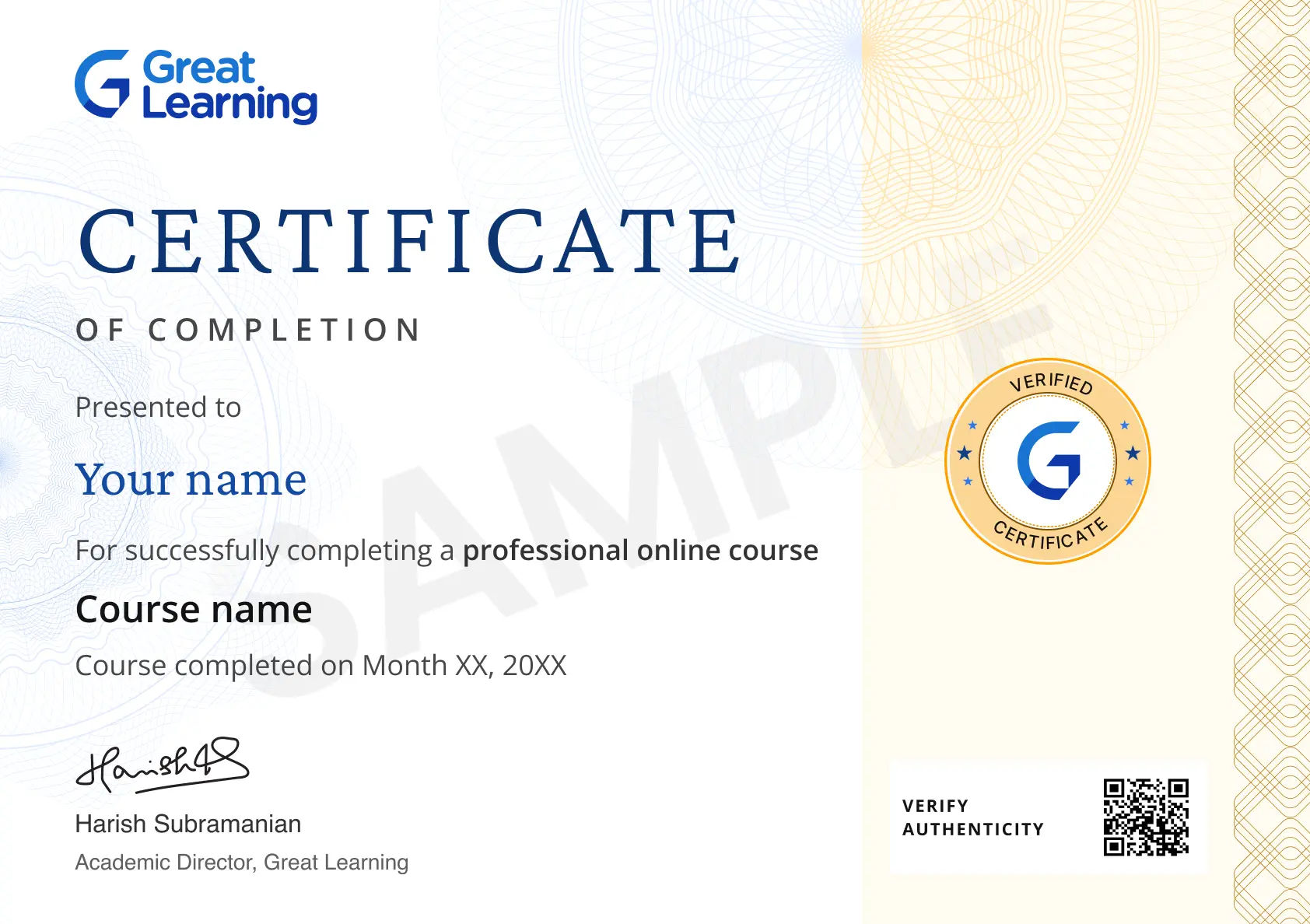
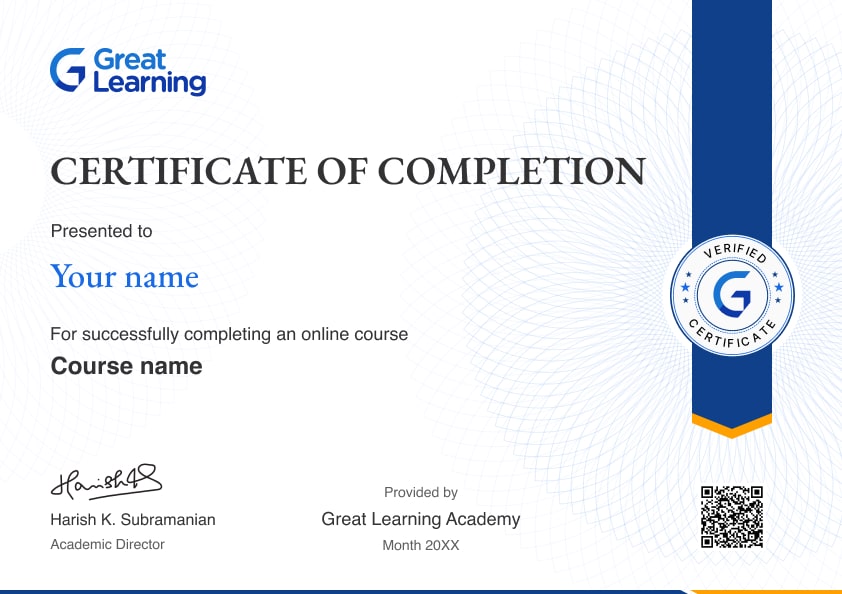
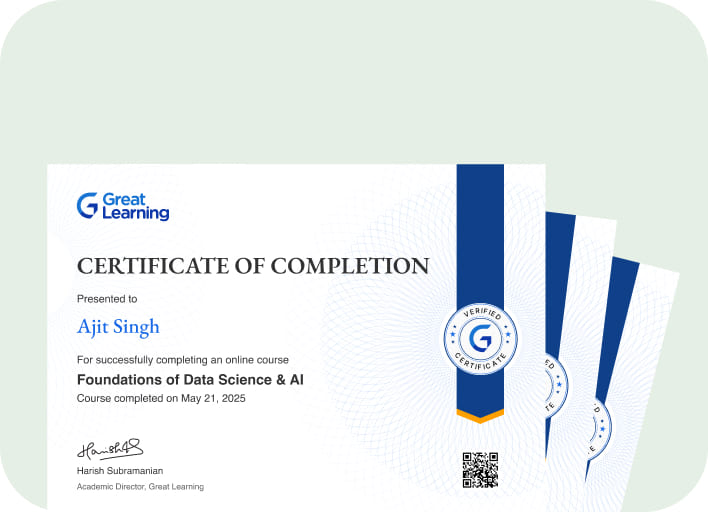
By the end, you’ll be able to explain how financial crime works, understand the rules that govern AML and KYC, recognize common laundering and sanctions risks, identify key compliance controls, and understand the analyst’s role in detecting and preventing financial crime. You’ll also receive a certificate to showcase your AML and KYC knowledge.

Recommended Free Finance courses
-
FREE

-
FREE
-
FREE
-
FREE
-
FREE
-
FREE
-
FREE
-
FREE
2.5 hrs
 FREE
FREE
.jpg "Course thumbnail image")