
Free Personal Finance Course
Understanding Personal Finance
 4.39
Beginner level
3.0 learning hrs
4.39
Beginner level
3.0 learning hrs
Learn the fundamentals of personal finance, including budgeting, investments, insurance, and debt management. Join this free personal finance course to plan strategies for better money management and goal setting.
Instructor:
E Balachandra Murthy




About this course
This personal financial management course provides essential knowledge on managing your finances effectively. You'll learn key concepts such as savings vs. investments, insurance basics, debt management, and strategies for reducing financial burdens. The course will guide you through understanding personal finance fundamentals, helping you make informed decisions about your money.
Course outline
Introduction to Personal Finance
This module provides an overview of finance, including personal finance definition, savings vs. investments, insurance fundamentals, and debt management with reduction strategies.
Understanding the Financial Statement
In this module, you will learn about financial statements, assets, liabilities, balance sheets, income statements, cash flow statements, and tools for financial statement analysis.
Budgeting and Financial Planning
This module covers crucial topics, including budgeting, the time value of money, present and future value concepts, personal budgeting, the significance of financial budgets, and financial goal setting, along with planning for major life events.
Fundamentals of Taxation
This module centers on income tax key terminologies, including assessment year, previous year, financial year, assessee, and person, as well as the differentiation between types of taxes such as direct tax and indirect tax.
Get access to the complete curriculum once you enroll in the course
 4.39
4.39
Earn certificates from world-renowned universities
Learn from top faculty with live mentorship and hands-on learning.
 DEGREE


Highly Recommended
SRM Institute of Science and Technology (SRMIST), Chennai
Online MBA Degree Program from SRMIST
Career support
for your dream job
Industry-ready curriculum
designed by faculty
Mentorship
from industry experts
Hands-on learning
with real-world scenarios
View Program











Our course instructor

E Balachandra Murthy
Research Analyst
Management Expert


Frequently Asked Questions
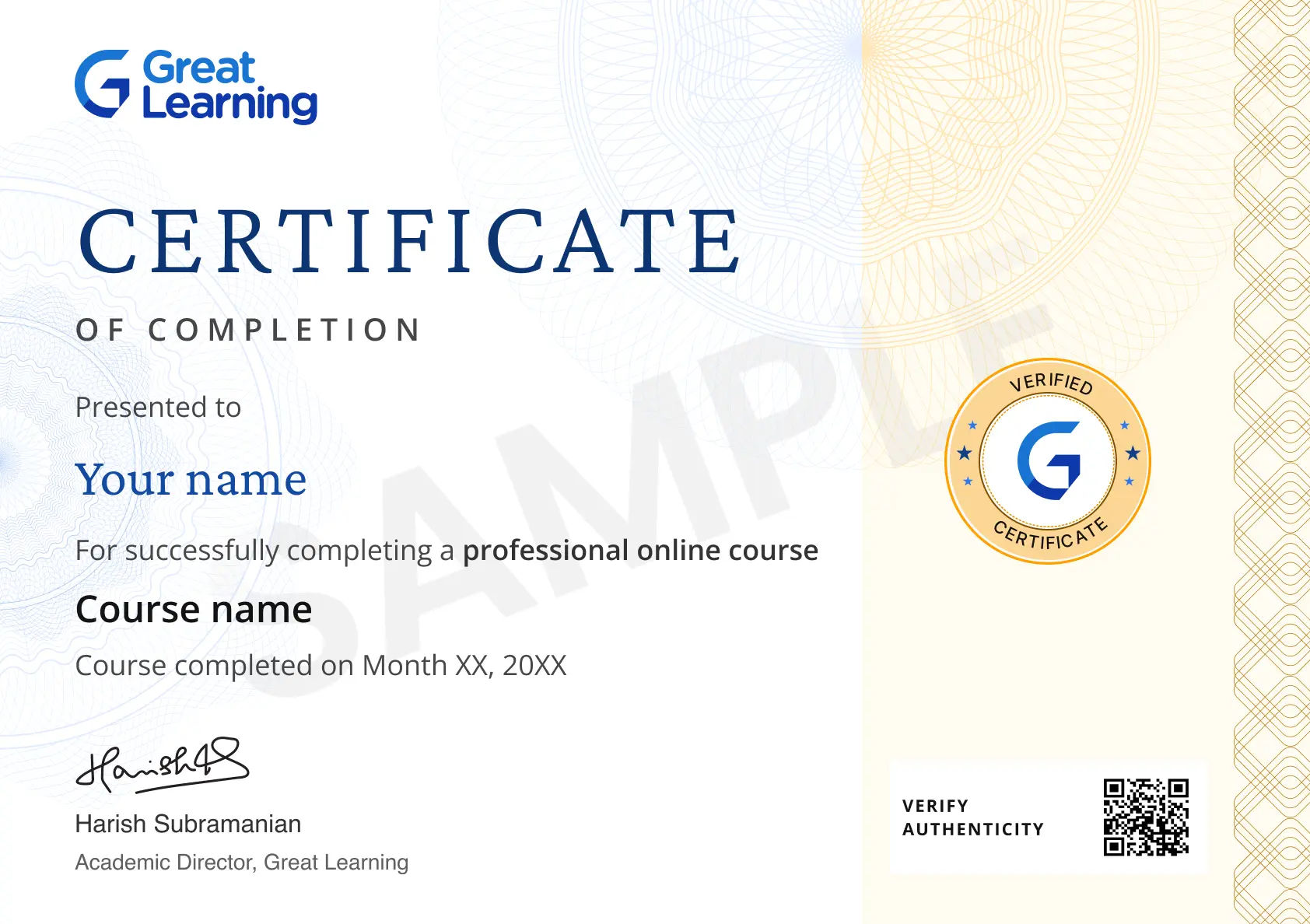
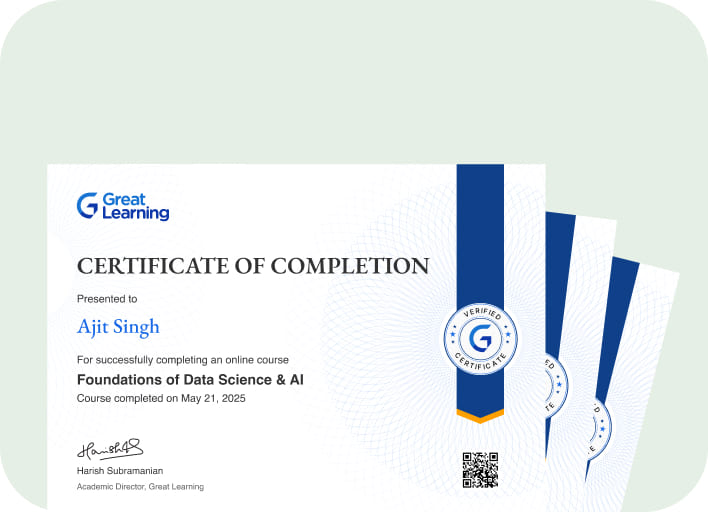
Will I receive a certificate upon completing this free course?
Is this course free?
What will I learn in this free personal finance course?
You’ll learn how to manage your finances effectively, including budgeting, investments, debt management, and understanding financial statements. Key topics such as savings, insurance, and financial goal-setting will be covered in the personal finance course.
Who should take this personal finance course online?
This online personal finance course is ideal for anyone looking to improve their financial literacy, from beginners to those looking to enhance their money management skills. It’s perfect for individuals who want to make informed decisions about their finances.
Will I have lifetime access to the free course?
Yes, once you enrol in the course, you will have lifetime access to any of the Great Learning Academy’s free courses. You can log in and learn whenever you want to.
Is this a beginner-friendly personal financial management course?
Yes, this personal financial management course is designed for beginners. It starts with foundational concepts such as budgeting and gradually progresses to more complex topics such as taxation and financial statement analysis.
How long does this free money management course take to complete?
The money management course free and includes about 4 hours of content. It’s self-paced, allowing you to complete the course at your own pace, making it flexible for learners.
What skills will I gain from this personal finance course?
You will gain the following skills:
Overview of Finance
Introduction to Personal Finance
Financial Statements
Time Value of Money
Budgeting and Financial Planning
Fundamentals of Savings and Investment Basics
Stock Market and Investing
Managing Personal Finance
Is there any limit on how many times I can take this free course?
No. There is no limit. Once you enrol in the Free Understanding Personal Finance Course, you have lifetime access to it. So, you can log in anytime and learn it for free online.
What topics are covered in this free personal finance course?
The free personal finance course covers the following topics:
Introduction to Personal Finance
Understanding the Financial Statement
Budgeting and Financial Planning
Fundamentals of Taxation.
Who is eligible to take this Free Understanding Personal Finance Course?
You do not need any prerequisites to learn the course, so enrol today and learn it for free online.
How does this personal financial management course help in real-life financial situations?
By understanding key financial concepts like budgeting, savings, investments, and taxation, you’ll be equipped to make better financial decisions, manage your debt, and plan for future financial goals, including major life events, through the personal financial management course.
What are the prerequisites required to learn this Free Understanding Personal Finance Course?
You do not need any prior knowledge to learn this Understanding Personal Finance Course.
What makes this the best personal finance course for online learning?
This personal finance course online stands out because it offers clear, concise lessons on key financial topics, perfect for anyone looking to gain a solid understanding of financial management. Whether you want to budget better, save, or invest, this course provides the foundation for money management.

Recommended Free Management courses
 FREE
FREE




Similar courses you might like





Related Management Courses

-
Sponsored

Great Lakes Institute of Management
Post Graduate Diploma in Management (Online)2 years · Online
Online MBA EquivalentKnow More
-
Walsh College
Doctor of Business Administration in General Management3 Years · Online
Top 10 best online DBA DegreeKnow More
-
Great Lakes Executive Learning
Executive PG Program in Management12 months · Online
Certificate from Great LakesKnow More






Relevant Career Paths >



Understanding Personal Finance
Understanding personal finance is crucial for achieving financial stability and securing a comfortable future. It involves managing your money wisely, making informed decisions, and planning for both short-term and long-term financial goals.
Here are some key principles to help you navigate the world of personal finance.
Budgeting: Start by creating a budget. This is a detailed plan that outlines your income, expenses, and savings goals. A well-structured budget can help you track where your money is going and identify areas where you can cut back or save more. It's the foundation of effective personal finance.
Emergency Fund: Building an emergency fund should be a top priority. This fund, typically three to six months' worth of living expenses, acts as a financial safety net in case of unexpected events like medical emergencies, job loss, or car repairs. Having an emergency fund can prevent you from going into debt when life throws you a curveball.
Debt Management: Understand the difference between good and bad debt. Good debt, like a mortgage or student loans, can be an investment in your future. Bad debt, such as high-interest credit card debt, should be paid off as quickly as possible. Develop a plan to reduce and eliminate bad debt while responsibly managing good debt.
Savings and Investments: Save and invest wisely to grow your wealth over time. Start with basic savings accounts, and as your financial knowledge grows, explore other options like retirement accounts (e.g., 401(k), IRA), stocks, bonds, and mutual funds. Diversifying your investments can help spread risk and increase your chances of earning a reasonable return.
Financial Goals: Set clear financial goals for the short, medium, and long term. Whether it's saving for a vacation, buying a home, paying off debt, or retiring comfortably, having specific goals will give you motivation and direction in managing your finances.
Live Within Your Means: Avoid the trap of overspending. Living beyond your means can lead to financial stress and debt. Stick to your budget, prioritize needs over wants, and be mindful of your spending habits.
Retirement Planning: Start saving for retirement early. Contributing to retirement accounts when you're young allows your investments to grow over time due to compounding interest. Consider working with a financial advisor to create a retirement plan tailored to your goals and risk tolerance.
Insurance: Protect your financial well-being with appropriate insurance coverage. This includes health insurance, life insurance, auto insurance, and home or renter's insurance. Insurance helps safeguard your assets and provides peace of mind in case of unexpected events.
Continuous Learning: Personal finance is a dynamic field, and the financial landscape can change quickly. Stay informed about financial trends, investment options, and tax regulations. Read books, attend seminars, and follow reputable financial websites to enhance your knowledge.
Seek Professional Advice: If you're unsure about your financial decisions or need help with complex matters like tax planning or estate planning, consider consulting a financial advisor or planner. They can provide tailored guidance based on your unique circumstances.
Avoid Get-Rich-Quick Schemes: Beware of schemes that promise quick and easy wealth. These are often scams that can lead to financial ruin. Stick to tried-and-true financial principles and be skeptical of anything that sounds too good to be true.
In conclusion, understanding personal finance is essential for achieving financial security and independence. It's a lifelong journey that requires discipline, planning, and continuous learning. By following these principles and staying committed to your financial goals, you can build a solid foundation for a prosperous future and gain control over your financial well-being. Remember that small, consistent steps in the right direction can lead to significant financial success over time.