1000+ Courses for Free

Free Engineering Courses





 FREE
FREE

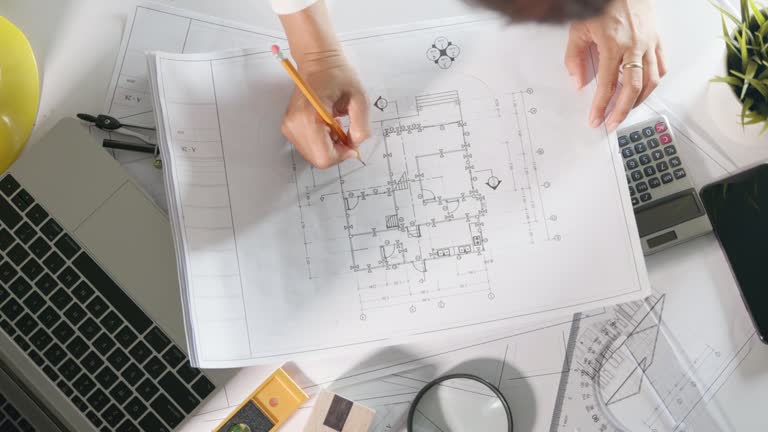




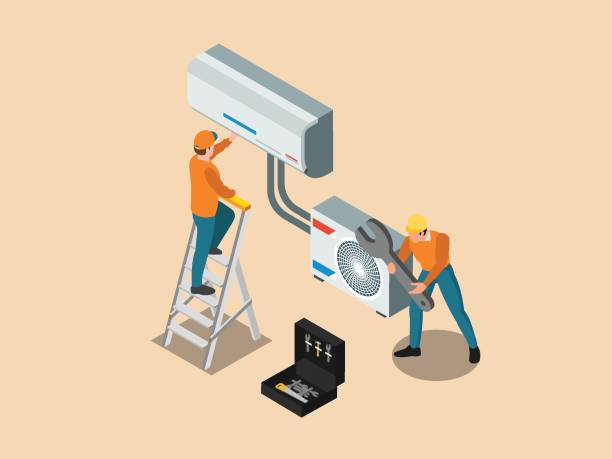
.jpeg "Course thumbnail image")
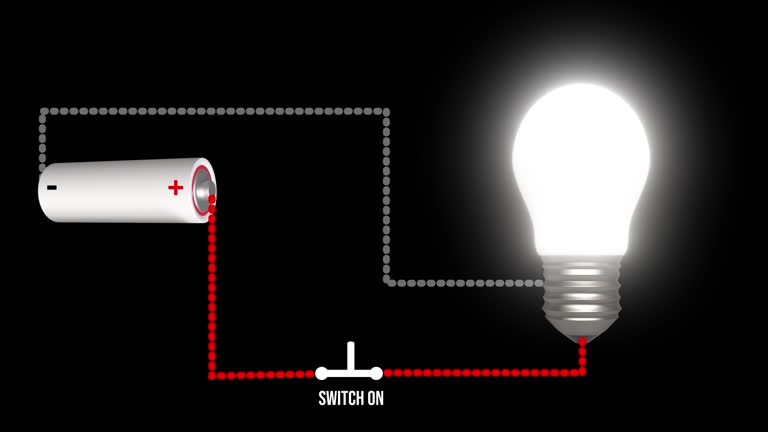

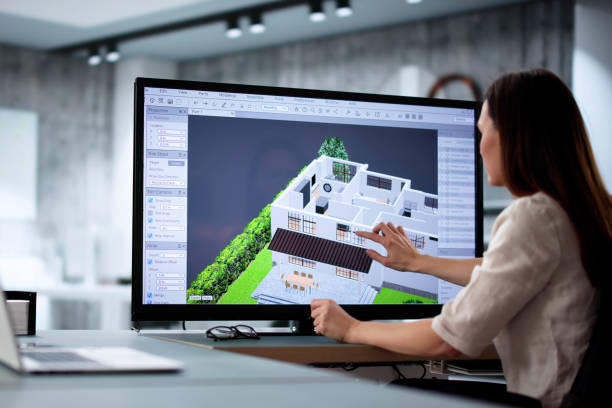


Learn Engineering Courses Online For Free
These Free Online Engineering Courses cover practical concepts in automotive systems, CAD design, biomedical technology, solar power, drones, HVAC, electronics, and VLSI. You learn automotive diagnostics, 2D and 3D modeling, circuit analysis, PCB layout, solar system sizing, drone operations, HVAC troubleshooting, and integrated circuit design. These skills help you understand engineering systems, identify technical issues, interpret designs, and apply core engineering principles to practical problems.
You also learn about electrical safety, system maintenance, component selection, design workflows, testing, and troubleshooting. By completing these free engineering courses for beginners, you build a broader technical foundation for mechanical, electrical, electronics, energy, automotive, and design applications, while strengthening skills useful for further engineering study and entry-level technical roles.
Skills You'll Gain in These Best Free Engineering Courses Online
Engineering Fundamentals: Engineering mechanics, structural analysis, fluid dynamics, thermodynamics, and systems engineering.
CAD & Design: AutoCAD drafting, 2D technical drawings, 3D modeling, design documentation, and engineering drawing standards.
Electrical & Electronics: Voltage, current, resistance, circuit analysis, electronic components, and electrical safety.
VLSI & PCB Design: Integrated circuit design, VLSI fundamentals, schematic design, component placement, PCB routing, and design-for-manufacturing.
Mechanical & Automotive Systems: HVAC systems, heating and cooling principles, vehicle systems, engine fundamentals, diagnostics, maintenance, and energy efficiency.
Biomedical Engineering: Medical device technology, biomedical instrumentation, and healthcare technology applications.
Programming & Engineering Tools: Python, MATLAB, and Finite Element Analysis (FEA).
Project & Emerging Technologies: Construction planning, scheduling, resource management, project delivery, machine learning, generative AI prompt engineering, and project management.

Get started with these courses
Frequently Asked Questions
What will I learn in free engineering courses?
These courses cover automotive mechanics, CAD, biomedical engineering, solar energy, drones, HVAC, electrical circuits, PCB design, VLSI, and 3D modeling. You build practical knowledge of engineering systems, design methods, diagnostics, maintenance, and technical problem-solving.
Are these free courses for beginners?
Yes. These courses cover foundational concepts such as electricity, circuit analysis, CAD drafting, automotive systems, and engineering design. They give beginners a starting point before moving into more specialized technical subjects.
What do free engineering classes online cover?
You learn topics such as Ohm's Law, circuit analysis, AutoCAD drafting, 3D modeling, vehicle diagnostics, HVAC maintenance, PCB layout, and integrated circuit design. These skills help you understand technical systems and apply engineering concepts to practical tasks.
What will I gain from free these courses ?
You build skills in technical drawing, system troubleshooting, circuit analysis, diagnostics, component selection, maintenance, and engineering design. These skills help you understand how engineering systems work and support further technical learning.
Do these free engineering courses with certificates cover practical engineering skills?
Yes. The courses include practical topics such as automotive diagnostics, multimeter use, PCB testing, HVAC troubleshooting, CAD modeling, solar system sizing, and drone flight procedures. These topics help you connect engineering concepts with real technical applications.
What topics are included in free engineering training courses?
These free courses cover electrical and electronics fundamentals, VLSI, PCB design, CAD, HVAC, automotive mechanics, biomedical engineering, solar energy, and drone technology. You also learn related safety, maintenance, testing, and design concepts.
Which cover electronics and circuit design?
Basic Electricity and Circuit Fundamentals covers circuit analysis, power calculations, AC/DC concepts, multimeter use, troubleshooting, and electrical safety. PCB Design and Layout covers schematic capture, component placement, routing, signal integrity, fabrication outputs, and PCB testing. VLSI Design & Integrated Circuits covers CMOS, sequential circuits, verification, timing, and low-power design.
Are these engineering courses for adults who want to build technical knowledge?
Yes. The courses suit learners who want to strengthen technical fundamentals or explore a new engineering area. Most listed courses take about 2.5 hours, making them suitable for focused, self-paced learning alongside other responsibilities.
Media spotlight and awards
-

Wharton Online Kickstarts the First Cohort for Its 12-Week Advanced Digital Marketing and Growth Strategies Program in Collaboration With Great Learning
Read Article
-
3 ways women can reach the C-suite even though research shows the odds are against them
Read Article
-
Helping High School Students Develop Real-Life Tech Skills
Read Article
-
How this leader is morphing education to meet the needs of today’s economy
Read Article
-
How Upskilling Can Help You Advance in Your Career
Read Article
-
OPINION: Companies will be more likely to retain top talent by investing in employees’ professional growth and development
Read Article
-
Learning opportunities will cultivate a talented, motivated workforce
Read Article
-
Great Learning Collaborates with Wharton Online to Expand Access to Premier Business Courses
Read Article
-
The Great Resignation & The Future Of Work: Mohan Lakhamraju Of Great Learning On How Employers and Employees Are Reworking Work Together
Read Article
-
Hispanic Heritage Month: Great Learning celebrates the inspiring stories of resilience and courage of its Hispanic American Learners
Read Article