Free Academic Writing and Research Course

Academic Writing and Research Skills

Beginner level 3.0 learning hrs

Learn academic writing and research skills by turning a question into a thesis you can support with scholarly evidence. Sign up for this free academic writing course to see how that thesis can guide your next essay revision.
Key Highlights

Get free course content

Master in-demand skills & tools

Test your skills with quizzes

About this course

Academic writing and research can feel like one big task when your first paper is due, so this free academic writing course divides the work into decisions you can make before and after drafting. A question gives you a reason to search the scholarly literature, while a thesis gives your paper a position to defend. When you find several sources on the same issue, compare what their evidence supports before deciding what belongs in your literature review. That process helps you see where your argument needs more research.


If you already have a draft, use the academic essay writing lessons to check whether each paragraph contributes to your thesis. A topic sentence gives readers the main point of a paragraph, and a transition shows how it follows from the previous one. The course then covers citation choices and how to revise for clarity before proofreading. You'll leave with a way to tell whether a draft needs a stronger argument, a clearer sentence, or a final grammar check.

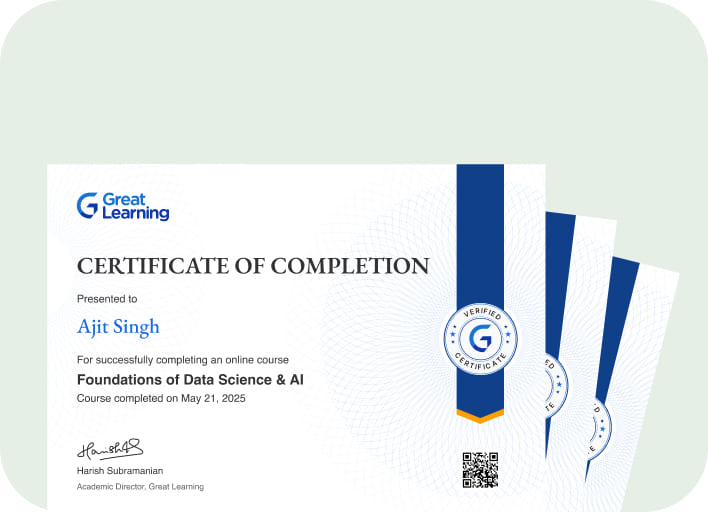
Stand out with an industry-recognized certificate

10,000+ certificates claimed, get yours today!

Get noticed by top recruiters

Share on professional channels

Globally recognised

Land your dream job

Certificate Image

Course outline

Understanding Academic Writing and Its Purpose

In this module, you'll learn what academic writing is, how it differs from everyday and creative writing, identifying audience and purpose, academic tone, disciplinary conventions, academic integrity, and the writing process.

Building Strong Arguments and Thesis Statements

In this module, you'll learn to craft clear thesis statements, build claims and supporting evidence, apply logical reasoning, construct counterarguments, and refine arguments through drafting.

Researching and Engaging with Scholarly Sources

In this module, you'll learn to define research questions, locate academic databases, evaluate source credibility, distinguish primary and secondary sources, synthesize multiple sources, and build a literature review.

Structuring Academic Essays and Papers

In this module, you'll learn the standard essay structure, writing strong introductions, topic sentences, body paragraph development, transitions, and conclusions that reinforce a thesis.

Citing Sources and Avoiding Plagiarism

In this module, you'll learn APA, MLA, and Chicago citation styles, in-text citations and reference lists, quoting versus paraphrasing, citation management tools, and academic integrity policies.

Refining Style, Clarity, and Academic Tone

In this module, you'll learn to write precise academic sentences, build academic vocabulary, use hedging language, maintain an objective tone, apply active voice, and eliminate wordiness.

Revising, Editing, and Proofreading Your Work

In this module, you'll learn the difference between revising and editing, self-editing strategies, peer feedback, editing for clarity, proofreading for grammar, and finalizing polished drafts.

Mastering Advanced Academic Genres and Publishing

In this module, you'll learn to write abstracts, structure research papers, prepare conference papers and presentations, navigate peer review, submit work for publication, and use AI tools responsibly.

Get access to the complete curriculum once you enroll in the course

Academic Writing and Research Skills

3.0 Hours

Beginner

Get free course content

Master in-demand skills & tools

Test your skills with quizzes

Trusted by 10 Million+ Learners globally

Frequently Asked Questions

What kind of writing does the free academic writing course focus on?

The focus is writing for an academic audience. You examine how purpose, tone, and disciplinary conventions shape an essay or paper, with attention to how writers use evidence to make their reasoning clear.

How do I turn a research question into a thesis?

A research question identifies what you want to investigate. A thesis states the position your paper will defend, giving you a way to decide which evidence belongs and where more research is needed.

Will I learn how to check whether a scholarly source is credible?

Source evaluation is part of the research module. It pairs finding material in academic databases with assessing credibility and distinguishing primary sources from secondary accounts of the evidence.

How can I use several sources in one literature review?

Synthesis means explaining how sources relate to one another around the same question. The literature review lessons help you move beyond summarizing each reading in isolation and show where findings differ.

Where does a counterargument fit in an academic essay?

A counterargument introduces a plausible objection to your claim. The argument module shows how considering that objection during drafting can help you clarify what your evidence supports and refine your position.

Which citation styles does the course introduce?

APA, MLA, and Chicago are introduced through in-text citations and reference lists. The citation module also covers when to quote or paraphrase and where citation management tools fit in the writing process.

Can I follow the essay lessons if I've never written a research paper?

The course starts with audience, purpose, and academic tone before moving into complete papers. New writers can work out what an introduction, body paragraph, and conclusion each contribute to an essay.

What does hedging do in academic writing?

Hedging helps you express how certain a claim is. The style module puts it alongside precise language and objective tone, so you can qualify a conclusion when the available evidence supports only a limited claim.

Should I revise an argument before proofreading the paper?

Revision addresses issues such as unclear reasoning and how ideas are organized. Proofreading comes later and catches grammar errors in the version you intend to submit, after larger decisions are settled.

What can I study after writing a standard academic essay?

The advanced module introduces research abstracts and conference papers. It also covers peer review and submission, giving you a view of how scholarly writing changes when it moves toward publication.

Subscribe to Academy Pro+ & get exclusive features

$29/month

No credit card required

Learn from 40+ Pro courses

Access 500+ certificates for free

700+ Practice exercises & guided projects

Prep with AI mock interviews & resume builder

Enroll For Free