Free Child Abuse and Neglect Course

Child Abuse and Neglect Training

Beginner level 3.0 learning hrs

A free child abuse and neglect course introduces recognition without jumping to conclusions. Start learning how observations, respectful communication, and reporting responsibilities fit a child-centered response to concerns.

Key Highlights

Get free course content

Master in-demand skills & tools

Test your skills with quizzes

About this course

Recognizing a concern without assuming its cause is the focus of this free child abuse and neglect course. You study different forms of maltreatment and the reasons a warning sign needs careful attention rather than an immediate label. Child abuse recognition training also introduces childhood adversity and trauma-informed care, helping you understand why listening and respectful communication matter when a child may need support.


The reporting lessons connect documentation with the roles of child welfare professionals. CAPTA and differences in US state reporting requirements are included in the curriculum, so you consider the need to check guidance for your role and location rather than assume one process applies everywhere. You also examine prevention and organizational policies. This introductory child safeguarding course develops awareness; it does not qualify you to investigate a case or replace required professional training.

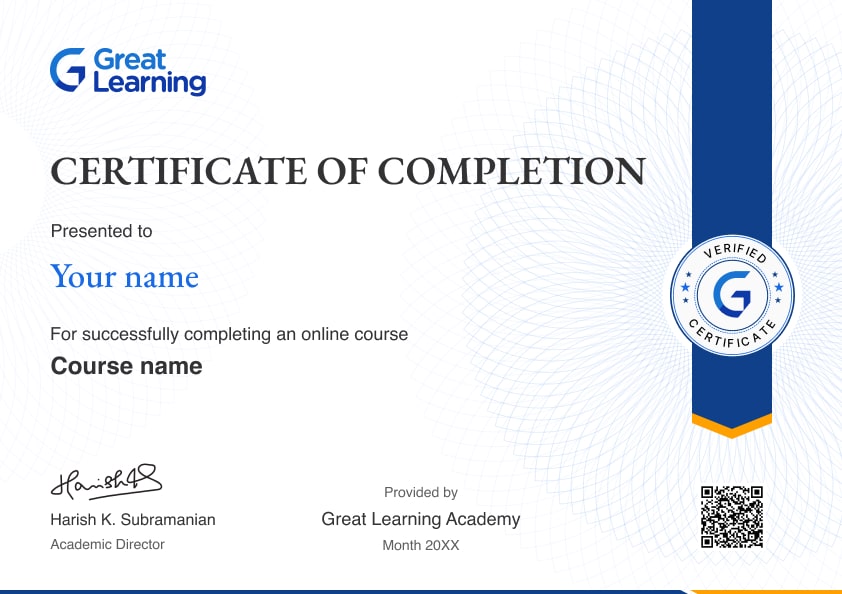
Stand out with an industry-recognized certificate

10,000+ certificates claimed, get yours today!

Get noticed by top recruiters

Share on professional channels

Globally recognised

Land your dream job

Certificate Image

Child Abuse and Neglect Training

3.0 Hours

Beginner

Get free course content

Master in-demand skills & tools

Test your skills with quizzes

Trusted by 10 Million+ Learners globally

Frequently Asked Questions

How does the free child abuse and neglect course approach warning signs?

You study physical and behavioral indicators alongside the need for careful interpretation. The lessons support awareness, rather than suggest that a single observation proves abuse or equips you to make a diagnosis.

What forms of neglect are included in the recognition lessons?

The curriculum discusses physical, medical, educational, and emotional neglect. You learn to distinguish these learning topics while recognizing that assessing a particular concern requires professional processes.

Why does the course include trauma-informed care?

Trauma lessons connect childhood adversity with respectful communication and support. You study why a response should consider a child's experience without treating awareness training as clinical assessment.

How does child safeguarding training address a disclosure?

The source introduces disclosure dynamics and nonleading communication. You learn why listening and documentation matter, while specialist interviewing and investigation remain separate professional responsibilities.

What will I study about reporting responsibilities in the US?

Reporting lessons introduce CAPTA and variation among state requirements. You learn why your role and location matter and why current official guidance must be checked rather than relying on a course as legal advice.

How are observations distinguished from assumptions in documentation lessons?

You study recording information clearly for the appropriate reporting process. The focus is communicating what was observed or disclosed without adding an unsupported explanation or presenting a suspicion as a finding.

What does the course explain about Child Protective Services reports?

The curriculum introduces report preparation, hotline processes, and the roles of professionals. You study the workflow as an overview, rather than assume that a short course supplies local reporting requirement.

Are online exploitation and risks in different care settings included?

The source covers online exploitation and concerns in foster care, institutions, and disability settings. These topics broaden awareness without assuming that every child in a particular setting faces the same risk.

How does prevention differ from recognizing an existing concern?

Prevention lessons examine protective factors, organizational policies, and coordinated support. You consider ways to reduce risk over time alongside the separate responsibility to respond to an existing concern.

Who can study this child abuse recognition training without prior experience?

The source begins with foundational concepts and does not require previous child welfare training. You can use the lessons for introductory awareness while checking any training requirements attached to your role.

Subscribe to Academy Pro+ & get exclusive features

$29/month

No credit card required

Learn from 40+ Pro courses

Access 500+ certificates for free

700+ Practice exercises & guided projects

Prep with AI mock interviews & resume builder

Enroll For Free