Free Dropshipping Course

Dropshipping Business Management

Beginner level 3.75 learning hrs

A free dropshipping course helps you test a business idea before opening a store. Join to compare suppliers, estimate costs, and plan customer support so you can judge a product beyond its selling price.
Key Highlights

Get free course content

Master in-demand skills & tools

Test your skills with quizzes

About this course

This free dropshipping course starts with a question that comes before store design: whether a product and supplier make business sense. You study niche research, delivery times, and sample orders alongside margin calculations. That combination helps you see how a low purchase price can still lead to weak economics when advertising, refunds, and service demands are considered.


The dropshipping course for beginners then links Shopify storefront setup with fulfillment and customer communication. Lessons introduce US seller topics such as sales tax and advertising rules without presenting a complete legal or tax checklist. You learn to examine customer acquisition costs and operational indicators before considering expansion. Ecommerce operations lessons also address shipping delays and chargebacks, giving you a more realistic view of the work involved without promising sales, passive income, or a successful launch.

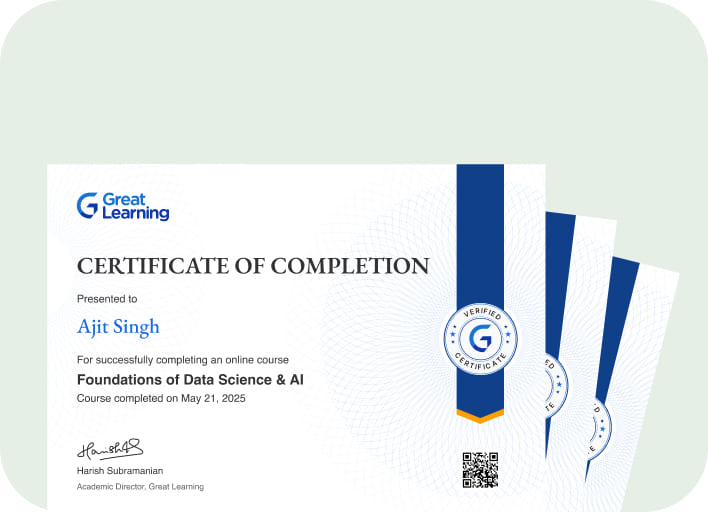
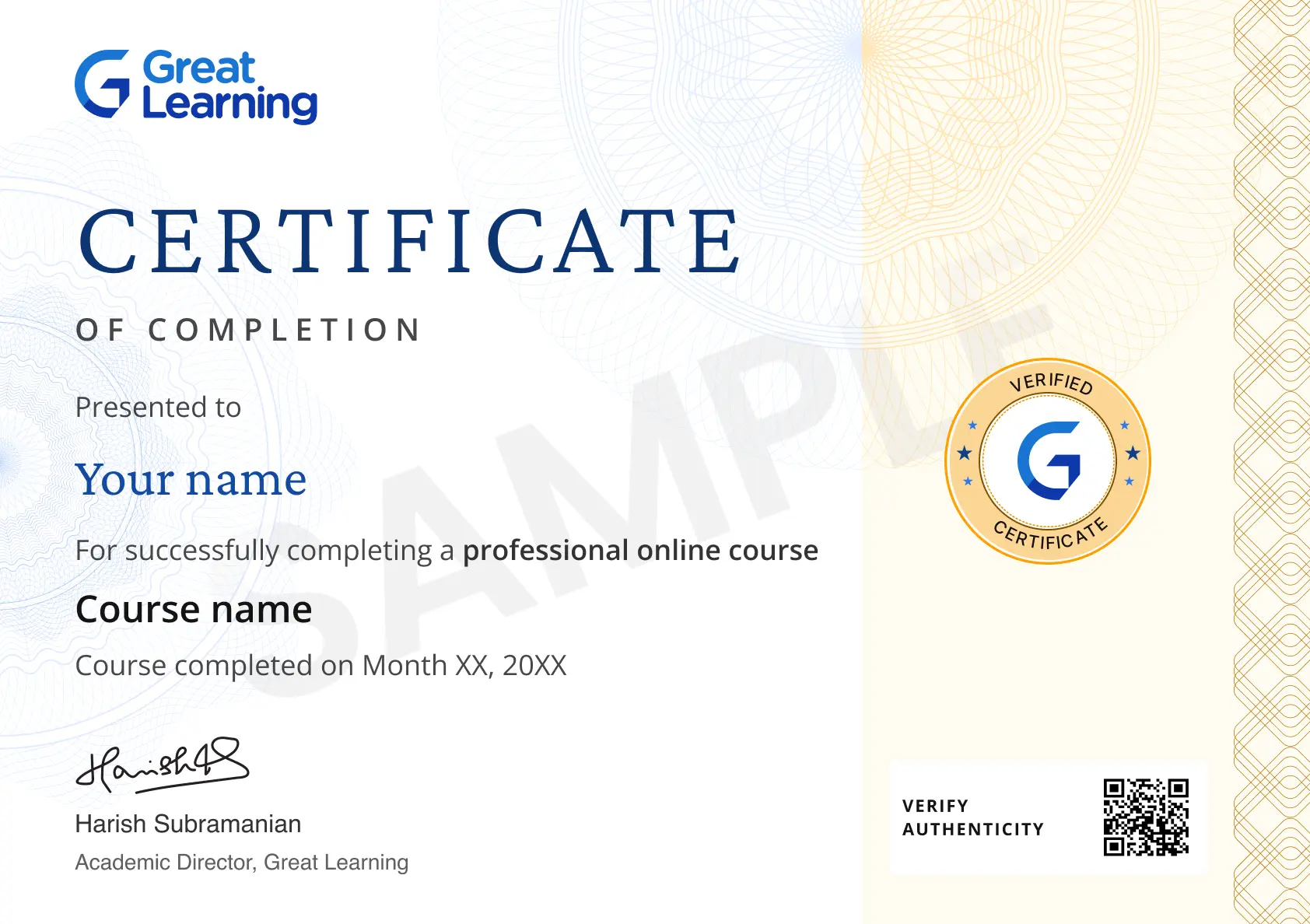
Stand out with an industry-recognized certificate

10,000+ certificates claimed, get yours today!

Get noticed by top recruiters

Share on professional channels

Globally recognised

Land your dream job

Certificate Image

Dropshipping Business Management

3.75 Hours

Beginner

Get free course content

Master in-demand skills & tools

Test your skills with quizzes

Trusted by 10 Million+ Learners globally

Frequently Asked Questions

How does the free dropshipping course help evaluate a niche?

Product research lessons connect demand signals with margins and testing. You learn to question whether an idea is workable instead of assuming that a popular product automatically supports a profitable business.

What supplier checks are included in the course?

Supplier lessons include delivery comparisons, sample orders, and scam awareness. You consider reliability and customer expectations alongside product cost, rather than choosing solely from a supplier's listing.

Does Shopify store setup training include a subscription?

Shopify setup is a curriculum topic, but the source does not confirm an included account, subscription, or paid app. Check platform costs separately before assuming the free course provides a working store.

How will I learn to estimate dropshipping margins?

The course connects product costs with pricing and business expenses. You study why advertising and fulfillment issues affect the margin, instead of treating the difference between two prices as guaranteed profit.

Which advertising channels are covered?

The outline includes organic social media, influencer activity, Meta ads, and Google Shopping. You learn their place in customer acquisition without a promise of campaign credits, results, or access to paid tools.

What US seller responsibilities appear in the lessons?

The source introduces sales tax, advertising rules, returns, and trademarks. You study these as areas needing reliable advice and current checks, not as a complete compliance determination for your business.

How does the course address delayed deliveries?

Daily operations lessons connect order handling with support messages and refunds. You learn why clear customer communication and supplier follow-up matter when the actual delivery differs from the advertised expectation.

What is customer acquisition cost in ecommerce training?

Performance lessons introduce the cost of gaining a customer alongside other store indicators. You learn why sales volume alone is insufficient for judging whether an advertising approach can be sustained.

Are refunds and chargebacks part of dropshipping operations?

The curriculum covers both as operational concerns alongside support and payment issues. You learn to recognize their effect on records and costs without assuming a course can prevent every dispute.

When does the course introduce scaling a store?
Expansion follows lessons on supplier reliability, daily operations, and performance measures. You examine what needs to work consistently before increasing activity rather than treating rapid growth as the first objective.

Subscribe to Academy Pro+ & get exclusive features

$29/month

No credit card required

Learn from 40+ Pro courses

Access 500+ certificates for free

700+ Practice exercises & guided projects

Prep with AI mock interviews & resume builder

Enroll For Free