Free Aerospace Engineering Course

Introduction to Aerospace Engineering

Beginner level 3.75 learning hrs

Learn why aircraft fly in this free aerospace engineering course. Join to connect forces, propulsion, and structures so you can understand how design choices affect flight before moving into advanced engineering study.
Key Highlights

Get free course content

Master in-demand skills & tools

Test your skills with quizzes

About this course

This free aerospace engineering course connects the forces acting on an aircraft with the systems that keep it flying. You study lift and drag before comparing engine types and the loads carried by aircraft structures. Those links help you understand why changing a wing, material, or power source affects more than one part of a design. The focus is an introductory explanation, not advanced engineering calculations.


Aerodynamics lessons lead into stability, control surfaces, and flight instruments, then extend to spacecraft and basic orbital mechanics. You learn how propulsion, power, and thermal protection contribute to a space mission. Testing and systems engineering topics show why a promising concept still needs evidence before use. These foundations support further aerospace study and help you recognize the different disciplines involved; they do not qualify you to design, maintain, or approve an aircraft for flight.

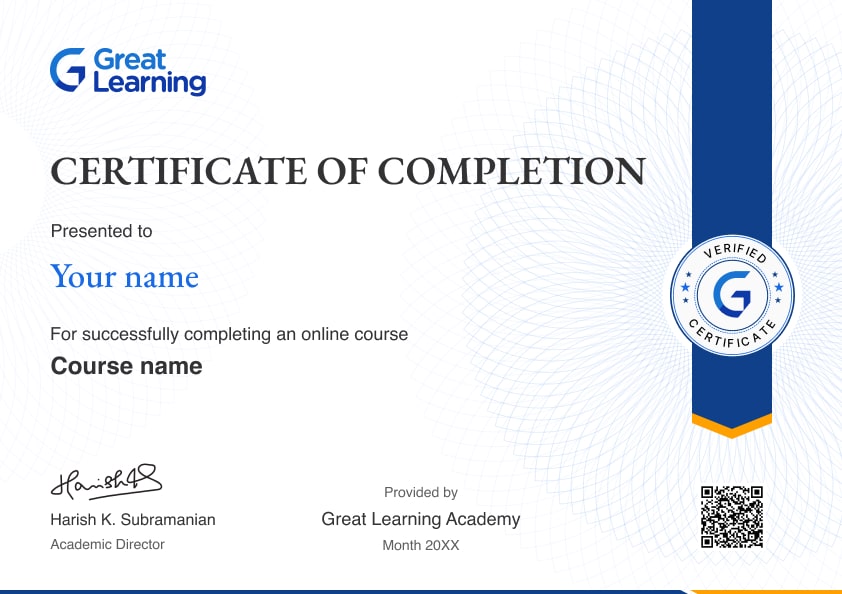
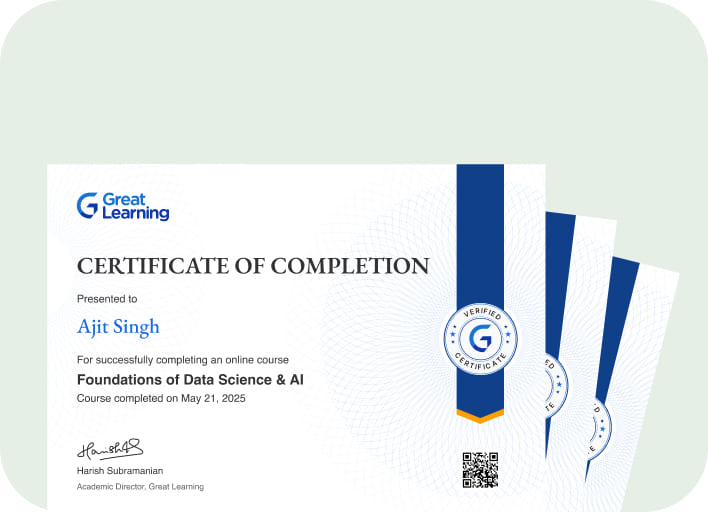
Stand out with an industry-recognized certificate

10,000+ certificates claimed, get yours today!

Get noticed by top recruiters

Share on professional channels

Globally recognised

Land your dream job

Certificate Image

Introduction to Aerospace Engineering

3.75 Hours

Beginner

Get free course content

Master in-demand skills & tools

Test your skills with quizzes

Trusted by 10 Million+ Learners globally

Frequently Asked Questions

How does the free aerospace engineering course connect aircraft systems?

You study flight forces, engines, structures, and controls as related parts of a design. The aim is to understand why a change to one component can affect the performance and demands placed on the others.

What will I learn about lift and drag?

Aerodynamics lessons introduce airflow, airfoils, and boundary-layer behavior. You connect these ideas with flight forces rather than assume that one simple explanation covers every wing shape or operating condition.

Which engine types are introduced in the propulsion lessons?

The outline compares turbofan, turbojet, and rocket propulsion, with emerging power concepts. You learn the purpose and basic differences of these systems without treating the course as engine-maintenance training.

How do aerospace materials lessons explain structural choices?

The course connects tension, compression, and load paths with metals and composites. You learn why weight is only one consideration and why fatigue and testing matter when evaluating a structural choice.

Does beginner aerospace learning include flight stability?

Flight mechanics topics introduce stability, control surfaces, and performance limits. You study how an aircraft responds to forces without assuming introductory lessons provide pilot instruction or flight competence.

What are avionics in the aerospace course?

The curriculum introduces flight instruments, positioning, sensors, and flight-control technology. You learn how information supports aircraft control rather than attempt installation or modification of real equipment.

How are spacecraft topics different from aircraft topics?

Spacecraft lessons introduce orbits, launch trajectories, power, and thermal protection. You compare these mission needs with atmospheric flight, recognizing that aircraft concepts alone do not explain operation in space.

Will I learn orbital mechanics without prior space study?

The source introduces orbit types and Kepler's laws at a foundation level. You gain vocabulary and a conceptual starting point for further study, rather than a promise of advanced trajectory-design ability.

Why are testing and risk management part of the course?

Systems engineering lessons connect integration with testing and risk. You learn why a design needs evidence and review, not just a plausible concept, before it can be considered suitable for an intended use.

Can this course prepare me for advanced engineering learning?

The course gives you a map of the field and its main ideas. You can use that overview to identify further mathematics, mechanics, or electronics study; it does not replace an engineering degree or professional training.

Subscribe to Academy Pro+ & get exclusive features

$29/month

No credit card required

Learn from 40+ Pro courses

Access 500+ certificates for free

700+ Practice exercises & guided projects

Prep with AI mock interviews & resume builder

Enroll For Free