Free Garden Design Course

Garden Design and Plant Care Essentials

Beginner level 3.0 learning hrs 7 Learners

This free garden design course starts with the conditions plants will grow in, rather than a shopping list. Join to read sunlight and drainage, plan a usable layout, and connect plant choices with care through the seasons.

Key Highlights

Get free course content

Master in-demand skills & tools

Test your skills with quizzes

About this course

This free garden design course starts with your site's conditions and the way you want to use the space. You learn to observe sun, shade, and drainage before sketching paths and planting areas. Garden layout lessons connect scale and focal points with practical movement, helping you judge whether a plan suits the site instead of choosing plants only because they look attractive at a nursery.


Plant care lessons then link soil preparation and spacing with watering and routine upkeep. You consider hardiness, plant growth, and flowering times when choosing what belongs together, then study how pruning and seasonal tasks support the plan over time. The garden maintenance course also introduces pest observation and integrated management rather than treating every damaged leaf as a reason to apply a product. You gain a beginner process for planning and reviewing a garden, with decisions still guided by the plants and local growing conditions.

Stand out with an industry-recognized certificate

10,000+ certificates claimed, get yours today!

Get noticed by top recruiters

Share on professional channels

Globally recognised

Land your dream job

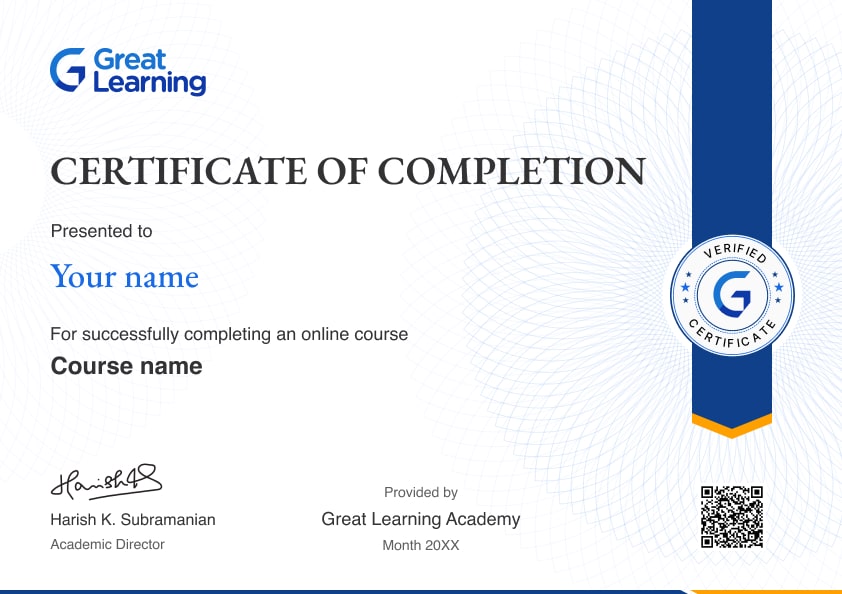
Certificate Image

Course outline

Understanding Garden Design Fundamentals

In this module, you'll learn the elements and principles of garden design, color theory, focal points, scale and unity, garden styles like cottage and Mediterranean, site reading, and sketching a garden plan.

Planning Your Site and Layout

In this module, you'll learn site analysis, sun and shade mapping, soil and drainage assessment, microclimates, garden zoning, pathway planning, hardscape materials, and budgeting for a garden project.

Selecting Plants for Your Garden

In this module, you'll learn plant hardiness zones, choosing annuals and perennials, selecting trees and shrubs, native plant use, companion planting, bloom succession planning, and sourcing healthy nursery plants.

Building Healthy Soil and Planting Beds

In this module, you'll learn soil composition and testing, soil amendment with compost, raised bed construction, planting depth and spacing, transplanting, mulching techniques, and container soil mixes.

Establishing Watering and Irrigation Systems

In this module, you'll learn plant water requirements, drip irrigation design, sprinkler zoning, seasonal watering schedules, drainage improvement, rainwater harvesting, and irrigation equipment maintenance.

Cultivating Routine Garden Maintenance

In this module, you'll learn seasonal maintenance planning, pruning shrubs and hedges, deadheading perennials, lawn mowing and edging, fertilizing schedules, weeding strategies, and dividing established plants.

Protecting Plants from Pests and Disease

In this module, you'll learn integrated pest management, identifying common pests and diseases, cultural and organic pest controls, companion planting for pest deterrence, attracting beneficial insects, and managing fungal diseases.

Sustaining Your Garden Across the Seasons

In this module, you'll learn spring and fall garden tasks, winterizing beds and tools, frost protection, succession planting, sustainable water-wise practices, garden journaling, and long-term maintenance planning.

Get access to the complete curriculum once you enroll in the course

Garden Design and Plant Care Essentials

3.0 Hours

Beginner

7 learners enrolled so far

Get free course content

Master in-demand skills & tools

Test your skills with quizzes

Trusted by 10 Million+ Learners globally

Frequently Asked Questions

What should I observe before drawing a garden layout?

The course begins with site reading, sunlight, shade, drainage, and how the space will be used. These observations help you plan planting areas and paths before deciding which plants or materials to buy.

How does the free garden design course connect appearance and function?

Design lessons introduce scale, unity, and focal points alongside layout. You consider how the garden looks and how someone moves through it, rather than treat a pleasing sketch as proof that the space will work well.

What will I learn about selecting plants for a garden?

You compare growth habits, hardiness, flowering times, and suitable planting companions. The lessons help you evaluate fit with a site instead of assuming that plants displayed at a nursery need the same conditions.

How are soil lessons useful before planting?

The outline connects soil testing and composition with amendments, beds, and planting depth. You learn why a soil condition should guide preparation rather than add materials without knowing what the site needs.

Does the course cover container planting as well as beds?

Container soil mixes and raised beds appear in the soil and planting module. You compare these settings with in-ground planting while recognizing that drainage, space, and plant needs still shape the decisions.

What watering methods are introduced in plant care lessons?

The curriculum compares drip irrigation, sprinklers, and seasonal schedules. You learn to connect watering with plant requirements and site conditions rather than assume one fixed schedule suits every part of a garden.

How do maintenance lessons approach pruning and deadheading?

You study these as different tasks within routine plant care. The course connects upkeep with plant growth and seasonal planning instead of treating every shrub or perennial as needing the same action at the same time.

What is integrated pest management in the garden course?

Pest lessons connect observation with cultural controls and other management options. You learn why identifying a problem comes before choosing a response, rather than reacting to every insect in the garden.

Will I learn to plan for more than one season?

The final module connects seasonal tasks, frost preparation, succession planting, and garden records. You consider how a layout and care plan change over time instead of judging the garden only when it flowers.

Do I need gardening experience or professional design software?

The source expects no previous gardening or design experience and introduces sketching a plan. It does not confirm a required software package, so a specialist application should not be assumed necessary for the lessons.

Subscribe to Academy Pro+ & get exclusive features

$29/month

No credit card required

Learn from 40+ Pro courses

Access 500+ certificates for free

700+ Practice exercises & guided projects

Prep with AI mock interviews & resume builder

Enroll For Free