
Free HACCP course
HACCP Principles and Practices
 4.69
Beginner level
0.75 learning hr
4.69
Beginner level
0.75 learning hr
Learn the essentials of HACCP to improve food safety in restaurants and food handling settings. Join our free HACCP course to understand food hazards, apply HACCP principles, follow global standards, and support safer operations.



What you'll learn


About this course
This free HACCP training course will introduce you to Hazard Analysis and Critical Control Points and their significance in food safety worldwide. You will also learn how HACCP assists in identifying and controlling biological, chemical, and physical hazards, as well as the process used to develop an effective HACCP plan.
Other critical standards for the course, such as ISO 22000 and GFSI, are also discussed, along with practical guidance on applying HACCP in restaurants and catering services. You will also learn about career opportunities, core skill sets, and credentials that can help you advance in the field of food safety management.
Course outline
Understanding Food Safety and Need for HACCP
In this module, you will learn the fundamentals of HACCP and its global relevance. You will also explore multiple types of food hazards HACCP focuses on, including biological, chemical, and physical.
The Seven Principles of HACCP
This module will teach you to analyze hazards and risks associated, and explore all areas in which hazards should be effectively mitigated by implementing monitoring, corrective actions, and record-keeping.
Implementing HACCP in Restaurants and Catering Services
In this module, discover how to develop an HACCP plan as per every unique requirement and integrate pre-requisite plans before implementing the HACCP system.
Adherence to International Standards and Compliance
Here, you will explore different regulatory compliance requirements and what will happen if the compliances are not adhered to. You will also be exposed to different food safety global standards like ISO 2000 and GFSI.
Career Opportunities and Skill Development in Food Safety
In this module, you will understand the different careere roles in this field of food safety managemnet and essential skills required to pursue one of the carrer roles. Also the certifications and professional developement oppotunities will be discussed.
Get access to the complete curriculum once you enroll in the course
This course is ideal for
- Beginners with no background in food safety.
- Students and job seekers entering the food industry.
- Food professionals handling safety compliance.
- Learners who need certified proof of HACCP skills.
 4.69
4.69













Frequently Asked Questions
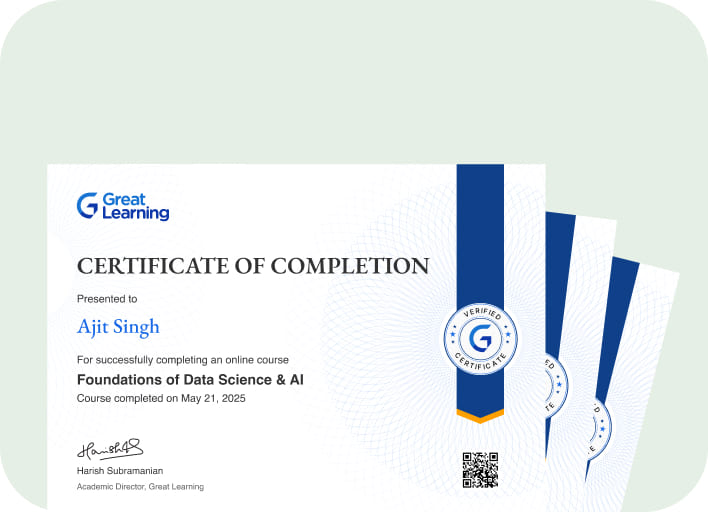
Will I receive a certificate upon completing this free course?
Is this course free?
Who should take this free HACCP course?
The course is suitable for anyone keen to learn about food safety and HACCP in preventing food hazards. It is also primarily applicable to people in the food production, restaurants, catering, and quality assurance.
What will I learn in this free HACCP online course?
You’ll learn the fundamentals of HACCP, different types of food hazards, and the seven principles of HACCP. The course also covers plan development, implementation in food businesses, compliance requirements, global standards, and career insights.
Do I need any prior knowledge?
You do not require any prior experience. The course begins with the fundamentals of food safety and slowly develops your knowledge on the HACCP procedures and HACCP implementation.
Why is HACCP important for food businesses?
HACCP helps organizations identify risks, prevent contamination, and ensure safe food handling throughout all production phases. It increases compliance with regulations, consumer protection, and operational efficiency.
What modules are included in this free HACCP training course?
The course includes:
Understanding Food Safety and the Need for HACCP
The Seven Principles of HACCP
Implementing HACCP in Restaurants and Catering Services
Adherence to International Standards and Compliance
Career Opportunities and Skill Development in Food Safety
What skills will I gain after completing this course?
You’ll gain skills in;
- Hazard identification
- Risk analysis
- HACCP plan creation
- Global food safety standards
- Food safety career development.
How does this course help in real-world scenarios?
Once you complete the free HACCP course, you will be in a position to implement HACCP concepts to food processes, develop robust control policies, adhere to compliance standards as well, and promote healthy food management practices within any organization.

Recommended Free Healthcare courses
 FREE
FREE