Free Phonics Teaching Course
Phonics Teaching Strategies
See how letter sounds, blending, segmenting, decoding, and guided reading help children become confident readers. Start learning with this free phonics course to plan clear lessons and respond to common reading difficulties.




About this course
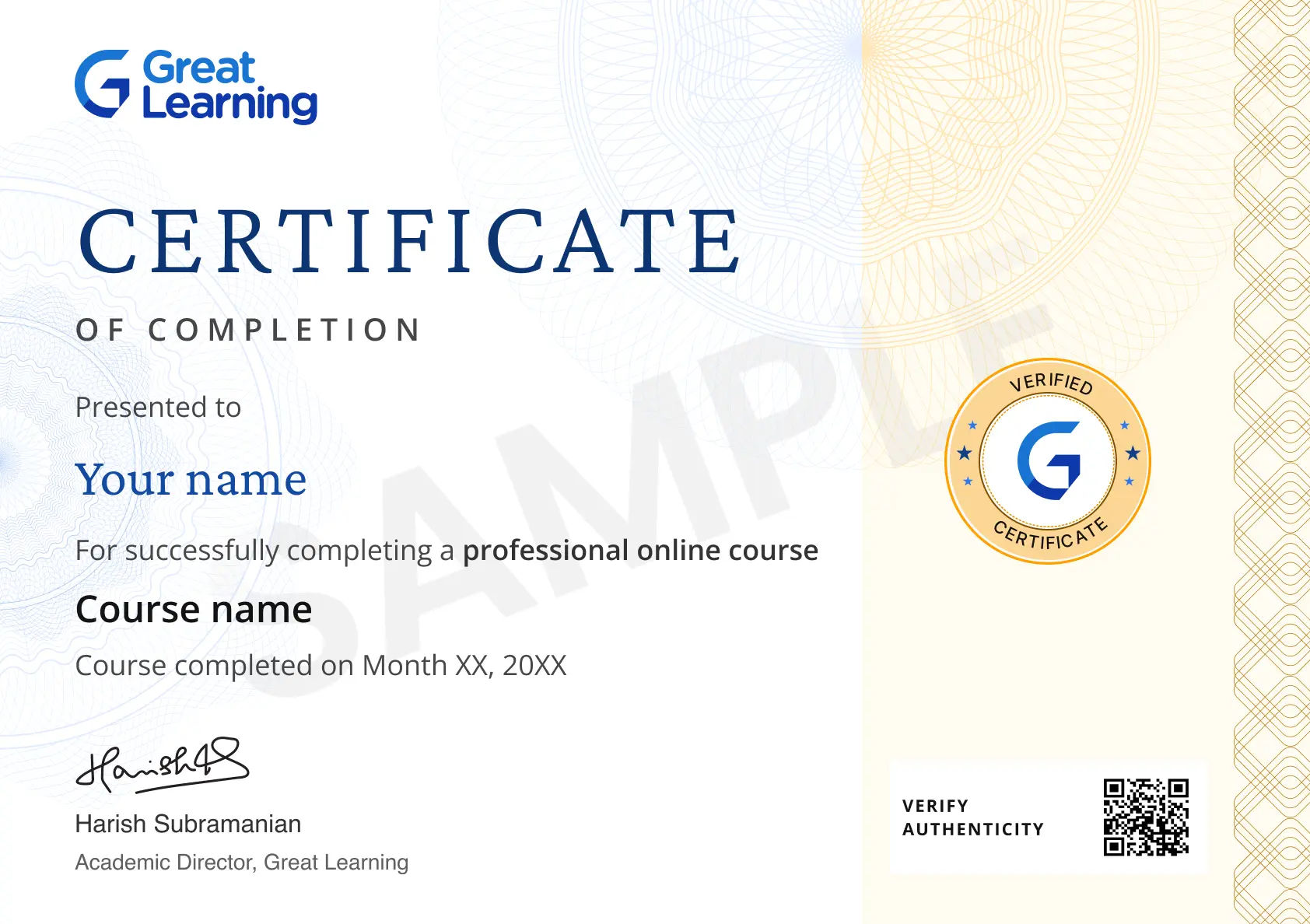
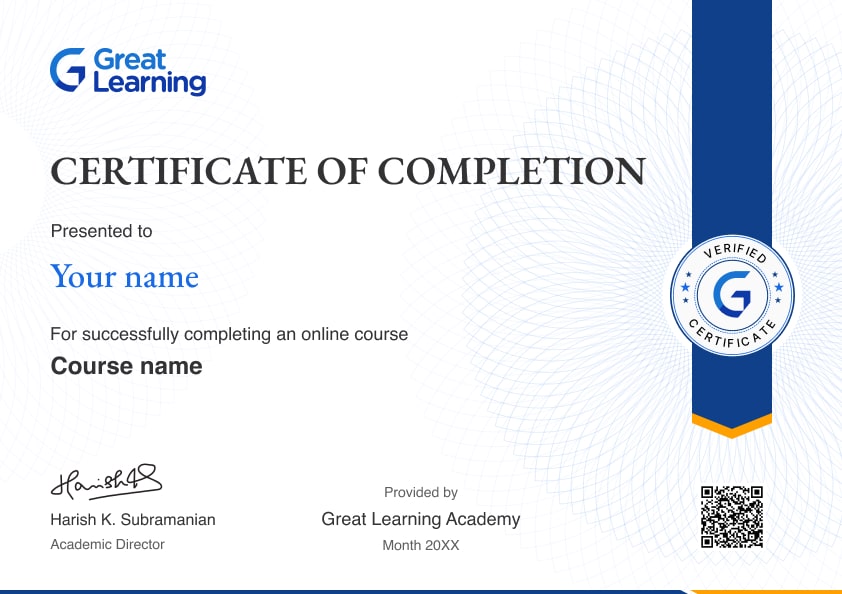
This free phonics course explains how spoken sounds connect with letters and how that connection supports early reading. You will learn letter-sound relationships, blending, segmenting, decoding, word building, and simple ways to check a learner's progress. The lessons show how phonics teaching strategies can move from direct explanation to guided practice, reading activities, and useful feedback without turning every lesson into memorization.
The course is designed for new teachers, tutors, parents, teaching assistants, and anyone supporting beginning readers. You will see how to sequence phonics skills, choose suitable words, respond to common reading errors, and adjust practice when a learner needs more time. By the end, you can plan clearer phonics lessons and understand how decoding, fluency, vocabulary, and comprehension support one another while recognizing that learners may need different levels of specialist support.
Course outline
Why Phonics Matters: Grounding Instruction in the Science of Reading
In this module, you'll learn the Simple View of Reading, the Reading Rope, how structured literacy differs from balanced literacy, and what a scope and sequence is.
Building the Oral Language Foundation for Reading
In this module, you'll learn the difference between phonological and phonemic awareness, routines for rhyming, blending, segmenting and manipulating sounds, Elkonin boxes, and quick ways to assess progress.
Teaching the Alphabetic Code Explicitly
In this module, you'll learn to teach consonants, short and long vowels, digraphs, blends, vowel teams and r-controlled vowels in a clear sequence, and handle b/d style confusions.
From Sounds to Words: Teaching Decoding Explicitly
In this module, you'll learn to teach CVC blending step by step, choose decodable texts, correct errors during oral reading, use word chains, and build decoding speed through practice.
Unlocking Multisyllabic Words Through Syllable Types
In this module, you'll learn the six syllable types, from closed and open to consonant-le, the main syllable division rules, and how to flex pronunciations in long words.
Building Word Meaning Through Morphological Analysis
In this module, you'll learn how prefixes, suffixes and roots build meaning, the suffix spelling changes, inflectional versus derivational morphemes, and word sums for decoding and vocabulary.
Building Fluent Readers and Measuring Progress
In this module, you'll learn what fluency really includes, how to teach irregular words with heart word mapping, repeated and partner reading routines, and how to read assessment data.
Putting It Into Practice: Planning and Differentiating Phonics Instruction
In this module, you'll learn to structure a daily phonics block, differentiate for struggling readers, English learners and students with dyslexia, use multisensory techniques, and evaluate phonics programs.
Get access to the complete curriculum once you enroll in the course




Frequently Asked Questions
What will I learn in this free phonics course?
Is the Phonics Teaching Strategies Course beginner-friendly?
How does the course teach letter-sound relationships?
Will I learn blending and segmenting activities?
Does this phonics course cover decoding unfamiliar words?
How can I plan a beginner phonics lesson?
Will the course help me notice common reading difficulties?
Who can use these phonics teaching strategies?
Does phonics replace vocabulary and comprehension teaching?
What can I study after phonics teaching basics?

Recommended Free Education & Teaching Skills courses
 FREE
FREE