
Free Supervisory Skills Course
Supervisory Skills and Team Management
A free supervisory skills course can help you approach delegation and employee conversations with clearer expectations. Enroll to learn how feedback, workload planning, and conflict handling support everyday team management.
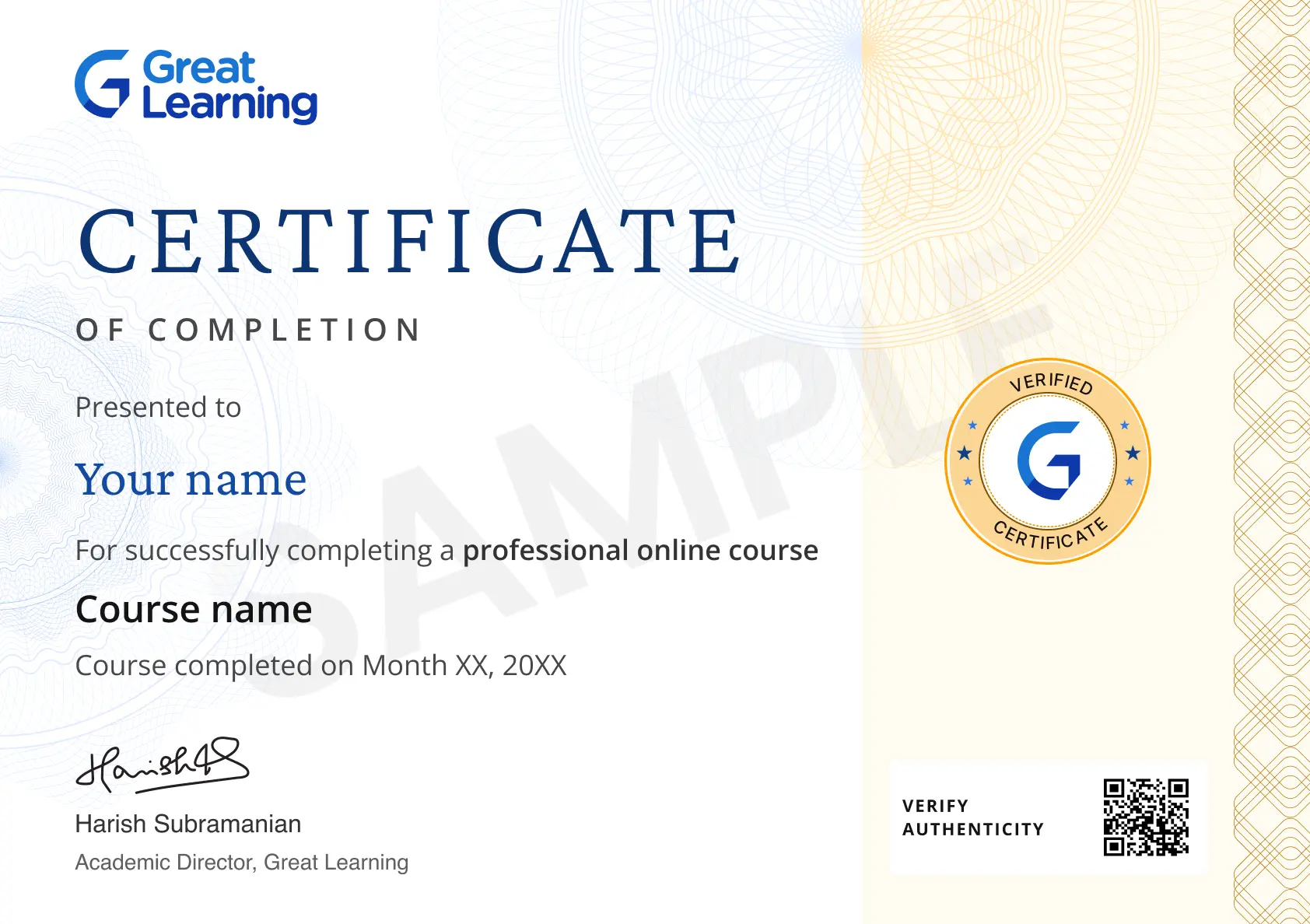


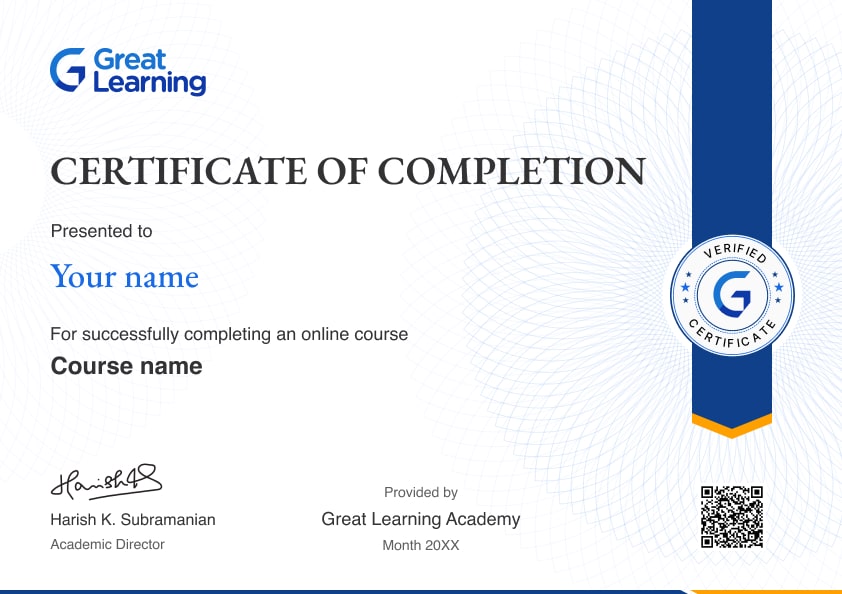


About this course
The free supervisory skills course introduces the responsibilities you take on when coordinating other people's work. You learn how clear expectations and thoughtful delegation support a team's day-to-day tasks. Workplace communication training connects those responsibilities with feedback, coaching, and conversations about performance, so you can separate an employee's behavior from assumptions about their intentions.
Team management lessons also address motivation, group dynamics, and difficult interactions. You consider how to respond to conflict, document concerns, and recognize situations that need help from HR or a manager. In US workplaces, these skills help you communicate concerns clearly and recognize when to involve HR, while following your employer's own policies. The course builds introductory management understanding, not legal advice or a substitute for employer training.
Course outline
Stepping Into Supervision: Role, Responsibilities, and Mindset
Review the tasks, workplace setting, team obligations, key national organizations such as AVMA and USDA, scope of work, qualities needed, and animal care career paths.
Communicating Effectively with Your Team
Study the principles of low-stress handling, body language of dogs and cats, restraint methods, handling of small mammals, safe use of leashes and muzzles, and common handling errors.
Delegating Work and Managing Team Workload
Study basic animal anatomy, indicators of wellness and ill health, vital signs, nutrition of dogs and cats, reading food labels, special diets, body condition scoring, enrichment, vaccination, and parasite control.
Setting Clear Expectations and Tracking Performance
Study how to clean kennels, dispose of waste, wear PPE, zoonosis, cross-contamination prevention, OSHA safety rules, proper handling of chemicals, isolation, hygiene, and reactions to bites and exposures.
Giving Feedback and Leading Performance Conversations
Study daily animal care practices for dogs, cats, small mammals, birds, and reptiles including grooming, housing requirements, enrichment, breed and life stage needs, and safe introduction of animals.
Resolving Conflict and Mediating Employee Disputes
Study the operation of a facility on a day-to-day basis, inventory, documentation, scheduling, communication with clients, problem solving, intake and discharge procedures, adoption process, teamwork, confidentiality, and computer programs.
Motivating Teams and Managing Group Dynamics
Learn to recognize animal emergencies, use pet first aid kits, manage wounds, understand CPR basics, respond to heatstroke and poisoning, transport animals safely, prepare for disasters, refer cases to veterinarians
Navigating Difficult Employee Situations
Understand animal welfare ethics, professional conduct, liability basics, DEI, compassion fatigue management, education and certification paths, CV writing, interview skills, specialization options, and first 90-day career planning.
Get access to the complete curriculum once you enroll in the course




Frequently Asked Questions
How does the course explain the change from coworker to supervisor?
What can I learn about delegating work?
Does supervisor training cover employee feedback?
How are team disagreements addressed in the lessons?
What does the free supervisory skills course cover about motivation?
Will I learn how to communicate performance expectations?
Where does HR fit into beginner team management training?
How does the course approach difficult employee interactions?
Can these lessons help a new supervisor in a US workplace?
How are coaching and workload planning different in this course?


Recommended Free Management courses
-
FREE

-
FREE
-
FREE
-
FREE
2.5 hrs
-
FREE
-
FREE
-
FREE
2.5 hrs
-
FREE
 FREE



.jpg "Course thumbnail image")





Related Management Courses

-
NUS Business School
Accelerated Management Programme9 months · Mentored
Know More