Free Marketing Analytics Course
AI for Marketing Analytics Essentials
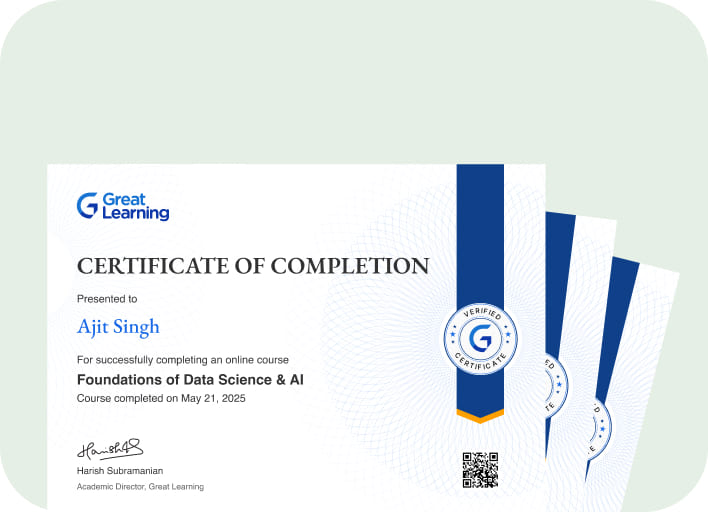
Use this free Marketing Analytics course to study audience intent, channels, and campaign decisions with practical context, then connect those ideas with marketing work and future learning.



What you'll learn


About this course
Free marketing analytics learning should help analytics, data science, and business learners understand why the topic matters before moving into deeper practice. The course introduces data preparation, model thinking, visual analysis, and evaluation in a way that shows how the pieces work together. Instead of treating marketing analytics as a list of terms, it explains what to look for, how to reason through common tasks, and why the subject appears in real projects, teams, or business decisions.
The course is a good fit if you want to turn data, models, or analysis outputs into clearer decisions. You can use it to prepare for assignments, interviews, workplace conversations, or a first hands-on project depending on your goal. After finishing, you should be able to explain the core idea of marketing analytics, recognize when it is relevant, and choose a sensible next step such as practice exercises, deeper tools, related frameworks, or a more advanced course.
Course outline
Foundations of AI in Marketing Analytics
In this module, you will be learning about what marketing entails, the shortcomings of marketing prior to AI, and how AI drives marketing today.
The Data Behind the Insights
In this module, you will be learning about the source of marketing data, differences between types of data, and the metrics that would determine the success of your marketing efforts.
AI for Understanding and Predicting Customers
In this module, you will learn how to segment your customers intelligently using AI and how to predict their future behaviors such as churn, lifetime value, and purchase intentions.
AI for Content, Campaigns, and Personalization
In this module, you will learn how to customize user experience, how to leverage generative AI in creating and optimizing marketing campaigns, and how to validate your efforts.
Case Studies: AI Marketing Analytics in Action
In this module, you will learn how AI can help to improve customer retention, virtual try-ons, and personalized promotions in companies such as Netflix, Sephora, and Starbucks.
Putting AI Marketing Analytics Into Practice
In this module, you will learn how to align business objectives with AI tools, what to look out for when selecting an AI solution, and how to begin with a pilot project.
Where AI Marketing Analytics Is Heading
In this module, you will learn about the autonomous campaign management by AI agents, brand discovery revolution, and skills for remaining relevant as a marketer.
Get access to the complete curriculum once you enroll in the course
This course is ideal for
- Beginners wanting to learn AI-driven marketing analytics.
- Students and job seekers exploring marketing analytics roles.
- Working professionals who report on marketing campaign data.
- Job seekers adding an AI marketing analytics certificate.




What our learners enjoyed the most
Curriculum
100% of our learners found our curriculum helpful
Instructor
100% of learners liked instructor's teaching style
Skill & tools
100% of learners found all the desired skills & tools
Topic depth
100% of learners liked the in-depth coverage of topics
Easy to Follow
100% of learners found the course easy to follow
Quizzes & assignments
100% of learners found the assignments helpful
Frequently Asked Questions
Will I receive a certificate upon completing this free course?
Is this course free?
What will I learn in this AI for Marketing Analytics Essentials course?
You’ll learn how AI improves marketing decisions, customer insights, campaign planning, and performance measurement. The course covers AI marketing fundamentals, marketing data sources, data types, marketing metrics, customer segmentation, predictive analytics, generative AI for campaigns, personalization, A/B testing, attribution, AI tool selection, and ethical AI use.
What will I learn in this free Marketing Analytics course?
Is this AI marketing analytics course free suitable for beginners?
Yes, this course is designed for beginners and does not require a coding background. It explains how AI works in marketing, why traditional marketing often struggles with scale and speed, and how marketers can use AI tools to make better customer and campaign decisions.
Who should start with this Marketing Analytics course?
What topics are covered in this AI marketing analytics course?
The course covers the foundations of AI in marketing analytics, marketing data and metrics, customer segmentation, churn prediction, lifetime value prediction, purchase intent prediction, campaign personalization, generative AI for content and campaigns, A/B testing, attribution, AI marketing case studies, pilot project planning, and the future of AI agents in marketing.
How does Marketing Analytics help in practical learning?
What skills will I gain from this Fee AI marketing Analytics Course?
You’ll gain skills in AI marketing fundamentals, data literacy, marketing metrics analysis, customer segmentation, predictive analytics, personalization at scale, generative AI campaign creation, campaign optimization, A/B testing, attribution, AI tool evaluation, pilot planning, and ethical use of AI in marketing.
What Marketing Analytics basics should I know before advanced study?
How does artificial intelligence in marketing improve campaign performance?
Artificial intelligence in marketing helps teams analyze customer data faster, identify meaningful segments, predict customer behavior, personalize messages, create campaign content, test ideas, and measure results more accurately. These capabilities help marketers reduce guesswork and make more data-informed campaign decisions.
Can beginners learn Marketing Analytics online through this course?
What makes this Marketing Analytics training useful for projects?
Does this course teach AI customer analytics?
Yes, the course teaches how AI supports customer analytics through segmentation and prediction. You’ll learn how AI can help identify customer groups, predict churn, estimate lifetime value, understand purchase intent, and personalize customer experiences based on data.
How should I practice after finishing Marketing Analytics?
What questions does this free Marketing Analytics course answer for learners?
Will I learn how to use Generative AI for marketing campaigns?
Yes, the course explains how generative AI can support content creation, campaign optimization, and personalization. You’ll learn how AI can help marketers create campaign ideas, customize user experiences, improve messaging, and validate marketing efforts through testing and measurement.
How does this AI in marketing analytics course help with personalization?
The course teaches how AI can customize user experiences by using customer data, behavior patterns, and predictive insights. You’ll learn how personalization helps marketers deliver more relevant content, promotions, and experiences at scale.
What marketing data and metrics are covered in this course?
You’ll learn where marketing data comes from, how different types of data support insights, and which metrics help measure marketing success. The course also connects data and metrics to campaign performance, customer behavior, A/B testing, attribution, and marketing decision-making.
Can I Learn AI for marketing analytics online without coding?
Yes, this course is built for learners who want to understand AI for marketing analytics online without needing coding skills. It focuses on concepts, use cases, tools, and practical decision-making so marketers can apply AI thinking to real campaign and customer challenges.
Does this free online AI marketing Analytics course explain A/B testing and attribution?
Yes, the course covers how marketers can validate campaign efforts through A/B testing and attribution. These topics help you understand what is working, compare campaign variations, measure impact, and make better decisions based on performance data.
Will I learn how to choose AI tools for marketing?
Yes, the course explains how to align business objectives with AI tools and what to consider when selecting an AI solution. You’ll also learn how to start with a pilot project so teams can test value before scaling AI adoption.
What case studies are included in the course?
The course includes AI marketing analytics examples from Netflix, Sephora, and Starbucks. These case studies show how AI supports customer retention, virtual try-ons, personalized recommendations, and targeted promotions in real business settings.
What future AI marketing trends does the course cover?
The course covers where AI marketing analytics is heading, including autonomous campaign management, AI agents, changes in brand discovery, and the skills marketers need to remain relevant as AI becomes more common in marketing workflows.
What outcome should I expect after completing this course?
By the end, you’ll be able to explain how AI supports marketing analytics, identify useful customer and campaign use cases, understand key marketing metrics, apply AI thinking to segmentation and personalization, evaluate AI tools, and plan AI-enabled marketing projects with more confidence.
Recommended Free Management courses
-
FREE

-
FREE
-
FREE
-
FREE
-
FREE
-
FREE
2 hrs
-
FREE
-
FREE
 FREE
FREE









Related Management Courses

-
NUS Business School
Accelerated Management Programme9 months · Mentored
Know More