Free Auditing Course
Fundamentals of Auditing
 4.52
Beginner level
2.25 learning hrs
4.52
Beginner level
2.25 learning hrs
Auditing course for free helps you move from basic terms to financial terms, calculations, and decision signals, with enough context to see where the skill fits in real tasks.
Instructor:
E Balachandra Murthy


What you'll learn


About this course
This free auditing course is built for management students, professionals, and aspiring leaders who want the topic explained with context and usable examples. The course introduces decision context, process steps, stakeholder needs, and planning in a way that shows how the pieces work together. Instead of treating auditing as a list of terms, it explains what to look for, how to reason through common tasks, and why the subject appears in real projects, teams, or business decisions.
The course is a good fit if you want to make better structured choices in workplace, study, or business situations. You can use it to prepare for assignments, interviews, workplace conversations, or a first hands-on project depending on your goal. After finishing, you should be able to explain the core idea of auditing, recognize when it is relevant, and choose a sensible next step such as practice exercises, deeper tools, related frameworks, or a more advanced course.
Course outline
Fundamentals of Auditing
In this module, you will learn the objectives, and ethics of auditing, covering the importance of independence, professional skepticism, and the auditor's role in financial statement verification.
Basic Accounting Concepts
In this module, you will learn the accounting fundamentals, including accrual vs. cash basis, double-entry bookkeeping, and the principles of consistency, materiality, and prudence in financial reporting.
Audit Standards and Regulations
In this module, you will learn the regulatory framework governing audits, including the International Standards on Auditing (ISAs), legal requirements, and the responsibilities of auditors and oversight bodies.
Audit Process
In this module, you will learning approach to conducting audits, from planning and risk assessment to substantive testing and audit documentation, ensuring accuracy and compliance with audit standards.
Audit Reports
In this module you, will learn thecommunicating audit findings through comprehensive reports, covering audit opinions, management representations, and the impact on stakeholders' decision-making processes.
Get access to the complete curriculum once you enroll in the course
This course is ideal for
- Beginners wanting to learn auditing fundamentals.
- Students and job seekers exploring audit careers.
- Working professionals who review financial statements.
- Job seekers who want an Auditing certificate for their resume.
 4.52
4.52
Level up with advanced skills & become job ready with Pro+
Subscribe to Pro+ today to build skills with 50+ Pro courses and prep for jobs with advanced AI tools.
 PRO
PRO


Practice exercises
Guided Projects
AI Resume Builder
AI mock interviews













Our course instructor

E Balachandra Murthy
Research Analyst
Management Expert


Frequently Asked Questions
Will I receive a certificate upon completing this free course?
Is this course free?
What is the Fundamentals of Auditing course?
This course provides an introduction to the essential principles and practices of auditing. It covers the basics of auditing, its importance, and its role in various industries.
What is the Fundamentals of Auditing course?
This course provides an introduction to the essential principles and practices of auditing. It covers the basics of auditing, its importance, and its role in various industries.
How can Auditing improve interview preparation?
Is this course really free, or are there hidden charges?
Yes, this course is entirely free. There are no hidden charges or fees associated with it. We believe in making quality education accessible to all.
Auditing: what should I practice first?
Who can enroll in this course?
The Fundamentals of Auditing course is open to anyone interested in learning about auditing, regardless of their educational background or professional experience.
Is Auditing better for beginners or experienced learners?
What will I learn in this course?
In this course, you will learn the fundamental concepts of auditing, types of audits, audit procedures, audit reports, and the role of auditors in ensuring financial transparency.
What comes after learning Auditing online?
How does Auditing connect with real work?
Will I receive a certificate upon completion of the course?
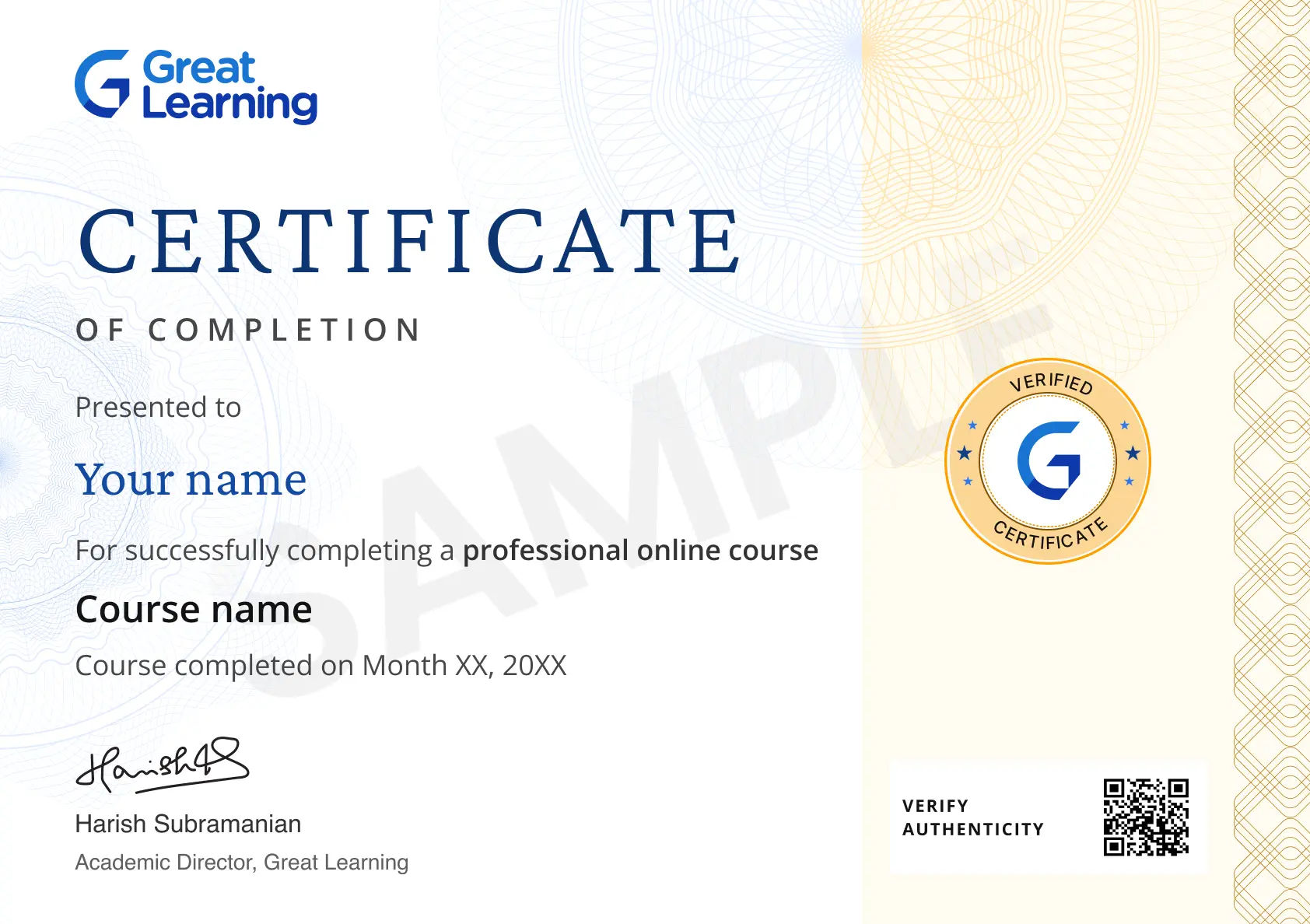
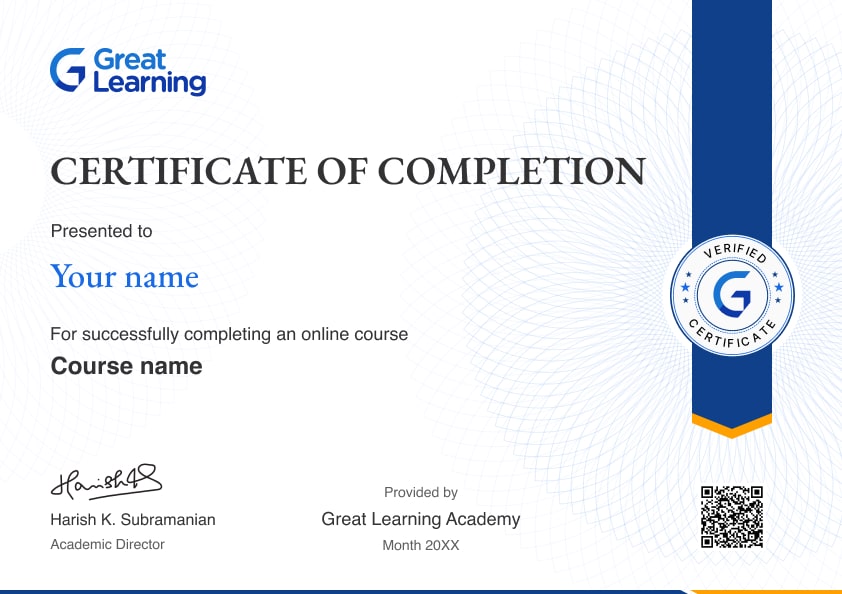
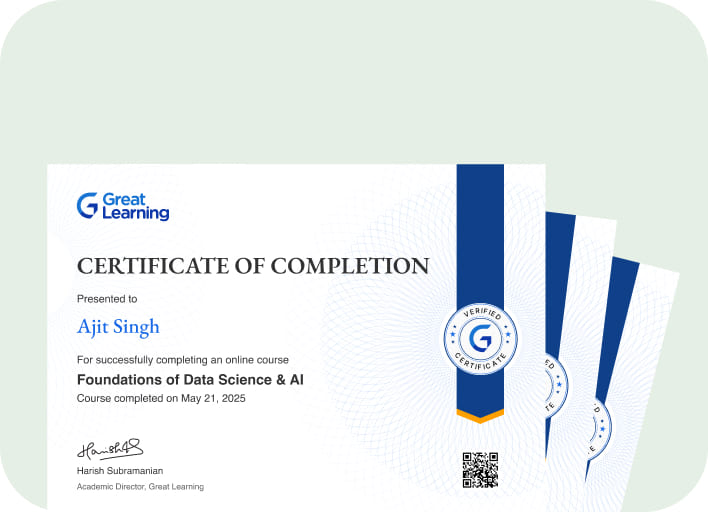
Yes, once you successfully complete the course, you will receive a certificate of completion, which can be a valuable addition to your resume or professional profile.
Are there any prerequisites for this course?
There are no specific prerequisites for this course. It is designed for beginners and those looking to gain a foundational understanding of auditing.
Auditing: what comparisons make the subject clearer?
How do I enroll in the Fundamentals of Auditing course?
To enroll in the course, simply click the "Enroll Now" button on our course page
In Auditing, what should beginners understand first?
Auditing: how does free course learning support practice?

Recommended Free Management courses
 FREE
FREE




Similar courses you might like

.jpg "Course thumbnail image")
.jpg "Course thumbnail image")

Relevant Career Paths >



Fundamentals of Auditing
Auditing, as a discipline, forms the bedrock of financial accountability and transparency in the business world. It serves as a safeguard against financial misstatements, fraud, and mismanagement, playing a pivotal role in ensuring the reliability of financial information. The following fundamental principles and concepts are essential in understanding the core of auditing:
1. Independence
Independence is the cornerstone of auditing. Auditors must maintain an unbiased and impartial stance when assessing an entity's financial statements. This requires them to remain free from any external influences or conflicts of interest that could compromise their objectivity. This principle ensures that the audit process remains credible and trustworthy.
2. Due Professional Care
Auditors are expected to exercise due professional care in their work. This involves diligently applying their expertise and skills to scrutinize financial statements thoroughly. It requires adhering to established audit procedures and standards to detect material misstatements accurately and effectively.
3. Ethical Behavior
The audit profession is governed by a strict code of ethics that encompasses principles like integrity, objectivity, confidentiality, and professional behavior. Upholding these ethical standards is paramount for maintaining trust and credibility in the audit process.
4. Audit Evidence
The cornerstone of any audit is the collection of audit evidence. This evidence takes various forms, including financial documents, records, interviews, observations, and various testing methods. Auditors rely on the sufficiency and appropriateness of this evidence to form their opinions on the financial statements.
5. Materiality
Materiality plays a crucial role in audit planning and execution. Auditors assess the significance of potential misstatements or errors in the financial statements. They concentrate their efforts on areas where material misstatements are more likely to occur, ensuring the fair presentation of financial information.
6. Risk Assessment
Before embarking on an audit, auditors assess the risks associated with the entity under review. This involves a thorough understanding of the entity's business operations, internal controls, and the potential for misstatements in the financial statements. Risk assessment guides the auditor in designing the audit procedures and determining the audit scope.
7. Internal Control Evaluation
Auditors evaluate an entity's internal control systems to identify areas where the risk of misstatements is elevated. Effective internal controls reduce the risk of errors and fraudulent activities affecting financial reporting.
8. Audit Procedures
Audit procedures encompass a variety of methods used to gather evidence and identify misstatements. These procedures include substantive testing, which comprises substantive analytical procedures and substantive tests of details, as well as tests of controls when assessing the effectiveness of an entity's internal controls.
9. Audit Report
The culmination of an audit is the audit report, which contains the auditor's opinion on the financial statements. This report provides stakeholders with an independent and professional assessment of the entity's financial health and the reliability of its financial information.
10. Reporting Standards
Auditors adhere to generally accepted auditing standards (GAAS) or international auditing standards, such as International Standards on Auditing (ISAs). These standards offer a framework for conducting audits and issuing consistent and reliable audit reports.
11. Continuous Professional Development
The auditing profession is dynamic, and auditors are expected to engage in continuous professional development to stay updated on evolving auditing standards, techniques, and industry developments. This ongoing learning ensures auditors are well-equipped to address the changing landscape of their profession.
12. Documentation
Thorough documentation is an indispensable part of auditing. Auditors maintain meticulous records of their work, encompassing planning, procedures, findings, and conclusions. Proper documentation enhances accountability, quality control, and provides a record of the audit process for future reference.
13. Quality Control
Audit firms implement rigorous quality control procedures to ensure that audits are conducted in strict compliance with established standards. These measures also ensure that personnel within the firm adhere to ethical and professional guidelines, ultimately upholding the quality and integrity of the audit process.
In conclusion, the fundamentals of auditing are integral in maintaining financial transparency, trust, and accountability in the business world. Auditors' adherence to these principles and concepts contributes significantly to the integrity and reliability of financial reporting, benefiting both businesses and the broader economy by providing stakeholders with a clear and unbiased assessment of financial health and performance.