Free Legal Research and Writing Course

Legal Research and Writing

Beginner level 3.0 learning hrs

Legal research and writing teaches authority, case analysis, searching, and IRAC or CREAC. Start this free course to compare sources, update findings, and draft clearer research-based legal work with stronger source control.
Key Highlights

Get free course content

Master in-demand skills & tools

Test your skills with quizzes

About this course

This free Legal Research and Writing course gives beginners a structured introduction to the subject and its practical decisions. Legal research and writing requires more than finding a case that mentions a familiar phrase. This free legal research and writing course begins with sources of law, primary and secondary authority, mandatory and persuasive authority, court hierarchy, jurisdiction, stare decisis, and the research process. You then work with encyclopedias, treatises, digests, reporters, citators, databases, Boolean searches, natural-language searches, headnotes, and key numbers. The progression shows how to locate authority and judge its relevance.


Later lessons address statutes, regulations, legislative history, annotated codes, case-law strategies, current validity, and AI-assisted research tools.

Stand out with an industry-recognized certificate

10,000+ certificates claimed, get yours today!

Get noticed by top recruiters

Share on professional channels

Globally recognised

Land your dream job

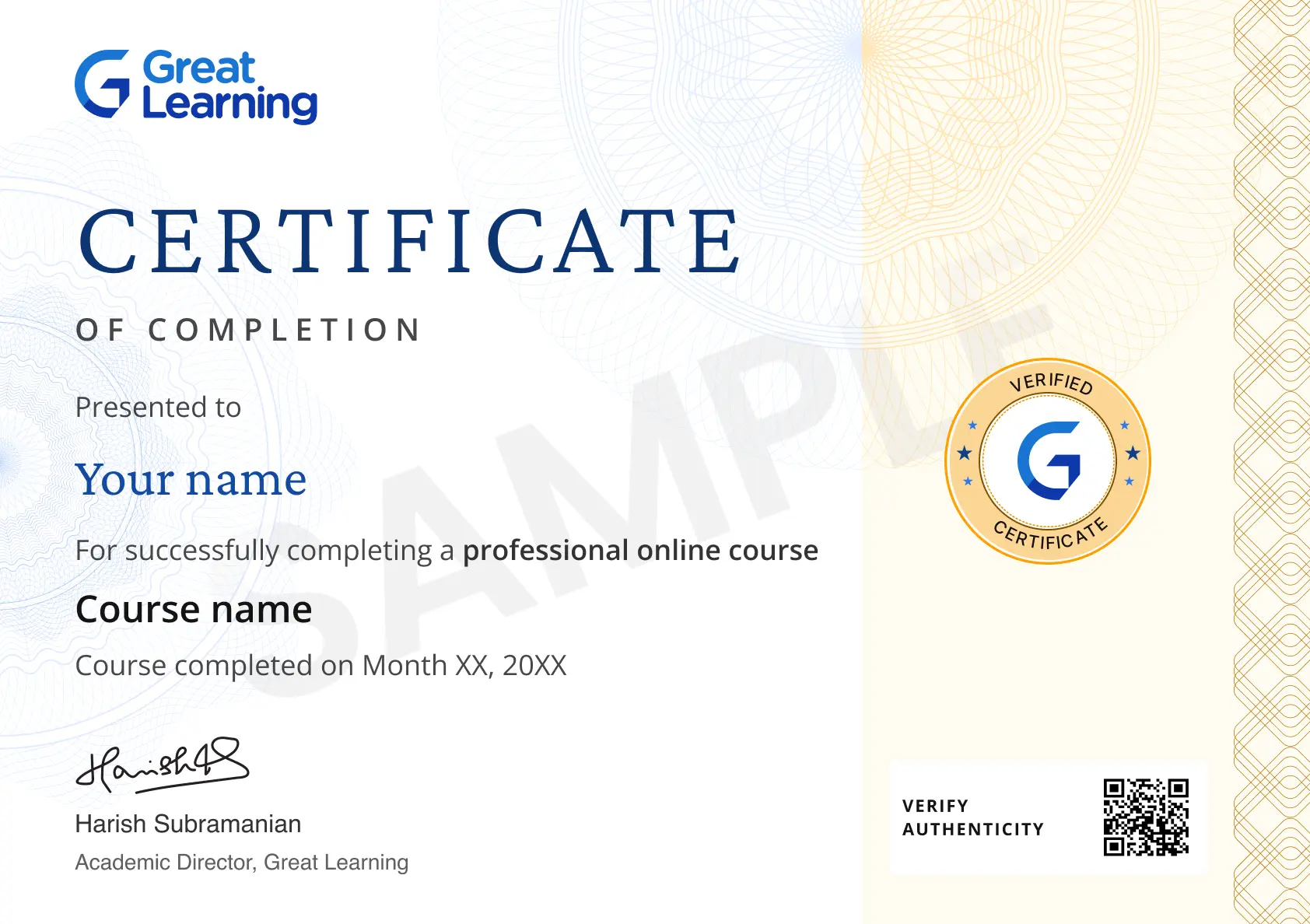
Certificate Image

Course outline

Understanding the Foundations of Legal Research

In this module, you'll learn the sources of law, primary versus secondary authority, mandatory versus persuasive authority, court hierarchy and jurisdiction, stare decisis, and the overall legal research process.

Navigating Legal Research Sources and Tools

In this module, you'll learn legal encyclopedias and treatises, digests, case reporters and citators, online legal research databases, Boolean and natural language searching, and headnotes and key numbers.

Researching Statutes, Regulations, and Case Law

In this module, you'll learn statutory interpretation, legislative history, administrative regulations, case law research strategies, annotated codes, updating research for current validity, and AI-assisted legal research tools.

Analyzing and Synthesizing Legal Authority

In this module, you'll learn case briefing, ratio decidendi and obiter dicta, distinguishing precedent, synthesizing multiple authorities, the IRAC and CREAC frameworks, and analogical reasoning.

Building a Strong Legal Writing Foundation

In this module, you'll learn principles of clear legal writing, plain language, organizing legal arguments logically, paragraph structure, the legal writing process, outlining, and revising for clarity.

Drafting Clear Legal Memoranda

In this module, you'll learn the structure of a legal memo, the question presented, the brief answer, the statement of facts, the discussion section, applying law to facts, and maintaining an objective tone.

Crafting Persuasive Legal Advocacy Documents

In this module, you'll learn persuasive legal writing, the structure of a legal brief, persuasive point headings, argument construction, using precedent persuasively, rebutting counterarguments, and oral argument preparation.

Refining Citations and Professional Practice

In this module, you'll learn legal citation standards, citing cases and statutes, proofreading techniques, citation accuracy checks, avoiding plagiarism, ethical obligations, and finalizing documents for submission.

Get access to the complete curriculum once you enroll in the course

Legal Research and Writing

3.0 Hours

Beginner

Get free course content

Master in-demand skills & tools

Test your skills with quizzes

Trusted by 10 Million+ Learners globally

Frequently Asked Questions

What does the Legal Research and Writing Course teach?

You learn legal sources, authority, searching, statutes, regulations, cases, validity checks, case briefing, precedent analysis, synthesis, IRAC, and CREAC writing This makes the reasoning easier to audit.

Is the Legal Research and Writing Course suitable for beginners?

Yes. It explains authority, court hierarchy, jurisdiction, and the research process before moving into databases, precedent, legal analysis, and structured writing This makes the reasoning easier to audit.

How do primary and secondary authorities differ in the course?

You compare primary authority, such as cases and statutes, with secondary sources, then consider whether authority is mandatory or persuasive in a particular research task This makes the reasoning easier to audit.

Which tools and search methods are covered?

The course introduces encyclopedias, treatises, digests, reporters, citators, online databases, Boolean searching, natural-language searching, headnotes, and key numbers This makes the reasoning easier to audit.

Will I learn to research statutes and regulations?

Yes. You study statutory interpretation, legislative history, administrative regulations, annotated codes, and methods for checking whether research remains current This makes the reasoning easier to audit.

How does the course use AI-assisted legal research?

AI-assisted research appears as one method within a broader process; you still assess sources, verify current validity, and connect authority to the legal issue being researched This makes the reasoning easier to audit.

What is included in case briefing and precedent analysis?

You practice case briefing, distinguish ratio decidendi from obiter dicta, separate relevant from weaker precedent, and use analogical reasoning to compare authorities This makes the reasoning easier to audit.

Does the course teach IRAC and CREAC writing?

Yes. The course shows how IRAC and CREAC organize an issue, rule, analysis, and conclusion so your reasoning is easier to follow and support with authority This makes the reasoning easier to audit.

How can this course improve a research workflow?

Use the sequence to define an issue, search broadly, filter sources, verify current validity, synthesize authorities, and outline a supported answer before drafting This makes the reasoning easier to audit.

What should I practice after completing this legal research course?

Choose a narrow legal question, build a source trail, brief the strongest cases, check updates, and write an IRAC or CREAC response using clearly cited authority This makes the reasoning easier to audit.

Subscribe to Academy Pro+ & get exclusive features

$29/month

No credit card required

Learn from 40+ Pro courses

Access 500+ certificates for free

700+ Practice exercises & guided projects

Prep with AI mock interviews & resume builder

Recommended Free Law courses

Enroll For Free