Free LLM Operations and Management Course

LLM Operations and Management

Beginner level 3.0 learning hrs

LLM operations training covers adoption, evaluation, governance, privacy, integration, and monitoring. Enroll in this free course to plan responsible business use with practical controls and review steps and review decisions.
Key Highlights

Get free course content

Master in-demand skills & tools

Test your skills with quizzes

About this course

This free LLM operations and management course explains how organizations can use language models with clearer value, risk, cost, and ownership decisions. This free LLM operations and management course begins by explaining how LLMs generate text, what they can and cannot do, and how open-source and proprietary models differ. You will then turn a business objective into a prioritized use case, ROI and total-cost estimate, risk tier, pilot, and rollout roadmap.


The course follows the program through vendor selection and responsible operation. You will compare context windows, token pricing, benchmarks, fine-tuning, retrieval-augmented generation, service agreements, and proof-of-concept results. Later lessons cover AI governance, NIST risk management, human review, bias, PII redaction, privacy requirements, intellectual property, security controls, incident response, workflow automation, prompt libraries, and change management.

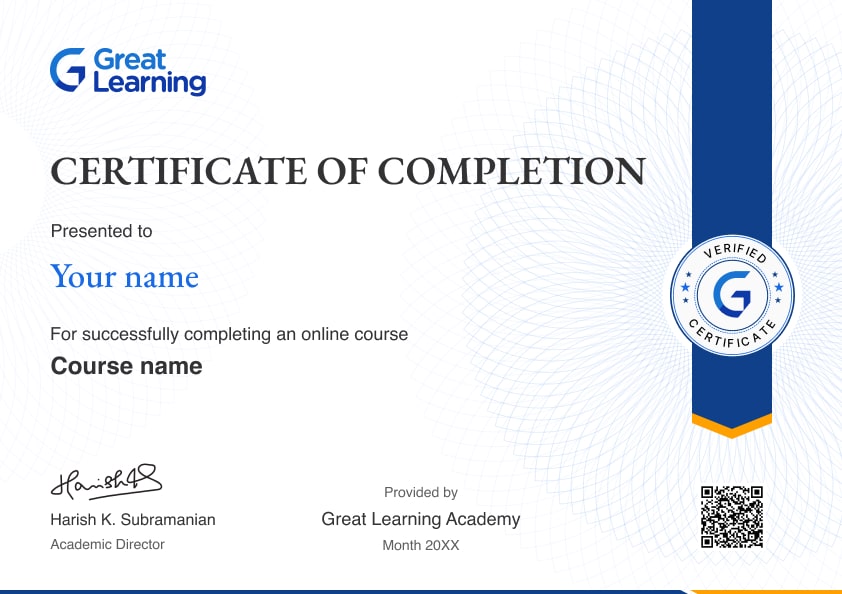
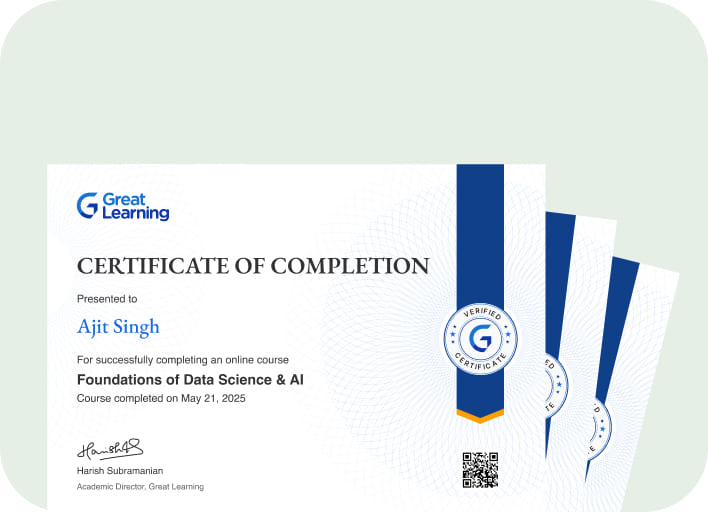
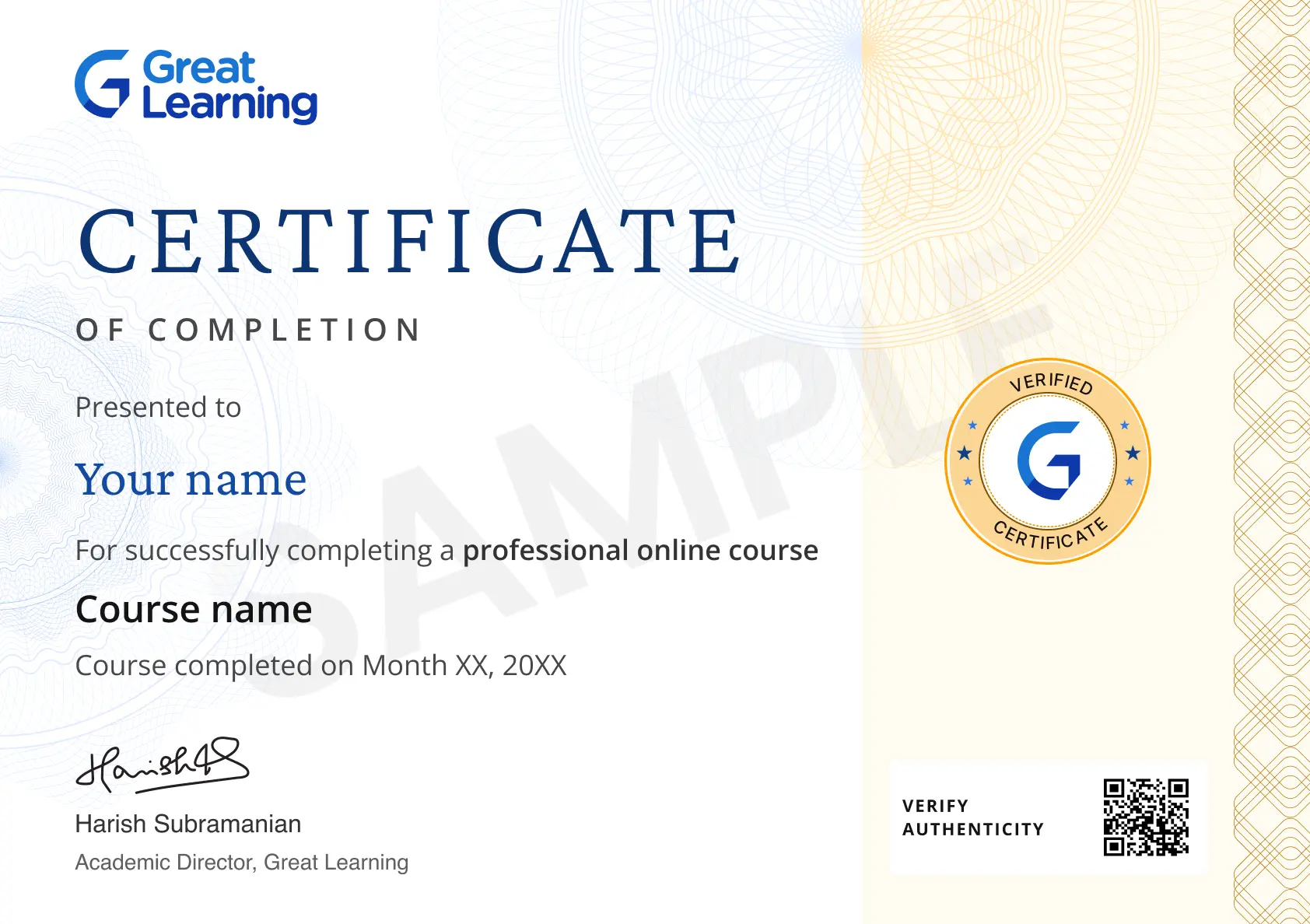
Stand out with an industry-recognized certificate

10,000+ certificates claimed, get yours today!

Get noticed by top recruiters

Share on professional channels

Globally recognised

Land your dream job

Certificate Image

Course outline

Understanding Large Language Models and Their Business Value

In this module, you'll learn what large language models are, how they generate text, their key capabilities and limitations, major LLM providers, open-source versus proprietary models, and how to map LLM capabilities to business use cases.

Building an LLM Adoption Strategy and Roadmap

In this module, you'll learn how to define objectives for LLM adoption, prioritize use cases, estimate ROI and total cost of ownership, tier risk, build stakeholder buy-in, and design pilot programs and rollout roadmaps.

Evaluating and Selecting LLM Vendors and Models

In this module, you'll learn model evaluation criteria, context window and token pricing, benchmarking methods, fine-tuning versus retrieval-augmented generation, vendor SLA review, and how to run a proof of concept to select an LLM vendor.

Establishing Governance for Responsible LLM Use

In this module, you'll learn the components of AI governance frameworks, the NIST AI Risk Management Framework, defining model ownership roles, writing acceptable use policies, human-in-the-loop review, and bias mitigation in LLM outputs.

Managing Data Privacy, Security, and Compliance Risk

In this module, you'll learn data flow mapping for LLM applications, PII redaction, CCPA and state privacy requirements, intellectual property risk, vendor data agreements, security controls, and incident response planning.

Integrating LLMs into Business Workflows

In this module, you'll learn integration patterns for deploying LLMs, retrieval-augmented generation, workflow automation, prompt library creation, employee training, pilot scaling, and change management for adoption.

Monitoring LLM Performance, Cost, and Quality

In this module, you'll learn KPI definition for LLM programs, hallucination detection, human review feedback loops, token cost tracking and optimization, model drift monitoring, quality audits, and performance reporting to leadership.

Scaling LLM Programs and Driving Continuous Improvement

In this module, you'll learn how to build an AI center of excellence, standardize processes across business units, manage vendor contract renewals, plan model upgrades and migrations, respond to incidents, and sustain continuous improvement.

Get access to the complete curriculum once you enroll in the course

LLM Operations and Management

3.0 Hours

Beginner

Get free course content

Master in-demand skills & tools

Test your skills with quizzes

Trusted by 10 Million+ Learners globally

Frequently Asked Questions

What is the focus of the LLM Operations and Management Course?

It focuses on the business side of large language models: selecting use cases, planning adoption, governing risk, integrating workflows, monitoring quality and cost, and scaling programs.

Do I need to know how to build an LLM before taking the course?

No programming prerequisite is stated. The opening lessons explain LLM capabilities, limitations, providers, and business use cases before moving into strategy, vendors, governance, and operations.

How does the course help compare LLM vendors and models?

You will examine context windows, token pricing, benchmarks, fine-tuning, retrieval-augmented generation, vendor service agreements, and proof-of-concept methods for a structured comparison.

What does LLM governance include in this training?

Governance topics include an AI risk framework, model ownership roles, acceptable-use policies, human-in-the-loop review, bias mitigation, and the NIST AI Risk Management Framework.

Does the LLM management course cover privacy and security?

Yes. You will study data-flow mapping, PII redaction, CCPA and state privacy requirements, intellectual property risk, vendor data agreements, security controls, and incident response planning.

How are LLMs integrated into business workflows?

The course covers integration patterns, retrieval-augmented generation, workflow automation, prompt libraries, employee training, pilot scaling, and change management for adoption.

What measures can be used to monitor an LLM program?

You will learn to define KPIs, detect hallucinations, collect human-review feedback, track and optimize token costs, monitor model drift, audit quality, and report performance to leadership.

Is this LLM operations course useful for responsible AI planning?

Yes. Responsible use is addressed through governance, privacy, security, human review, bias mitigation, incident response, and clear ownership rather than through model capability alone.

What does the course say about scaling LLM programs?

The final module covers an AI center of excellence, standardized processes, vendor renewals, model upgrades and migrations, incident response, and continuous improvement across business units.

What can I study next after this free LLM management course?
You could continue with prompt design, retrieval systems, model evaluation, privacy, AI governance, workflow automation, or observability, based on the part of an LLM program you plan to support.

Subscribe to Academy Pro+ & get exclusive features

$29/month

No credit card required

Learn from 40+ Pro courses

Access 500+ certificates for free

700+ Practice exercises & guided projects

Prep with AI mock interviews & resume builder

Recommended Free AI courses

Related Artificial Intelligence Courses

50% Average salary hike
Explore degree and certificate programs from world-class universities that take your career forward.
Personalized Recommendations
checkmark icon
Placement assistance
checkmark icon
Personalized mentorship
checkmark icon
Detailed curriculum
checkmark icon
Learn from world-class faculties

Other Artificial Intelligence tutorials for you

Enroll For Free