Free Emergency and Disaster Management Course

Emergency and Disaster Management

Beginner level 3.0 learning hrs

Emergency and disaster management training follows hazards from risk assessment through mitigation, ICS response, recovery, and exercises. Start this free course to understand how agencies coordinate readiness across incidents.
Key Highlights

Get free course content

Master in-demand skills & tools

Test your skills with quizzes

About this course

In this free Emergency and Disaster Management course, beginners learn the core ideas, workflow, and practical judgment the subject requires. Emergency management is a cycle of decisions made before, during, and after an incident. This free Emergency and Disaster Management Course introduces mitigation, preparedness, response, and recovery through the US system, including FEMA's role, the Stafford Act, state and local responsibilities, the National Preparedness Goal, and disaster declarations.


You then follow a plan into operations and improvement. Mitigation plans, BRIC, floodplain management, continuity of operations, NIMS, the Incident Command System, unified command, resource typing, Incident Action Plans, EOC activation, Emergency Support Functions, alerts, shelters, and access and functional needs show how agencies coordinate. You can use the cycle to identify a preparedness priority and separate general planning ideas from authorities that need local confirmation.

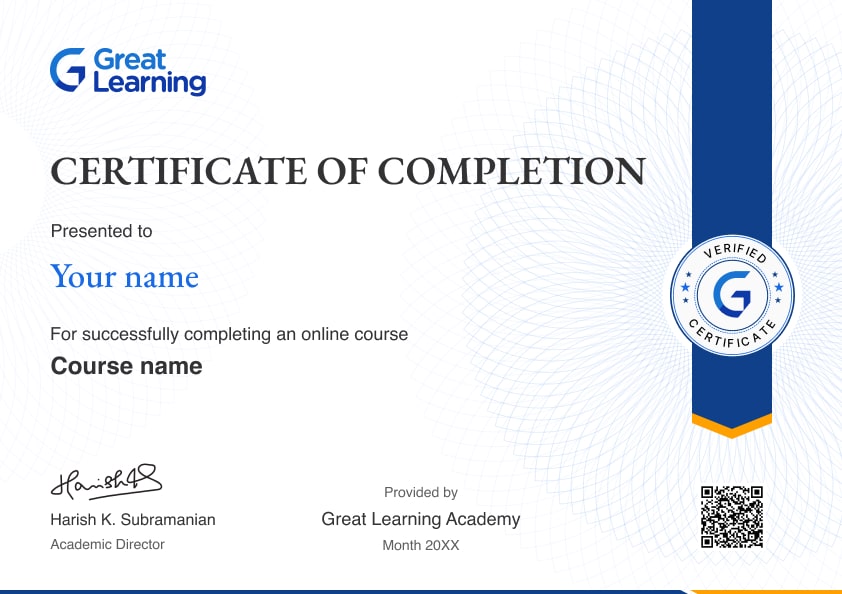
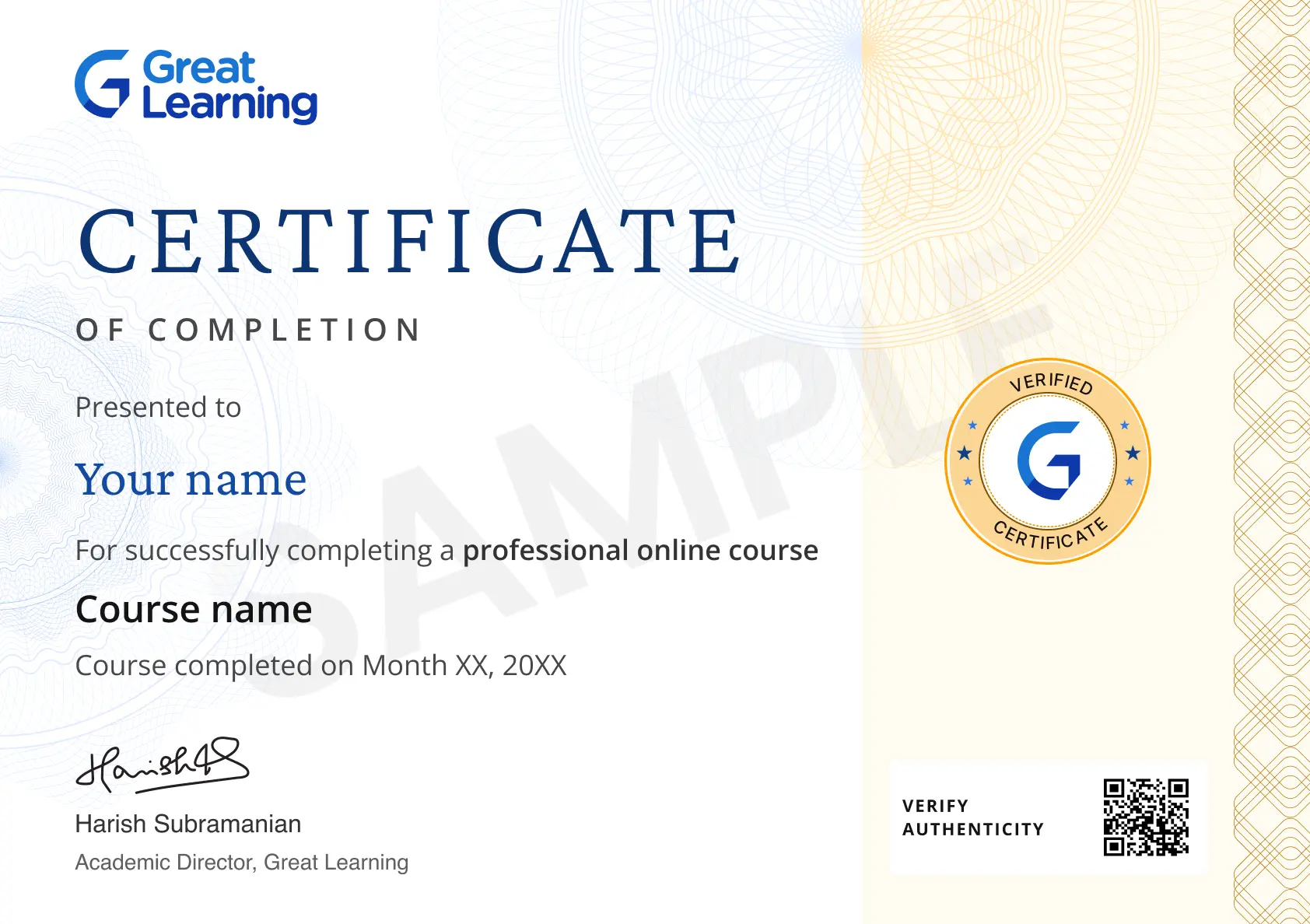
Stand out with an industry-recognized certificate

10,000+ certificates claimed, get yours today!

Get noticed by top recruiters

Share on professional channels

Globally recognised

Land your dream job

Certificate Image

Course outline

Understanding Emergency Management and the US System

In this module, you'll learn the four mission areas of mitigation, preparedness, response, and recovery, the emergency management cycle, the Stafford Act, FEMA's organizational role, state and local responsibilities, the National Preparedness Goal, and presidential disaster declarations.

Assessing Hazards and Community Risk

In this module, you'll learn to classify natural, technological, and human-caused hazards, assess vulnerability and exposure, conduct a THIRA, perform capability assessments, use HAZUS hazard mapping, evaluate critical infrastructure dependencies, and translate risk data into planning priorities.

Building Mitigation and Preparedness Plans

In this module, you'll learn hazard mitigation principles, structural and non-structural mitigation measures, building a Hazard Mitigation Plan, FEMA's BRIC program, floodplain management under the National Flood Insurance Program, continuity of operations planning, and community preparedness engagement.

Mastering NIMS and the Incident Command System

In this module, you'll learn NIMS principles, Incident Command System structure, command and general staff roles, unified command for multi-jurisdiction incidents, span of control, Incident Action Plan development, resource typing, and multi-agency coordination systems.

Operating the Emergency Operations Center

In this module, you'll learn EOC activation levels, ICS-based and ESF-based EOC structures, Emergency Support Functions, building a common operating picture, situational awareness tools, AI-assisted damage assessment, Joint Information Center coordination, and EOC deactivation procedures.

Coordinating Disaster Response Operations

In this module, you'll learn search and rescue operations, evacuation planning, public alerting through Wireless Emergency Alerts and IPAWS, mass care and sheltering, donations and volunteer management through VOAD, access and functional needs considerations, and the transition from response to recovery.

Managing Recovery and Disaster Assistance Programs

In this module, you'll learn Individual Assistance and Public Assistance programs, the disaster declaration and grant application process, the Hazard Mitigation Grant Program, long-term community recovery planning, debris management, disaster case management, and housing and economic recovery support.

From Exercises to Sustained Program Readiness

In this module, you'll learn the Homeland Security Exercise and Evaluation Program, designing tabletop and full-scale exercises, writing after-action reports and improvement plans, crisis and emergency risk communication, the Public Information Officer's role, and sustaining program performance through continuous improvement.

Get access to the complete curriculum once you enroll in the course

Emergency and Disaster Management

3.0 Hours

Beginner

Get free course content

Master in-demand skills & tools

Test your skills with quizzes

Trusted by 10 Million+ Learners globally

Frequently Asked Questions

What will you learn in the Emergency and Disaster Management Course?

You study the emergency management cycle, hazard assessment, mitigation, preparedness, NIMS and ICS, EOC operations, response, recovery assistance, exercises, and risk communication.

Is this emergency management course beginner-friendly?

Yes. It starts with the four mission areas and the US emergency management system before introducing hazard analysis, incident structures, operations, and recovery programs.. This keeps the learning path focused on a.

How does the course teach community hazard assessment?

You learn to classify hazards, assess vulnerability and exposure, conduct a THIRA, perform capability assessments, use HAZUS mapping, and prioritize planning needs.. This keeps the learning path focused on a practical.

What mitigation and preparedness planning is included?

The course covers structural and nonstructural mitigation, Hazard Mitigation Plans, FEMA's BRIC program, floodplain management, continuity planning, and community engagement.. This keeps the learning path focused on a.

What are NIMS and the Incident Command System used for?

You study NIMS principles, ICS roles, unified command, span of control, Incident Action Plans, resource typing, and multi-agency coordination for incidents.. This keeps the learning path focused on a practical next step.

What will you learn about Emergency Operations Centers?

You examine EOC activation levels, ICS- and ESF-based structures, Emergency Support Functions, common operating pictures, situational awareness, and deactivation procedures.. This keeps the learning path focused on a.

How does the course address disaster response operations?

You cover search and rescue, evacuation, Wireless Emergency Alerts, IPAWS, mass care, shelters, VOAD coordination, access and functional needs, and the shift to recovery.. This keeps the learning path focused on a.

What disaster recovery programs are explained?

You study Individual and Public Assistance, declarations, grant applications, the Hazard Mitigation Grant Program, debris, case management, housing, and economic recovery.. This keeps the learning path focused on a.

Will you learn how emergency exercises improve readiness?

Yes. The final module covers tabletop and full-scale exercises, HSEEP, after-action reports, improvement plans, crisis communication, and continuous program improvement.. This keeps the learning path focused on a.

What can you study after this disaster management course?

You can pursue deeper study in emergency planning, ICS operations, hazard mitigation, public information, recovery programs, exercise design, or continuity of operations.. This keeps the learning path focused on a.

Subscribe to Academy Pro+ & get exclusive features

$29/month

No credit card required

Learn from 40+ Pro courses

Access 500+ certificates for free

700+ Practice exercises & guided projects

Prep with AI mock interviews & resume builder

Enroll For Free