Free Medical Receptionist Course
Medical Receptionist Essentials
Learn how a patient moves from an appointment request to check-in in this free medical receptionist course. Enroll to understand accurate records, respectful communication, and the front desk's role in protecting patient data.







About this course
This free medical receptionist course follows the information and conversations handled at a healthcare front desk. You learn how scheduling, registration, and accurate records support a patient's visit, then consider how a receptionist responds when information is missing or a conversation becomes difficult. The focus is on organizing administrative work, not making clinical decisions.
Medical receptionist training online introduces EHR data entry, insurance verification, and familiar medical terms through the curriculum. HIPAA awareness gives patient privacy a clear US healthcare setting, while call-handling lessons explain why symptoms and urgent concerns need escalation to licensed staff. You gain a starting point for understanding front-office responsibilities and asking better questions during workplace training. No software access, clinical qualification, or guarantee of employment is implied.
Course outline
Welcome to the Front Desk: The Medical Receptionist Role in U.S. Healthcare
Information related to HIPAA laws, patient confidentiality, and patient data protection.
Protecting Patients: HIPAA, Privacy, and Compliance at the Front Desk
Knowledge on patient registration process, collecting demographic data, check-in process, appointment verification, and accurate maintenance of patient records.
Mastering Patient Communication at the Front Desk
Knowledge on multiple-provider scheduling process, appointment coordination, availability of the provider, calendar maintenance, and effective scheduling processes in medical facilities.
Running an Efficient Schedule: Appointment Management Essentials
Knowledge on electronic health record (EHR) systems, accurate data entry process, clinical documentation, updating patient information, and commonly used medical terminology.
From Check-In to Chart: Registration and EHR Essentials
Knowledge on patient insurance coverage, verification of patient's insurance coverage, benefits checkup, calculation of co-payment amounts, payment collection, and accurate documentation of payments.
Understanding Insurance and Billing at the Front Desk
Information regarding effective communication with patients, listening, handling conflict, appropriate response, and de-escalation with patients.
Speaking the Language of Healthcare: Medical Terminology Essentials
Knowledge on telephonic communication guidelines, gathering symptoms information from the patient, determination of urgency, proper escalation to licensed medical staff, and accurate telephonic documentation.
Running the Office: Operations, Safety, and Launching Your Career
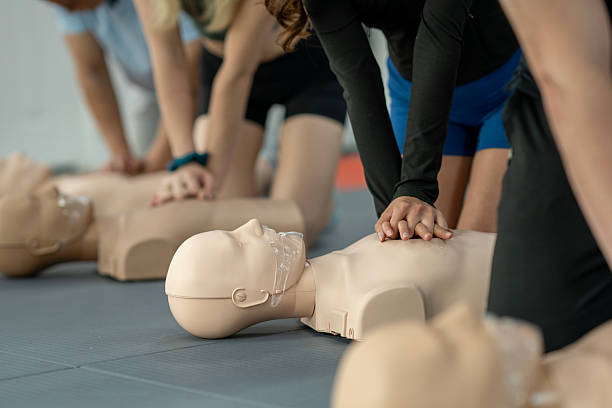
Knowledge on emergency situations identification, emergency procedures, activation of emergency services, basic knowledge of first aid, and patient safety.
Get access to the complete curriculum once you enroll in the course




Frequently Asked Questions
What patient-registration tasks does the course introduce?
Does the free medical receptionist course discuss patient privacy?
How will I learn about appointment scheduling?
Are electronic health records part of receptionist training?
What insurance topics are covered at the front desk?
How does the course approach difficult patient conversations?
Will I study telephone handling and escalation?
What medical terminology will I learn to recognize?
How are emergencies addressed in the curriculum?
How can medical reception lessons help before workplace training?




Recommended Free Healthcare courses
-
FREE

-
FREE
4 hrs
-
FREE
-
FREE
-
FREE
-
FREE
-
FREE
2.5 hrs
-
FREE
 FREE