Free Quantity Surveying Course

Quantity Surveying and Cost Management

Beginner level 3.0 learning hrs

In this free quantity surveying course, you follow a construction cost from the drawing to the final account. Enroll to learn how measured quantities become estimates and why design changes can affect the budget.
Key Highlights

Get free course content

Master in-demand skills & tools

Test your skills with quizzes

About this course

This free quantity surveying course helps you understand where a construction estimate comes from. You start by reading drawings and specifications, then learn to measure work and organize the quantities. A bill of quantities turns those measurements into items a contractor can price. Building up a unit rate helps you see how assumptions about materials and labor affect the estimate.


The course then follows costs as the project moves forward. You compare procurement routes and tender returns before looking at how surveyors value completed work and changes to the contract. Lessons on claims and final accounts show why clear records matter when people disagree about a cost. If you are new to construction cost management, this progression gives you a way to understand what a quantity surveyor checks at each project stage.

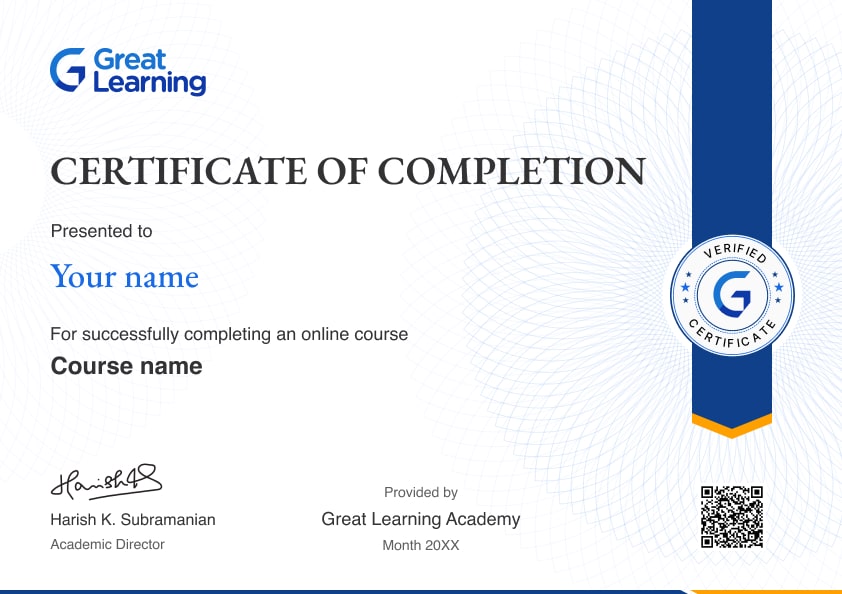
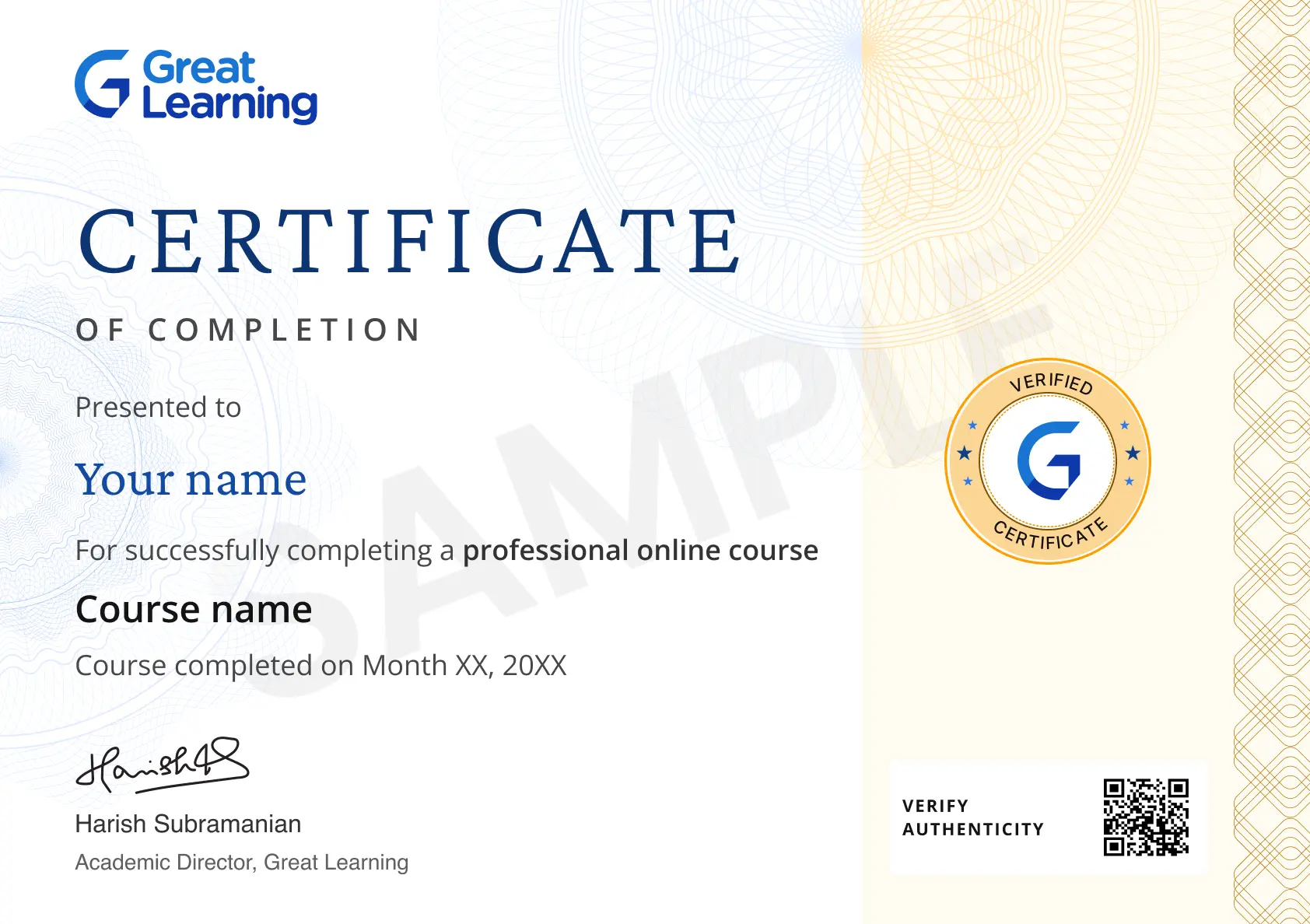
Stand out with an industry-recognized certificate

10,000+ certificates claimed, get yours today!

Get noticed by top recruiters

Share on professional channels

Globally recognised

Land your dream job

Certificate Image

Quantity Surveying and Cost Management

3.0 Hours

Beginner

Get free course content

Master in-demand skills & tools

Test your skills with quizzes

Trusted by 10 Million+ Learners globally

Frequently Asked Questions

Where does the free quantity surveying course start?

You begin with the quantity surveyor's role and the stages of a construction project. This helps you see why the cost information needed during design differs from what a team needs during construction.

How do drawings become a set of measured quantities?

You learn to read dimensions alongside specifications and schedules. The measurement lessons show how to record quantities in consistent units so they can be checked and used when preparing a cost estimate.

What does building up a unit rate help you understand?

A unit rate puts a price against a measured item of work. You study how costs and allowances contribute to that rate, giving you a way to question an estimate whose assumptions are unclear.

How does a bill of quantities help when comparing tenders?

The bill organizes measured work into items that contractors can price. You learn why using a common description of the work helps a team compare offers and investigate differences between tender returns.

What is the purpose of a cost check during design?

A cost check compares the developing design with the budget. You learn how elemental analysis helps a team see which part of a building is driving a change before deciding whether the design needs revision.

How do procurement routes affect the surveyor's work?

The course compares how design and construction responsibilities are arranged. You use those differences to understand why tender information, timing, and cost responsibilities can vary between projects.

What do interim valuations help the project team assess?

An interim valuation looks at the work completed at a particular point in the project. You learn why measuring progress and keeping supporting records matter when preparing a recommendation for payment.

How are changes to the work reflected in the project cost?

The contract lessons introduce variations and how they are valued. You follow why a team needs a clear record of what changed and the basis for the price before it can agree the effect on cost.

What makes a final account different from an initial estimate?

An estimate looks ahead using the information available at the time. The final account brings together agreed costs at the end of the work, including the effect of changes recorded during construction.

Where do digital models fit into quantity surveying?

The final lessons introduce BIM and 5D cost modeling. You see how linking quantities and costs to a model can help a team review changes while still checking the assumptions behind the measurements.

Subscribe to Academy Pro+ & get exclusive features

$29/month

No credit card required

Learn from 40+ Pro courses

Access 500+ certificates for free

700+ Practice exercises & guided projects

Prep with AI mock interviews & resume builder

Enroll For Free