Free CISM Course

CISM Information Security Management

Beginner level 3.0 learning hrs

Security management starts with what the organization needs to protect and why it matters. Join this free CISM course to learn how managers turn those priorities into a security program and review its results.
Key Highlights

Get free course content

Master in-demand skills & tools

Test your skills with quizzes

About this course

The free CISM course helps you understand how a security manager connects technical work with business decisions. You start by examining governance roles and the policies that guide a security program. Risk appetite and tolerance then help you consider which risks an organization is willing to accept and which need a response. These ideas give you a basis for discussing priorities with leaders.


You move from those priorities to the work of planning a program, assigning resources, and choosing useful measures. The course discusses NIST control frameworks as one input to managing information risk, alongside other approaches. Incident management lessons bring the planning into a time-sensitive setting, where classification, communication, and recovery decisions need clear ownership. Beginners can use this progression to understand what security management involves and how it differs from a single technical task.

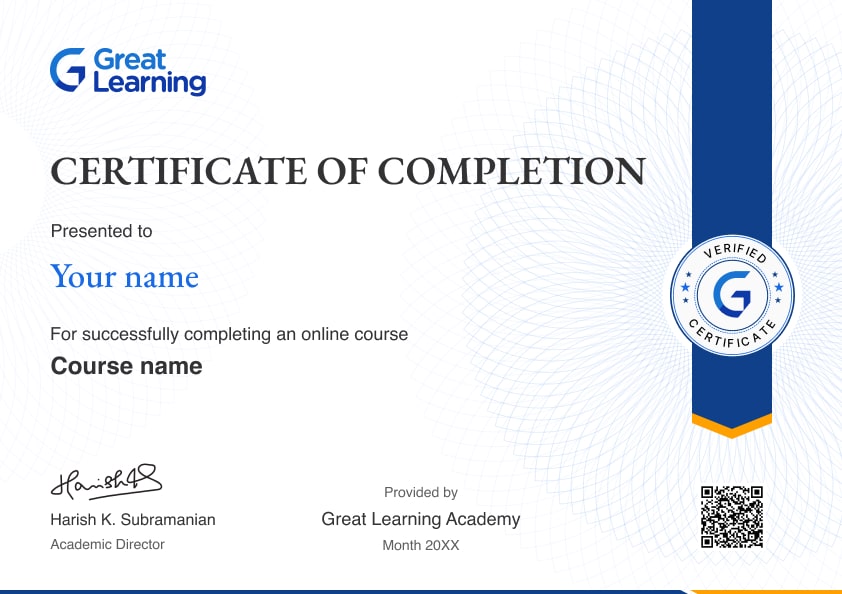
Stand out with an industry-recognized certificate

10,000+ certificates claimed, get yours today!

Get noticed by top recruiters

Share on professional channels

Globally recognised

Land your dream job

Certificate Image

CISM Information Security Management

3.0 Hours

Beginner

Get free course content

Master in-demand skills & tools

Test your skills with quizzes

Trusted by 10 Million+ Learners globally

Frequently Asked Questions

What does the free CISM course focus on?

You study the management decisions behind a security program, including governance, risk, resources, and incidents. The course helps you understand how those decisions relate to the organization's objectives.

How does a security policy relate to a standard or guideline?

The governance lessons examine how different documents guide work at different levels. You learn why a broad policy needs supporting direction that people can use when making everyday security decisions.

Why discuss risk appetite before choosing a security response?

Risk appetite helps explain what level of risk the organization is prepared to consider. The course connects that discussion with tolerance and treatment options so a response has a clear business basis.

What makes third-party risk part of security management?

A supplier's work can affect the information and services an organization depends on. You learn why identifying that dependency helps a manager decide what oversight and follow-up the relationship needs.

Where do NIST frameworks fit into the course?

The risk lessons introduce NIST alongside other control frameworks. You study how frameworks can help organize risk work while the organization still needs to assign owners and explain its own priorities.

How do you plan the scope of an information security program?

You consider what the program needs to cover and the resources it will require. The program development lessons help you see why a roadmap needs to relate proposed work to business needs and available support.

What makes a security metric useful for leadership?

A useful measure helps explain progress or a risk that needs attention. The course encourages you to connect reporting with the decision leaders need to make instead of relying only on counts of technical activity.

How do incident severity levels affect the response?

Classification helps a team decide how urgently an incident needs attention and who should be involved. You learn why those decisions work better when responsibilities and communication arrangements are planned.

What does crisis communication add to incident handling?

The incident lessons consider who needs information while a response is underway. You learn why messages need a clear owner so technical updates, business decisions, and stakeholder expectations can be coordinated.

How can a post-incident review improve the security program?

You look at what the response revealed about controls, procedures, and responsibilities. The review helps a manager decide which changes to prioritize and how to check that the organization follows through.

Subscribe to Academy Pro+ & get exclusive features

$29/month

No credit card required

Learn from 40+ Pro courses

Access 500+ certificates for free

700+ Practice exercises & guided projects

Prep with AI mock interviews & resume builder

Related Cyber Security Courses

50% Average salary hike
Explore degree and certificate programs from world-class universities that take your career forward.
Personalized Recommendations
checkmark icon
Placement assistance
checkmark icon
Personalized mentorship
checkmark icon
Detailed curriculum
checkmark icon
Learn from world-class faculties
Enroll For Free