Free Responsible Alcohol Service and Bartending Course

Responsible Alcohol Service and Bartending

Beginner level 3.0 learning hrs

Bartending brings drink preparation and decisions about when to serve into the same shift. Join this free bartending course to learn what to look for when you check an ID or decide whether to keep serving a guest.
Key Highlights

Get free course content

Master in-demand skills & tools

Test your skills with quizzes

About this course

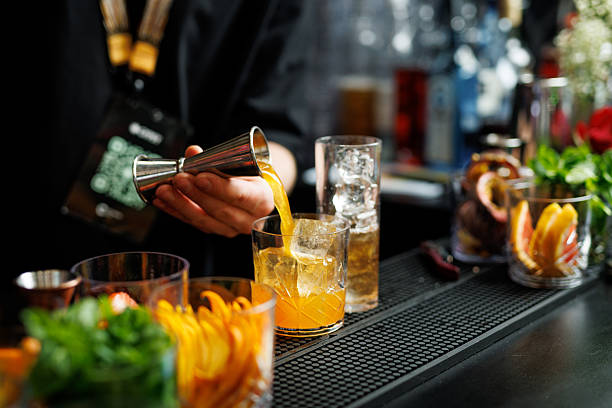
In this free bartending course, you learn what responsible alcohol service looks like during a shift. It starts with how alcohol affects guests and what visible signs may call for a closer look. Bar setup then gives that lesson a practical setting. You organize the tools and glassware you need, compare ways to measure a pour, and see how shaking and stirring fit different drinks. You also study mocktails and lower-alcohol options as part of drink preparation.


When service gets difficult, the course gives you a sequence to think through. You see how consistent ID verification supports a decision at the bar and learn ways to communicate a refusal respectfully. If a guest shows signs of impairment, the lessons move from recognizing those signs to handling the conversation, recording an incident, and deciding when to involve a manager. That progression helps a new bartender understand how drink preparation and guest safety fit together.

Stand out with an industry-recognized certificate

10,000+ certificates claimed, get yours today!

Get noticed by top recruiters

Share on professional channels

Globally recognised

Land your dream job

Certificate Image

Course outline

Understanding Responsible Alcohol Service Foundations

In this module, you'll learn why responsible alcohol service matters, liquor licensing and permit basics, server and establishment liability, duty of care principles, standard drink measurements, house service policies, and documenting service-related incidents.

Exploring the Science of Alcohol and Intoxication

In this module, you'll learn how alcohol is absorbed into the bloodstream, blood alcohol concentration (BAC) and the factors that influence it, how the liver metabolizes alcohol, the stages of intoxication, visible signs of impairment, and pacing strategies to support guest safety.

Building Core Bartending Skills and Setup

In this module, you'll learn how to set up an efficient bar station, essential bar tools and glassware, standard pour sizes, free pouring versus jiggering, mise en place organization, ice handling, and inventory stocking and rotation.

Mastering Mixology and Drink Preparation

In this module, you'll learn cocktail families and categories, core mixing techniques such as shaking, stirring, building, and muddling, garnishing standards, classic cocktail recipes, mocktails and low-ABV drinks, and cocktail costing and pricing.

Verifying Age and Preventing Underage Service

In this module, you'll learn legal drinking age requirements, acceptable forms of identification, techniques for spotting fake or altered IDs, consistent ID-checking procedures, respectful refusal of service, and documenting ID checks and refusals.

Recognizing and Responding to Intoxicated Guests

In this module, you'll learn to recognize behavioral and physical signs of intoxication, slow service without confrontation, use food and water as intervention, apply scripts for refusing further service, de-escalate reactions to being cut off, and arrange safe transportation home.

Navigating Legal Liability and Difficult Situations

In this module, you'll learn server and establishment liability, over-service consequences, de-escalation techniques for difficult guests, handling disputes and disturbances, incident documentation and reporting, and knowing when to involve management, security, or law enforcement.

Elevating Bar Operations and Guest Experience

In this module, you'll learn responsible upselling and customer service techniques, bar inventory and waste control, hygiene and sanitation standards, sustainable bar practices, end-of-shift closing procedures, and cash handling and point-of-sale basics.

Get access to the complete curriculum once you enroll in the course

Responsible Alcohol Service and Bartending

3.0 Hours

Beginner

Get free course content

Master in-demand skills & tools

Test your skills with quizzes

Trusted by 10 Million+ Learners globally

Frequently Asked Questions

What does the Responsible Alcohol Service and Bartending Course cover?

You study responsible service, standard drinks, bar setup, drink preparation, ID checks, intoxication response, legal liability, incident records, inventory, sanitation, and point-of-sale basics.

Can a beginner follow this responsible alcohol service course?

Yes. It starts with duty of care, standard drinks, alcohol effects, tools, and station setup before introducing cocktails, guest interventions, documentation, and more difficult service situations.

What will I learn about BAC and impairment?

The lessons explain alcohol absorption, BAC factors, liver metabolism, intoxication stages, visible impairment signs, and pacing strategies that support safer decisions during guest service.

How do I set up a bartending station in this course?

You learn to organize tools and glassware, measure standard pours, compare free pouring with jiggering, handle ice, and rotate stock for smoother service. Beginners can use this workflow.

Which mixology methods are included?

The course covers cocktail families, classic recipes, shaking, stirring, building, muddling, garnishing, mocktails, low-ABV drinks, and basic cocktail costing and pricing. for daily service.

How does the course teach ID verification?

You review drinking-age requirements, acceptable identification, signs of altered IDs, consistent checking steps, respectful refusal language, and records for checks or refusals. every shift.

What should a bartender do when a guest is intoxicated?

You learn to recognize impairment, slow service without confrontation, offer food or water, explain a cut-off, de-escalate reactions, and arrange safe transportation when appropriate.

Does the course cover bar liability and daily operations?

Yes. You examine over-service consequences, incident reporting, hygiene, waste control, sustainable practices, closing tasks, cash handling, point-of-sale basics, and escalation choices.

How can these bartending lessons guide service decisions?

You can apply the workflow to station readiness, ID refusals, guest cut-offs, incident documentation, drink pricing, stock rotation, and handoffs to management during difficult situations.

What should I study after this bartending course?

Next, seek supervised practice and review the alcohol-service laws, permits, and licensing rules for your jurisdiction, connecting this introductory training with local requirements.

Subscribe to Academy Pro+ & get exclusive features

$29/month

No credit card required

Learn from 40+ Pro courses

Access 500+ certificates for free

700+ Practice exercises & guided projects

Prep with AI mock interviews & resume builder

Enroll For Free