Free Electrical Wiring and Troubleshooting Course

Electrical Wiring and Troubleshooting

Beginner level 3.0 learning hrs

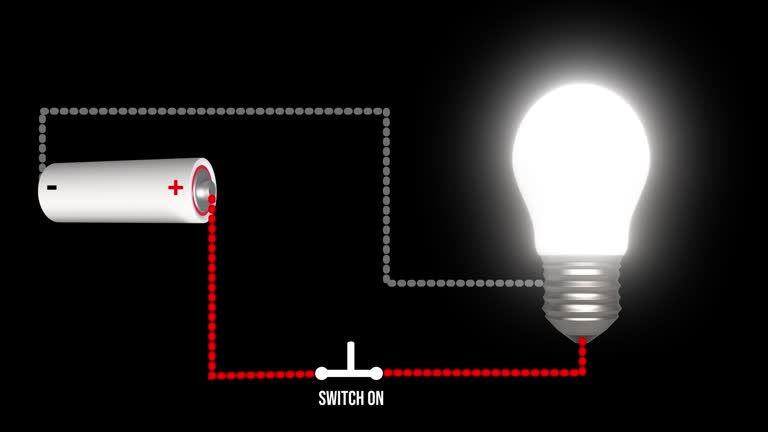
A wiring diagram and a meter reading tell you different things about a fault. Start this free electrical wiring course to learn how to read both and see how they help you narrow down a circuit problem.
Key Highlights

Get free course content

Master in-demand skills & tools

Test your skills with quizzes

About this course

Start with this free electrical wiring course if you’re new to circuits or considering an electrical trade. You’ll see how a wiring diagram relates to the circuit in front of you and what a meter reading can tell you about it. You learn how voltage, current, and resistance relate to one another, then use that foundation to make sense of wiring symbols, schematics, and the readings a meter displays.


The troubleshooting lessons show how to use drawings and test results together when investigating a circuit or motor fault. As you move from residential wiring to industrial systems, you see where grounding, circuit protection, and equipment isolation fit into the work. The course also introduces permits and inspections so you can recognize which questions to bring to a qualified supervisor before working on electrical equipment.

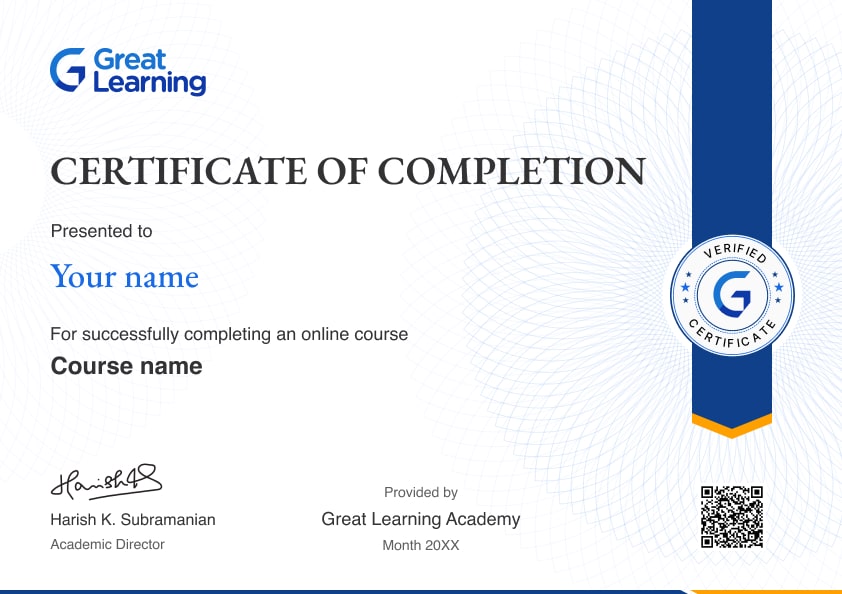
Stand out with an industry-recognized certificate

10,000+ certificates claimed, get yours today!

Get noticed by top recruiters

Share on professional channels

Globally recognised

Land your dream job

Certificate Image

Course outline

Understanding Electrical Theory and Workplace Safety

In this module, you'll learn electrical theory basics including voltage, current, and resistance, Ohm's Law, AC and DC power, series and parallel circuits, electrical hazards, PPE, and lockout/tagout procedures.

Reading Circuit Diagrams and Electrical Drawings

In this module, you'll learn to read electrical symbols and drawing conventions, interpret single-line and schematic diagrams, review panel schedules, perform load calculations, read riser diagrams, and interpret manufacturer wiring diagrams.

Mastering Tools and Testing Instruments

In this module, you'll learn to select and use hand and power tools, operate multimeters and clamp meters, perform continuity and insulation resistance testing, use voltage testers, and maintain test equipment.

Selecting Conductors and Wiring Methods

In this module, you'll learn conductor material selection, wire gauge and ampacity, insulation types, cable types, conduit systems, splicing and termination methods, grounding and bonding, and overcurrent protection basics.

Building Residential Wiring Systems

In this module, you'll learn residential service entrance installation, panel and subpanel wiring, branch circuit and switch wiring, lighting circuit design, GFCI and AFCI protection, and kitchen, bathroom, and outdoor wiring requirements.

Controlling Commercial and Industrial Power Systems

In this module, you'll learn three-phase power fundamentals, transformers, panelboards and switchgear, motor types and starting methods, motor control circuits, overload protection, variable frequency drives, and industrial wiring methods.

Navigating Electrical Codes and Inspections

In this module, you'll learn the structure of electrical codes, permitting and plan review, grounding and overcurrent protection requirements, common code violations, rough-in and final inspection preparation, and code update tracking.

Troubleshooting Systems and Advancing Your Career

In this module, you'll learn systematic troubleshooting approaches, diagnosing circuit and motor faults, preventive maintenance practices, documenting repairs, apprenticeship and licensing pathways, and career progression within the electrical trade.

Get access to the complete curriculum once you enroll in the course

Electrical Wiring and Troubleshooting

3.0 Hours

Beginner

Get free course content

Master in-demand skills & tools

Test your skills with quizzes

Trusted by 10 Million+ Learners globally

Frequently Asked Questions

What does the Electrical Wiring and Troubleshooting Course teach?

You learn electrical theory, workplace safety, diagrams, testing instruments, wiring methods, residential systems, industrial power, code processes, fault diagnosis, maintenance, and trade pathways.

Is this electrical wiring course suitable for beginners?

Yes. It begins with voltage, current, resistance, Ohm's Law, AC and DC power, and circuit types before moving into drawings, instruments, conductors, installations, and fault diagnosis.

How does the course address electrical safety?

You study electrical hazards, personal protective equipment, and lockout/tagout before wiring or testing topics, so the course frames safer decisions as part of every electrical workflow.

Will I learn to read electrical schematics?

Yes. Lessons cover symbols, drawing conventions, schematic and single-line diagrams, panel schedules, riser diagrams, load calculations, and manufacturer wiring diagrams for practical interpretation.

Which testing instruments are included?

You learn the roles of multimeters, clamp meters, and voltage testers, plus continuity and insulation-resistance testing and basic practices for maintaining test equipment correctly.

What conductors and wiring methods are discussed?

The curriculum covers conductor materials, wire gauge and ampacity, insulation and cable types, conduit, splicing, terminations, grounding, bonding, and overcurrent protection fundamentals.

Does the course include residential wiring systems?

Yes. You study service entrances, panels and subpanels, branch circuits, switches, lighting, GFCI and AFCI protection, and wiring considerations for kitchens, bathrooms, and outdoor areas.

What industrial electrical topics will I encounter?

You examine three-phase power, transformers, panelboards, switchgear, motor types, starting methods, control circuits, overload protection, variable frequency drives, and industrial wiring.

How is electrical troubleshooting organized?

The final module introduces a systematic approach to circuit and motor faults, then links diagnosis with preventive maintenance and clear repair records that others can review later.

What should I study after this electrical training?

Review the current electrical codes, permits, and licensing rules in your jurisdiction, then seek supervised hands-on practice through an appropriate apprenticeship or qualified trade setting.

Subscribe to Academy Pro+ & get exclusive features

$29/month

No credit card required

Learn from 40+ Pro courses

Access 500+ certificates for free

700+ Practice exercises & guided projects

Prep with AI mock interviews & resume builder

Enroll For Free