Free Structural Engineering and Design Course

Structural Engineering and Design

Beginner level 3.0 learning hrs

Structural engineering makes more sense when you can follow a force from the point where it acts to the ground. Use the load path lessons in this free structural engineering course to start learning what each part carries.
Key Highlights

Get free course content

Master in-demand skills & tools

Test your skills with quizzes

About this course

The free structural design course gives you a beginner's view of what engineers look for when they analyze a building. You start by distinguishing the weight of the structure from loads that change with use. Following those forces through beams, columns, and foundations helps you understand why each connection matters. The structural analysis lessons introduce diagrams that show how forces and bending change along a beam.


Soil changes the problem at the base of the building. In the foundation design lessons, you'll see why bearing capacity, the load the ground can support, and settlement matter when comparing foundation types. Wind and seismic design introduce other ways a building can move under load. The course ends with drawings and building information modeling, so you can see how design decisions are recorded for the people who review and build the structure.

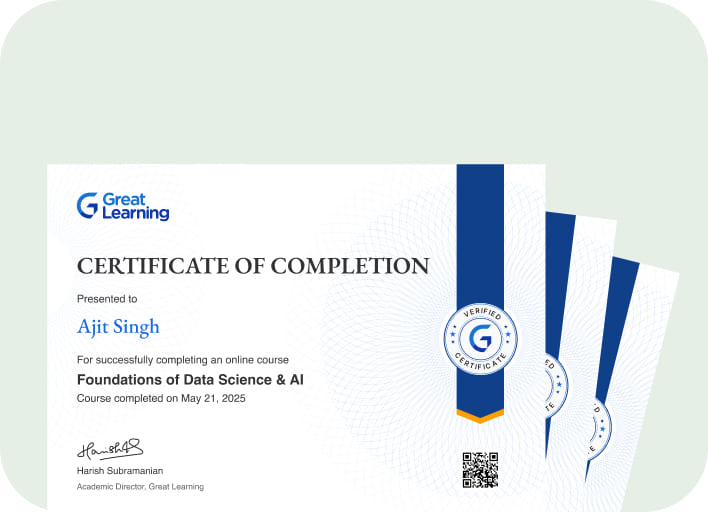
Stand out with an industry-recognized certificate

10,000+ certificates claimed, get yours today!

Get noticed by top recruiters

Share on professional channels

Globally recognised

Land your dream job

Certificate Image

Course outline

Foundations of Structural Engineering and Design Thinking

In this module, you'll learn structural systems, equilibrium and statics, stress and strain basics, allowable stress design versus load and resistance factor design, the role of building codes, and the structural design process.

Understanding Structural Loads and Load Paths

In this module, you'll learn dead and live loads, wind and seismic loads, snow and rain loads, load combinations, tributary areas, and load path analysis through a structure.

Analyzing Structural Materials and Behavior

In this module, you'll learn steel and concrete properties, reinforced concrete behavior, timber and masonry construction, composite and prestressed systems, stress-strain behavior, and material selection criteria.

Mastering Structural Analysis Methods

In this module, you'll learn determinate and indeterminate structures, shear and moment diagrams, truss analysis by joints and sections, moment distribution, influence lines, and finite element analysis concepts.

Designing Beams, Columns, and Connections

In this module, you'll learn flexural and shear design of beams, column design for axial and bending loads, bolted and welded connections, slab design, and reinforcement detailing.

Controlling Foundation and Geotechnical Design

In this module, you'll learn soil investigation, bearing capacity, shallow and mat foundations, deep foundations such as piles, settlement analysis, and retaining wall design.

Embedding Seismic and Wind-Resistant Design

In this module, you'll learn seismic design principles, ductility and capacity design, response spectrum analysis, base isolation and damping, wind load design, and performance-based design concepts.

From Design to Construction: Documentation and Quality Assurance

In this module, you'll learn structural drawing preparation, specifications writing, building information modeling, construction quality assurance, peer review processes, and as-built documentation.

Get access to the complete curriculum once you enroll in the course

Structural Engineering and Design

3.0 Hours

Beginner

Get free course content

Master in-demand skills & tools

Test your skills with quizzes

Trusted by 10 Million+ Learners globally

Frequently Asked Questions

What is covered in the Structural Engineering and Design Course?

The course follows structural work from statics and loads through materials, analysis, member and foundation design, wind, seismic concepts, and construction documentation. This supports focused practice.

Does the course explain structural load paths?

Yes. You will study dead, live, wind, seismic, snow, and rain loads, load combinations, tributary areas, and how forces move through a structure in a load path. This keeps the design sequence tied to reviewable.

Which structural materials are discussed?

The materials module covers steel, concrete, reinforced concrete, timber, masonry, composite systems, and prestressed systems, along with stress-strain behavior and selection criteria.

What structural analysis methods will I learn?

You will encounter determinate and indeterminate structures, shear and moment diagrams, truss analysis by joints and sections, moment distribution, influence lines, and finite element concepts.

Is the Structural Engineering and Design Course beginner-friendly?

It begins with equilibrium, statics, stress, strain, and design processes, then introduces analysis and design topics in a sequence that shows how the ideas connect. This supports focused practice.

Does structural engineering training include beams and columns?

Yes. Lessons address flexural and shear design of beams, axial and bending loads in columns, slabs, bolted and welded connections, and reinforcement detailing. This keeps the design sequence tied to reviewable.

What foundation and geotechnical topics are included?

You study soil investigation, bearing capacity, shallow and mat foundations, piles, settlement analysis, and retaining walls as connected foundation-design decisions. This supports focused practice.

How are wind and seismic design introduced?

The course covers seismic principles, ductility, capacity design, response spectrum analysis, base isolation, damping, wind loads, and performance-based design concepts. This keeps the design sequence tied to reviewable.

Will I learn about structural drawings and construction quality?

The final module covers drawing preparation, specifications, building information modeling, construction quality assurance, peer review, and as-built documentation. This keeps the design sequence tied to reviewable.

What should I study next after this structural engineering course?

You could deepen your study in structural analysis, reinforced concrete, steel design, geotechnical engineering, seismic design, BIM, or construction documentation based on your goals.

Subscribe to Academy Pro+ & get exclusive features

$29/month

No credit card required

Learn from 40+ Pro courses

Access 500+ certificates for free

700+ Practice exercises & guided projects

Prep with AI mock interviews & resume builder

Enroll For Free