Free US Accounting and Financial Reporting Course

US Accounting and Financial Reporting

Beginner level 3.75 learning hrs

Build US accounting fundamentals in this free beginner course covering GAAP, debits, credits, journals, ledgers, trial balances, statements, cash flow, payroll, controls, taxes, and practical reporting decisions clearly.

Key Highlights

Get free course content

Master in-demand skills & tools

Test your skills with quizzes

About this course

US Accounting and Financial Reporting helps you understand how business activity becomes reliable financial information. This free beginner course is useful for students, entrepreneurs, career switchers, and non-finance learners who need accounting language for decisions. You begin with the accounting equation, GAAP, double-entry bookkeeping, debits and credits, the chart of accounts, journal entries, ledgers, T-accounts, and trial balance correction, then connect those records to the cycle.


From there, each statement is tied to business meaning. You work through accruals, adjusting entries, deferrals, depreciation, closing steps, income statements, balance sheets, cash flow activities, liquidity, inventory costing, fixed assets, intangibles, liabilities, payroll, equity, dividends, leases, ratios, controls, SOX awareness, fraud prevention, and ethics. By the end, you can follow how transactions affect reports and prepare for bookkeeping, finance, business analysis, or study.

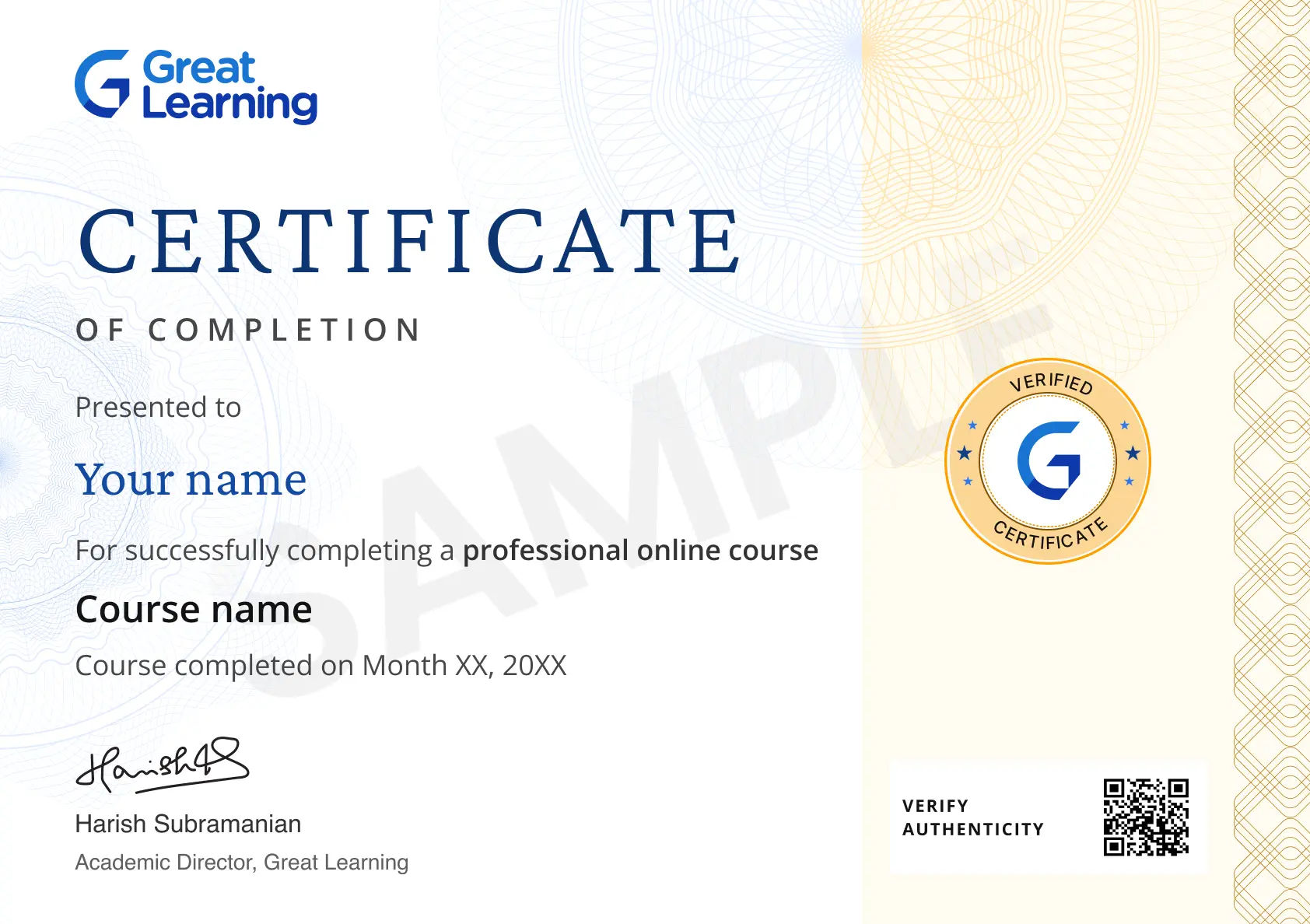
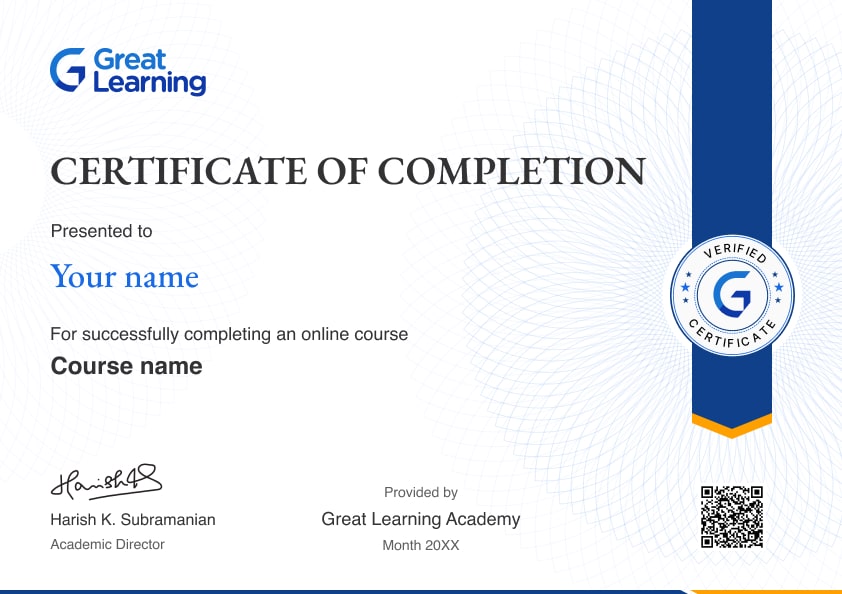
Stand out with an industry-recognized certificate

10,000+ certificates claimed, get yours today!

Get noticed by top recruiters

Share on professional channels

Globally recognised

Land your dream job

Certificate Image

Course outline

Understanding the Foundations of US Accounting

In this module, you'll learn the accounting equation, GAAP principles, double-entry bookkeeping, debits and credits, and the chart of accounts.

Recording and Organizing Business Transactions

In this module, you'll learn to record journal entries, post to ledgers, use T-accounts, and prepare and correct a trial balance.

Completing the Accounting Cycle

In this module, you'll learn accrual accounting, adjusting entries, deferrals, depreciation, and preparing closing and post-closing trial balances.

Building the Income Statement and Balance Sheet

In this module, you'll learn income statement structure, gross and net income, classified balance sheets, and stockholders' equity reporting.

Analyzing Cash Flow and Liquidity

In this module, you'll learn to prepare the cash flow statement, distinguish operating, investing, and financing activities, and assess liquidity.

Managing and Valuing Business Assets

In this module, you'll learn inventory costing methods, depreciation, fixed asset capitalization, intangible assets, and asset-related internal controls.

Accounting for Liabilities, Equity, and Payroll

In this module, you'll learn to record liabilities, payroll accounting, stock and dividend transactions, and lease accounting basics.

Analyzing Performance and Ensuring Compliance

In this module, you'll learn financial ratio analysis, internal controls, Sarbanes-Oxley compliance, fraud prevention, and professional accounting ethics.

Get access to the complete curriculum once you enroll in the course

US Accounting and Financial Reporting

3.75 Hours

Beginner

Get free course content

Master in-demand skills & tools

Test your skills with quizzes

Trusted by 10 Million+ Learners globally

Frequently Asked Questions

Will I receive a certificate upon completing this free course?

Yes, upon successful completion of the course and payment of the certificate fee, you will receive a completion certificate that you can add to your resume.

Is this course free?

Yes, you may enroll in the course and access the course content for free. However, if you wish to obtain a certificate upon completion, a non-refundable fee is applicable.

What will I learn in this free US accounting course?

You learn GAAP, the accounting equation, debits and credits, journal entries, ledgers, trial balances, adjusting entries, financial statements, cash flow, assets, liabilities, payroll, and controls.

What will I learn in this free US accounting course?

You learn GAAP, the accounting equation, debits and credits, journal entries, ledgers, trial balances, adjusting entries, financial statements, cash flow, assets, liabilities, payroll, and controls.

Is US Accounting and Financial Reporting for beginners?

The course starts with core accounting language and transaction logic, making it useful for learners without a finance background who want to read and prepare basic business reports.

How does the course explain debits, credits, and journals?

Debit and credit lessons connect accounts, journal entries, ledgers, and T-accounts so you can see how business events are recorded before reports are prepared and checked accurately.

How does the course explain debits, credits, and journals?

Debit and credit lessons connect accounts, journal entries, ledgers, and T-accounts so you can see how business events are recorded before reports are prepared and checked accurately.

Will I learn the full accounting cycle?

Accounting-cycle topics cover trial balances, accruals, adjusting entries, deferrals, depreciation, closing entries, and post-closing checks used to complete a reporting period accurately.

Will I learn the full accounting cycle?

Accounting-cycle topics cover trial balances, accruals, adjusting entries, deferrals, depreciation, closing entries, and post-closing checks used to complete a reporting period accurately.

Does this course cover income statements and balance sheets?

Statement lessons explain revenue, expenses, gross income, net income, assets, liabilities, equity, classified balance sheets, and how performance and financial position are reported.

Does this course cover income statements and balance sheets?

Statement lessons explain revenue, expenses, gross income, net income, assets, liabilities, equity, classified balance sheets, and how performance and financial position are reported.

How is cash flow analysis taught in this accounting training?

You learn operating, investing, and financing activities, cash flow statement structure, liquidity signals, and why profit and cash can tell different stories about a business clearly.

How is cash flow analysis taught in this accounting training?

You learn operating, investing, and financing activities, cash flow statement structure, liquidity signals, and why profit and cash can tell different stories about a business clearly.

Will I study inventory, depreciation, and asset accounting?

Asset lessons cover inventory costing, fixed asset capitalization, depreciation, intangible assets, and controls that help companies protect and value resources accurately over time.

Will I study inventory, depreciation, and asset accounting?

Asset lessons cover inventory costing, fixed asset capitalization, depreciation, intangible assets, and controls that help companies protect and value resources accurately over time.

Does the course include payroll, liabilities, and equity?

You explore liabilities, payroll entries, stock transactions, dividends, lease basics, and how obligations and ownership changes appear in accounting records and reports clearly for decisions.

Does the course include payroll, liabilities, and equity?

You explore liabilities, payroll entries, stock transactions, dividends, lease basics, and how obligations and ownership changes appear in accounting records and reports clearly for decisions.

What compliance and ethics topics are included?

The final section introduces ratio analysis, internal controls, Sarbanes-Oxley awareness, fraud prevention, and professional ethics used to keep financial reporting trustworthy in practice.

What compliance and ethics topics are included?

The final section introduces ratio analysis, internal controls, Sarbanes-Oxley awareness, fraud prevention, and professional ethics used to keep financial reporting trustworthy in practice.

Who should take financial reporting fundamentals online?
Students, small business owners, analysts, operations teams, bookkeeping beginners, and career switchers can use it to understand records, reports, and accounting decisions confidently.

Who should take financial reporting fundamentals online?

Students, small business owners, analysts, operations teams, bookkeeping beginners, and career switchers can use it to understand records, reports, and accounting decisions confidently.

Subscribe to Academy Pro+ & get exclusive features

$29/month

No credit card required

Learn from 40+ Pro courses

Access 500+ certificates for free

700+ Practice exercises & guided projects

Prep with AI mock interviews & resume builder

FREE
Customer Management
star   4.64 16.6K+ Learners
1 hr
FREE
Decision-Making in Management
star   4.48 5.9K+ Learners
1.5 hrs
FREE
Retail Management
star   4.52 15.7K+ Learners
1 hr
FREE
Introduction to Hotel Management
15 Learners
1 hr
Enroll For Free