Free Computer Architecture: Digital Components Course

Computer Architecture: Digital Components

star 4.49  Beginner level 3.0 learning hrs 11.1K+ Learners

This free digital components course helps you learn logic gates, adders, multiplexers, registers, memory units, CPU building blocks, hardware basics so you can see how small digital parts support larger computer systems.

Key Highlights

Get free course content

Master in-demand skills & tools

Test your skills with quizzes

About this course

Learning digital components is easier when each idea is tied to a real decision, task, or workflow. This free course is built for beginners who want practical context before moving into deeper tools, projects, or role-specific training. You work through logic gates, adders, multiplexers, registers, memory units, CPU building blocks, hardware basics, so the topic feels useful rather than abstract. The course helps you see how small digital parts support larger computer systems while building vocabulary, confidence, and a clearer sense of what to practice next.


By the end, you should be able to explain the core ideas in your own words, recognize where they apply, and choose a sensible next step for practice. The course is useful for students, early professionals, career switchers, and working learners who need a self-paced foundation. It keeps the focus on learner questions: what the topic means, where it is used, what skills it builds, and how it connects to future learning or work.

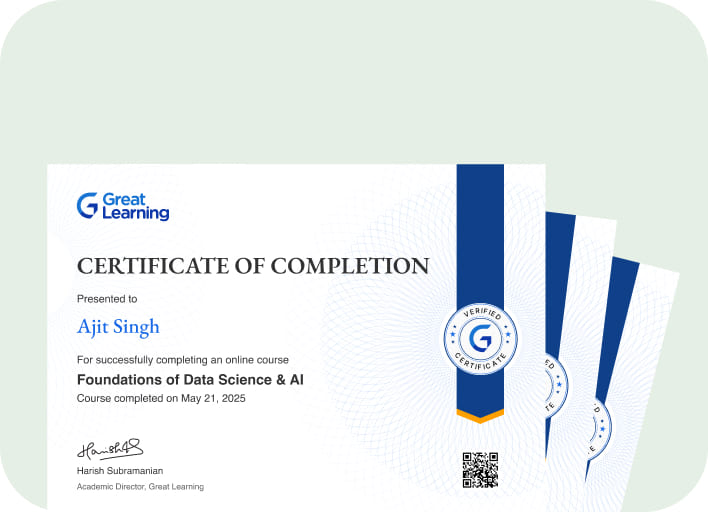
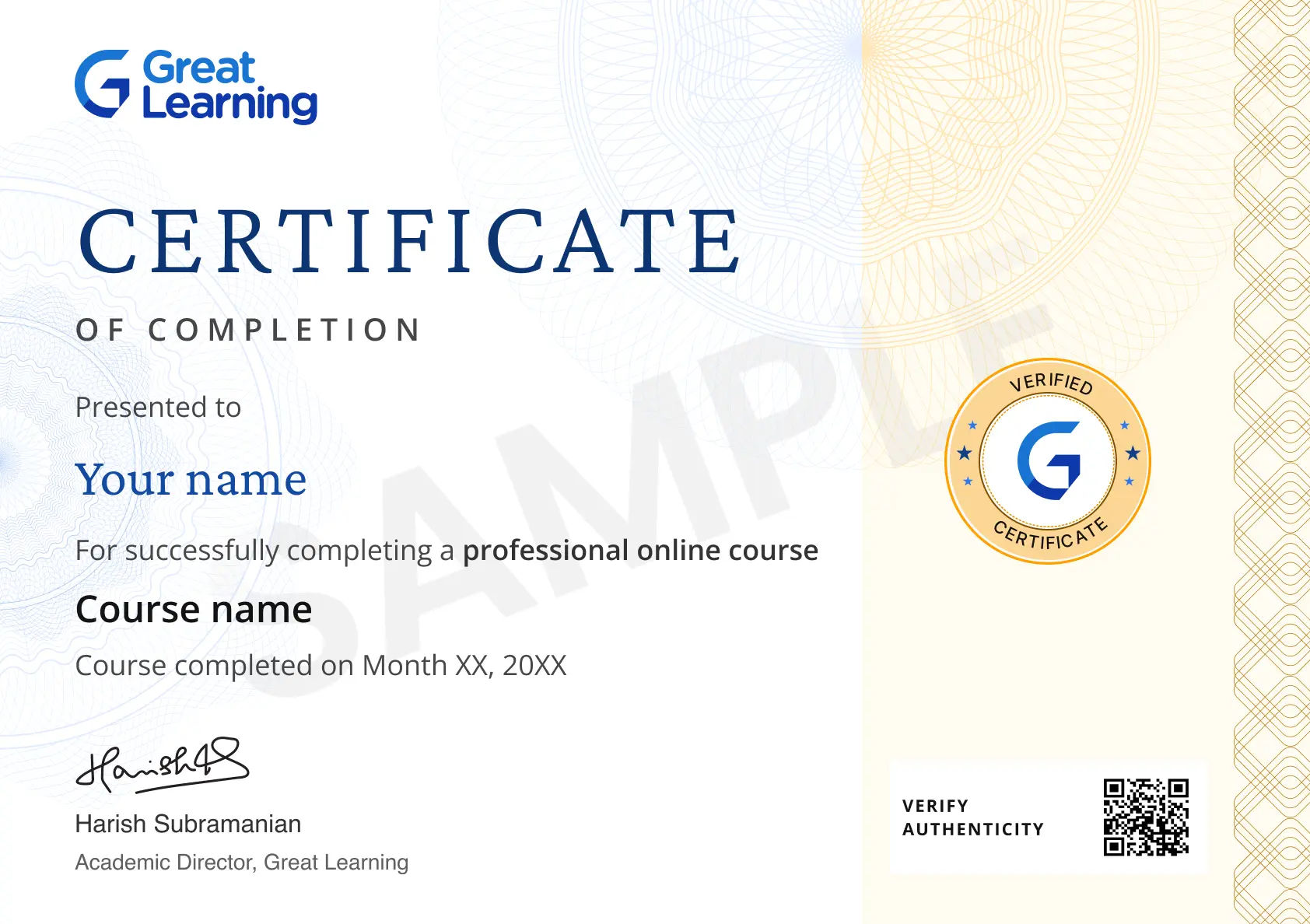
Stand out with an industry-recognized certificate

10,000+ certificates claimed, get yours today!

Get noticed by top recruiters

Share on professional channels

Globally recognised

Land your dream job

Certificate Image

Course outline

Bidirectional Shift Register

Binary Counter

Decoder Expansion

Integrated Circuit

Multiplexer

NAND Gate Decoder

RAM and ROM

Register

Word and Byte

Encoder

Get access to the complete curriculum once you enroll in the course

Computer Architecture: Digital Components

rating icon 4.49

3.0 Hours

Beginner

11.1K+ learners enrolled so far

Get free course content

Master in-demand skills & tools

Test your skills with quizzes

Trusted by 1 Crore+ Learners globally

Learner reviews of the Free Courses

4.49
★★★★
★ ☆
★
★
★
★
★
70%
★
★
★
★
☆
21%
★
★
★
☆
☆
5%
★
★
☆
☆
☆
1%
★
☆
☆
☆
☆
3%
Reviewer Profile

5.0

★★★★ ★
India
“Computer Architecture: Digital Components”
In this course, we will learn about the digital components involved in building computer hardware, such as shift registers, decoders, encoders, integrated circuits, and multiplexers. Learning about these basic components provides the foundation for understanding Computer Architecture.
Reviewer Profile

4.0

★★★ ★ ☆
India
“Benefits of Studying Computer Architecture: Key Skills and Career Opportunities”
Computer architecture bridges the gap between hardware and software, helping students understand how code translates into actions within the hardware. Learning about concepts like caching, pipelining, and parallel processing allows students to understand and enhance system performance. This knowledge is particularly useful in fields where speed and efficiency are paramount, such as gaming, real-time data processing, and machine learning.
Reviewer Profile

4.0

★★★ ★ ☆
India
“The course content was well-structured and comprehensive, covering all the essential topics in a clear and engaging manner.”
The course content was well-structured and comprehensive, covering all the essential topics in a clear and engaging manner. The instructors demonstrated deep knowledge of the subject and presented the material effectively, making complex concepts easy to understand.
Reviewer Profile

5.0

★★★★ ★
India
“A Great Opportunity to Understand and Learn”
Computer architecture involves designing and understanding how hardware components like processors, memory, and input/output systems interact with software to efficiently execute instructions, manage data, and optimize performance in computing systems.
Reviewer Profile

5.0

★★★★ ★
India
“RAM Allows Simultaneous Read and Write Operations”
The question highlights the functionality of different types of memory in terms of their ability to perform simultaneous read and write operations. RAM (Random Access Memory) is the only memory type listed that allows both reading and writing at the same time. This makes RAM essential for modern computing, where fast and frequent data access is required for tasks like running applications, multitasking, and executing processes.
Reviewer Profile

5.0

★★★★ ★
India
“Digital Logic and Bistable Circuits”
In digital logic, positive feedback is used to force voltages to "0" and "1" states. It can be used to create bistable circuits for storing information or to eliminate noise from digital signals.
Reviewer Profile

5.0

★★★★ ★
India
“Good Insights on Computer Organization and Architecture”
It was an easily accessible course. The mentor's teaching was on point and helped me grasp the required knowledge.
Reviewer Profile

5.0

★★★★ ★
India
“Thank You for a Great Course. Great Presentation Style with Lots of Opportunities to Ask Questions and Talk About Real Life Examples”
Thank you for a great course. Great presentation style with lots of opportunities to ask questions and talk about real life examples.
Reviewer Profile

5.0

★★★★ ★
India
“Digital Components in Computer Architecture”
I understand the whole concept behind the Digital Components in Computer Architecture.
Reviewer Profile

5.0

★★★★ ★
India
“Computer Architecture: Digital Components”
Great course with valuable learnings.

What our learners enjoyed the most

Frequently Asked Questions

Will I receive a certificate upon completing this free course?

Yes, upon successful completion of the course and payment of the certificate fee, you will receive a completion certificate that you can add to your resume.

Is this course free?

Yes, you may enroll in the course and access the course content for free. However, if you wish to obtain a certificate upon completion, a non-refundable fee is applicable.

What will I learn in this free digital components course?

You learn logic gates, adders, multiplexers, registers, memory units, CPU building blocks, hardware basics, with beginner-friendly explanations that help you understand where the topic is used and how to keep learning after the course.

Is this digital components course suitable for beginners?

Yes. The course starts with foundations and explains the topic in a structured way, so learners can build context before moving into advanced tools or projects.

What should I learn next after digital components?
Next, study related tools, hands-on projects, advanced examples, and role-specific applications so the foundation from this course becomes usable.

Subscribe to Academy Pro+ & get exclusive features

$29/month

No credit card required

Learn from 40+ Pro courses

Access 500+ certificates for free

700+ Practice exercises & guided projects

Prep with AI mock interviews & resume builder

Similar courses you might like

Enroll For Free