Free Estate Planning and Probate Course

Estate Planning and Probate

Beginner level 3.0 learning hrs

Estate planning and probate meet when someone has to carry out a plan after a death. Join this free estate planning and probate course to learn which documents guide that work and where the court process fits.
Key Highlights

Get free course content

Master in-demand skills & tools

Test your skills with quizzes

About this course

This free estate planning and probate course starts with a distinction that can change how you read an estate plan: some property passes through probate, while other property can transfer through arrangements such as a trust or a beneficiary designation. You compare wills and trusts, then see why the name on an account or property title matters. The lessons also explain how a power of attorney or healthcare directive fits into planning during a person's lifetime.


For property handled in probate, you follow the court process from the initial filing to the final accounting. Seeing how the executor keeps records, handles claims, and accounts to beneficiaries gives you a clearer picture of what the role involves. The course also covers situations that call for a closer review, such as a blended family or a contested will. You can use the final lessons to organize your documents and prepare questions for an attorney.

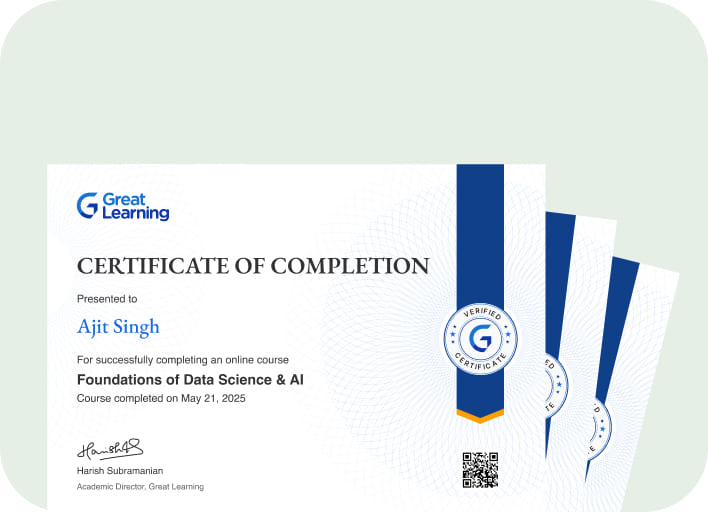
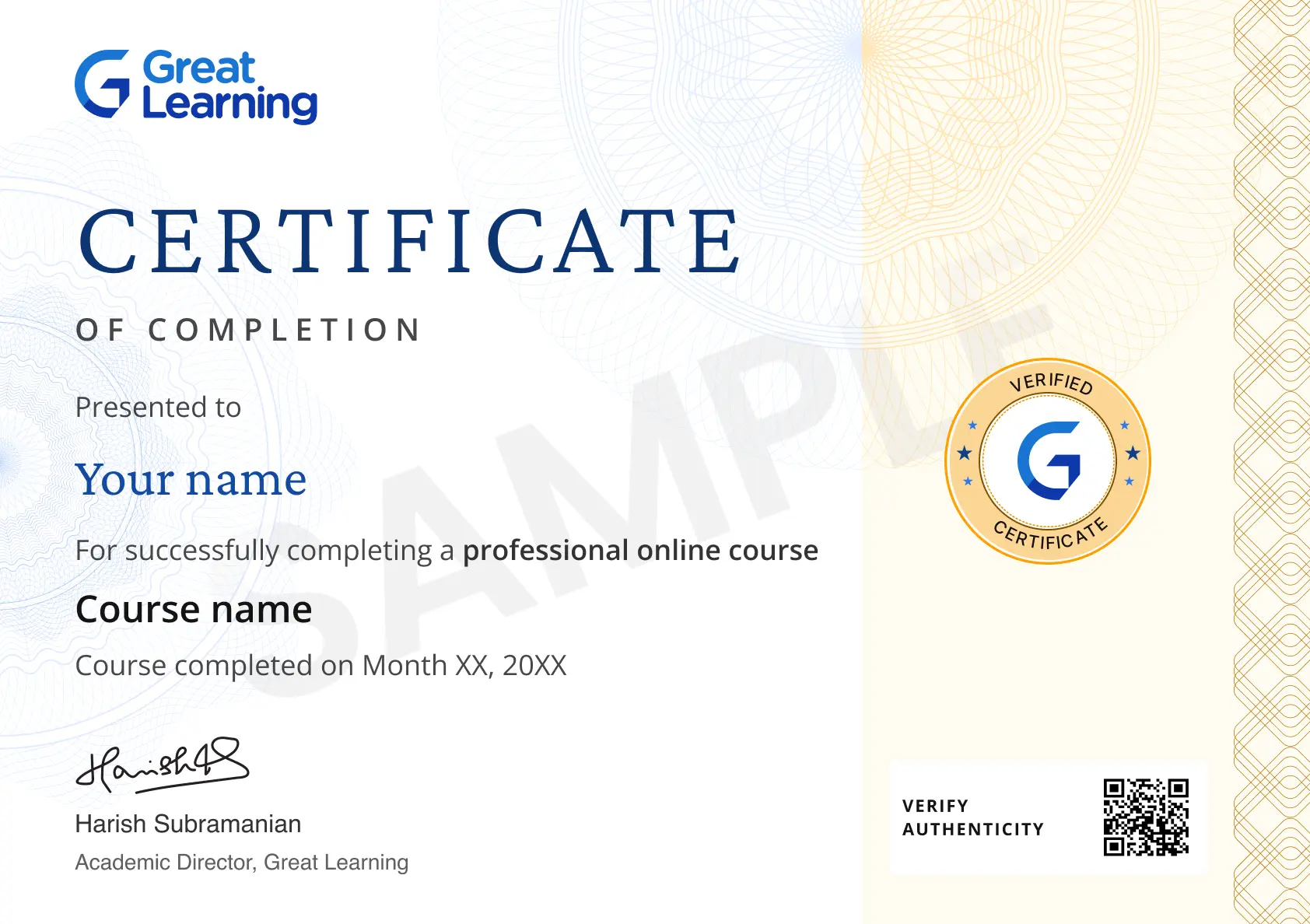
Stand out with an industry-recognized certificate

10,000+ certificates claimed, get yours today!

Get noticed by top recruiters

Share on professional channels

Globally recognised

Land your dream job

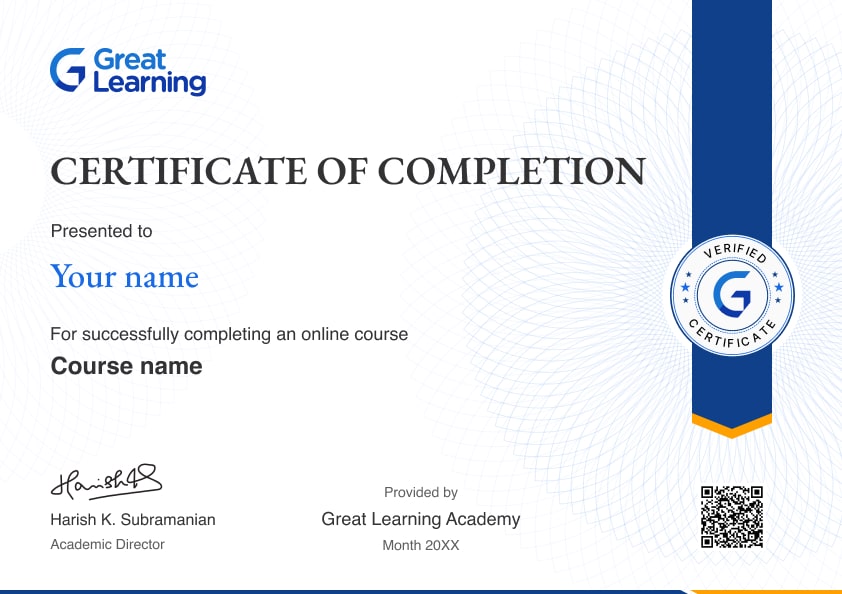
Certificate Image

Course outline

Understanding Estate Planning and Probate Fundamentals

In this module, you'll learn the purpose of estate planning, key roles such as testator, executor, trustee, and beneficiary, how probate courts function, intestate succession, the difference between probate and non-probate assets, and the legal capacity requirements for a valid plan.

Building the Core Estate Planning Documents

In this module, you'll learn how to draft a last will and testament, name executors and guardians, use durable powers of attorney and healthcare directives, coordinate beneficiary designations, execute wills validly with witnesses, and amend documents through codicils.

Structuring Trusts for Asset Protection and Transfer

In this module, you'll learn how trusts differ from wills, revocable and irrevocable trust structures, trust funding and asset titling, trustee duties, special needs and spendthrift trusts, pour-over wills, and strategies for avoiding probate.

Navigating the Probate Process Step by Step

In this module, you'll learn to open probate by filing a petition, appoint an executor or administrator, notify creditors and heirs, inventory and value assets, settle debts and claims, distribute property, and close the estate through final accounting.

Administering Estates: Executor and Fiduciary Duties

In this module, you'll learn fiduciary duties of loyalty and care, executor responsibilities, asset management and record-keeping, accounting to beneficiaries, handling real estate and business interests, managing digital assets, and executor compensation and liability.

Minimizing Tax Exposure Through Estate Planning

In this module, you'll learn how the taxable estate is calculated, estate tax exemptions and thresholds, gifting strategies, the marital deduction, asset valuation, charitable giving, basis step-up rules, and state-level estate and inheritance tax variations.

Resolving Disputes and Planning for Special Situations

In this module, you'll learn grounds for will contests, undue influence and capacity claims, mediating estate disputes, planning for blended families, special needs trusts, business succession planning, and guardianship for minors and incapacitated adults.

From Drafting to Legacy: Review, Technology, and Maintenance

In this module, you'll learn when to review and update an estate plan, how to manage digital assets, using estate planning software and AI-assisted drafting tools, working with an attorney, organizing documents, charitable legacy planning, and building a personal action plan.

Get access to the complete curriculum once you enroll in the course

Estate Planning and Probate

3.0 Hours

Beginner

Get free course content

Master in-demand skills & tools

Test your skills with quizzes

Trusted by 10 Million+ Learners globally

Frequently Asked Questions

What does the Estate Planning and Probate Course teach?

You will study wills, trusts, powers of attorney, probate administration, executor duties, taxes, disputes, special situations, digital assets, and estate-plan maintenance The opening module connects roles, asset.

How does the course distinguish probate from non-probate assets?

It explains how assets can pass through probate or through tools such as beneficiary designations and trusts, helping you see why ownership and titling matter You will compare document purpose with execution details,.

Which estate planning documents are covered?

The course discusses wills, codicils, durable powers of attorney, healthcare directives, beneficiary designations, trust documents, and valid witness execution Trust funding and asset titling receive practical.

What trust structures will you compare?

You will compare revocable and irrevocable trusts and study funding, asset titling, trustee duties, special-needs and spendthrift trusts, and pour-over wills The process follows filing, notice, inventory, claims,.

What are the main probate steps in this course?

You will follow a sequence from filing a petition and appointing a representative through creditor notice, asset inventory, debt settlement, distribution, and final accounting Fiduciary duties are tied to records,.

What fiduciary duties are explained?

The lessons cover duties of loyalty and care, asset management, record-keeping, beneficiary accounting, real estate and business interests, compensation, and liability Tax planning includes federal concepts and state.

Does the course include estate tax planning?

Yes. Topics include taxable estates, exemptions, gifting, marital deductions, valuation, charitable giving, basis step-up rules, and state tax differences The special-situations module links disputes, blended families,.

How does the course address blended families and special needs?

You will examine will contests, undue influence, capacity, mediation, blended-family planning, special-needs trusts, business succession, and guardianship The opening module connects roles, asset ownership, capacity,.

Is this estate planning course beginner-friendly?

It builds from core roles and documents to trusts, probate administration, taxes, disputes, and maintenance, so you can follow how the pieces fit together You will compare document purpose with execution details,.

What is a practical next step after this course?
Use the review and organization guidance to list your documents and questions, then consult a qualified attorney about the law governing your situation Trust funding and asset titling receive practical attention.

Subscribe to Academy Pro+ & get exclusive features

$29/month

No credit card required

Learn from 40+ Pro courses

Access 500+ certificates for free

700+ Practice exercises & guided projects

Prep with AI mock interviews & resume builder

Recommended Free Law courses

Enroll For Free