
Free Macroeconomics Course
Fundamentals of Macroeconomics
 4.27
Beginner level
1.5 learning hrs
4.27
Beginner level
1.5 learning hrs
Macroeconomics free online training gives you a steady path across financial terms, calculations, and decision signals, making the topic easier to review, apply, and revisit.

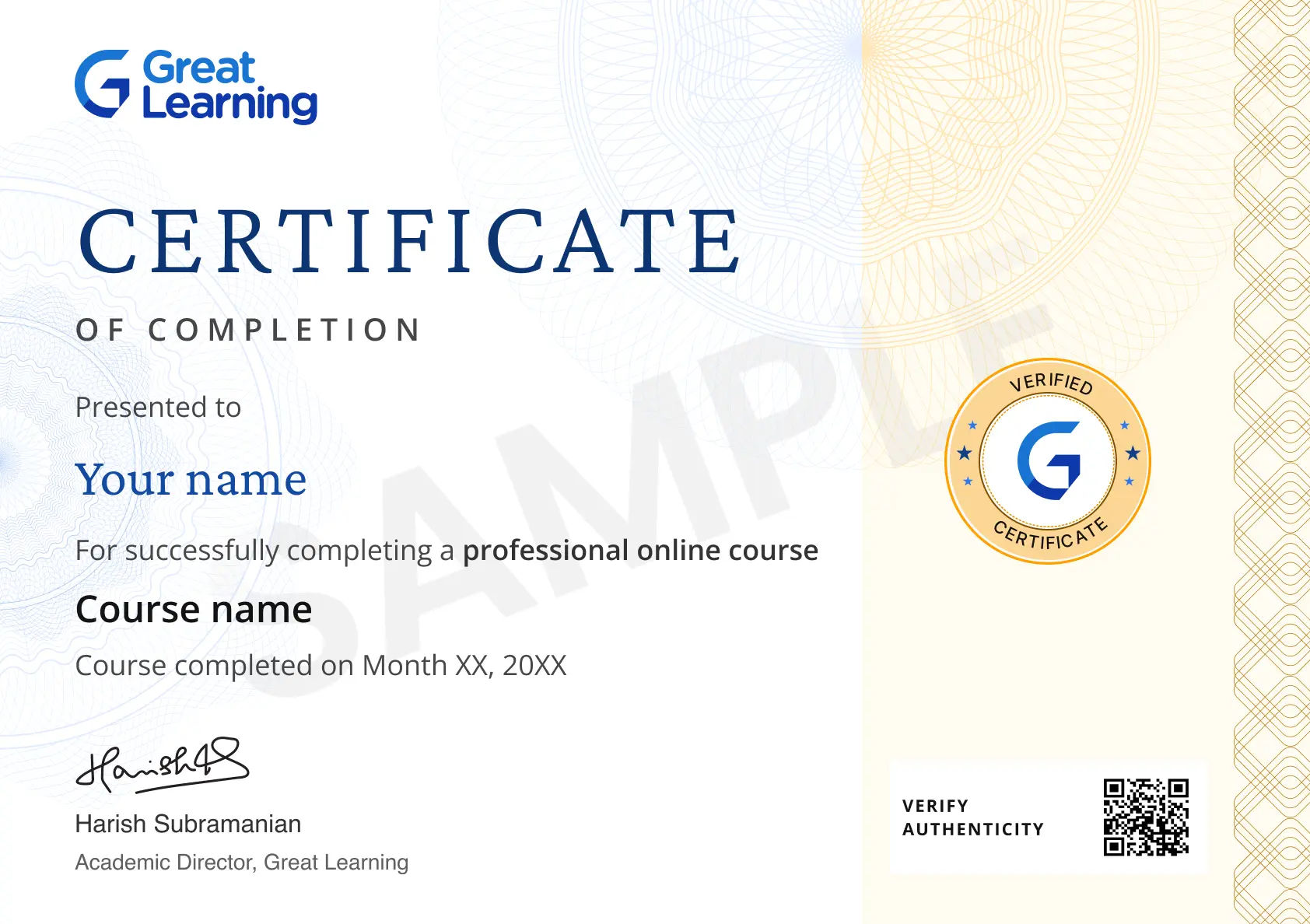


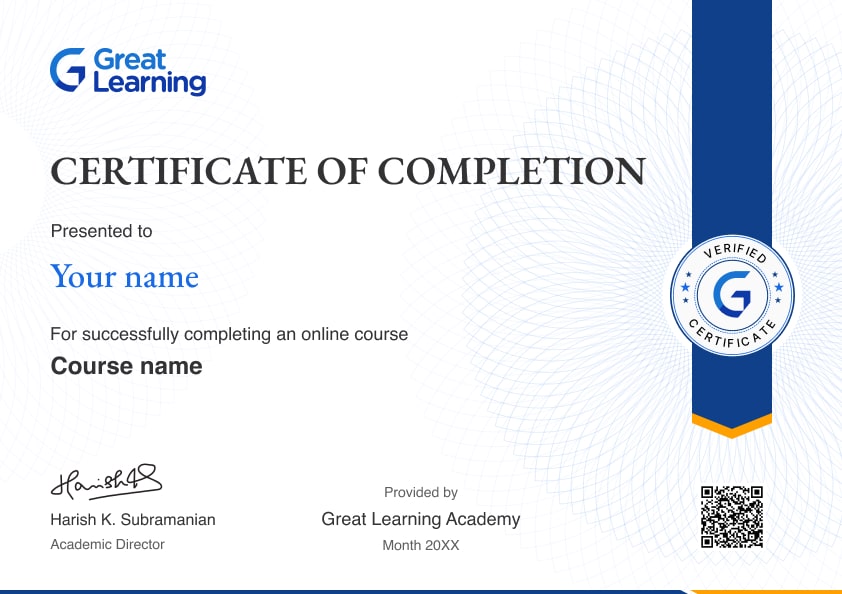


About this course
This free macroeconomics course is built for management students, professionals, and aspiring leaders who want the topic explained with context and usable examples. The course introduces decision context, process steps, stakeholder needs, and planning in a way that shows how the pieces work together. Instead of treating macroeconomics as a list of terms, it explains what to look for, how to reason through common tasks, and why the subject appears in real projects, teams, or business decisions.
The course is a good fit if you want to make better structured choices in workplace, study, or business situations. You can use it to prepare for assignments, interviews, workplace conversations, or a first hands-on project depending on your goal. After finishing, you should be able to explain the core idea of macroeconomics, recognize when it is relevant, and choose a sensible next step such as practice exercises, deeper tools, related frameworks, or a more advanced course.
Course outline
Basic concepts in Macroeconomics
This module explores the fundamental economic concepts, from Gross Domestic Product (GDP) and inflation to unemployment. It discusses the macroeconomic indicators shaping national economic scenarios and policy decisions.
Circular Flow of Income Model
This module explains how goods, services, and money circulate between households and businesses or between other economic agents. It projects the interconnectivity of economic agents and their roles in sustaining an equilibrium point.
The Three Runs
This module uncovers the significance of the Three Runs in the economic landscape – Expansion, Recession, and Recovery. It analyzes their interactions and how they influence economic activities, offering a holistic view of the complex relationships driving macroeconomic dynamics.
Get access to the complete curriculum once you enroll in the course
 4.27
4.27













Frequently Asked Questions
Will I receive a certificate upon completing this free course?
Is this course free?
What are the key concepts covered in Fundamentals of Macroeconomics?
The key concepts of this course are GDP, inflation, unemployment, fiscal and monetary policies, factors of production, economic sectors, and key markets.
What examples make Macroeconomics easier to learn online?
Why is understanding GDP important?
The economic condition of a nation can be measured by its GDP. So, this concept will help you learn about the country’s financial health.
How should I revise Macroeconomics after finishing the course?
How do monetary policies impact the economy?
Monetary policies can influence economic growth and regulate interest rates, money supply, and inflation.
What learner problem does Macroeconomics solve?
What are the key factors of production?
The key factors of production are land, labor, capital, and entrepreneurship.
Does Macroeconomics require prior experience?
How can the labor market shape the economy?
They influence resource allocation, income distribution, and overall economic efficiency.
How can Macroeconomics improve interview preparation?
What career paths do Fundamentals of Macroeconomics course open up?
This course teaches the skills necessary to become a good economist, financial analyst, policy analyst, and business manager.
Macroeconomics: what should I practice first?
Can this course help me comprehend real-world economic issues?
Yes, this course will help you gain practical knowledge to analyze and understand the complexities of national economic dynamics.
Is Macroeconomics better for beginners or experienced learners?
What comes after learning Macroeconomics online?
What is the practical implication of the Circular Flow of Income Model?
It illustrates the intricate relationships between different economic agents, offering an understanding of economic interdependencies.
What critical skills will I develop after this course?
This course imparts skills like analytical thinking, data interpretation, and decision-making that are highly sought-after in professional domains.
Why is learning the distinction between macro and microeconomics important?
Microeconomics deals with individual economic units, while macroeconomics focuses on the economy. Understanding their difference will offer you a comprehensive insight into economic forces.
Recommended Free Management courses
 FREE
FREE




Similar courses you might like




Related Management Courses

-
Sponsored

Great Lakes Institute of Management
Post Graduate Diploma in Management (Online)2 years · Online
Online MBA EquivalentKnow More
-
Walsh College
Doctor of Business Administration in General Management3 Years · Online
Top 10 best online DBA DegreeKnow More
-
Great Lakes Executive Learning
Executive PG Program in Management12 months · Online
Certificate from Great LakesKnow More