Free ISO 22000 Food Safety Course

ISO 22000 Food Safety Management

Beginner level 3.0 learning hrs

A food safety plan needs a way to show that its controls are working. Enroll in this free ISO 22000 course to see how hazard analysis, monitoring, and traceability support that work.
Key Highlights

Get free course content

Master in-demand skills & tools

Test your skills with quizzes

About this course

Follow a food safety concern from hazard analysis to product traceability in this free ISO 22000 course. The lessons show where routine measures such as sanitation and supplier checks fit before a team draws up a hazard control plan. You then learn how a team identifies hazards and decides which points in a process need specific controls. If you’re new to food safety management, this sequence helps you see how everyday routines support the decisions that go into the plan.


The traceability lessons pick up what happens when a product problem surfaces. You study how a team connects the affected product to its records and where that information fits into withdrawal and recall planning. The course also shows how monitoring and internal audits give a food safety team information to review. You can use that progression to understand what the team checks during operations and what it looks at when reviewing the system as a whole.

Stand out with an industry-recognized certificate

10,000+ certificates claimed, get yours today!

Get noticed by top recruiters

Share on professional channels

Globally recognised

Land your dream job

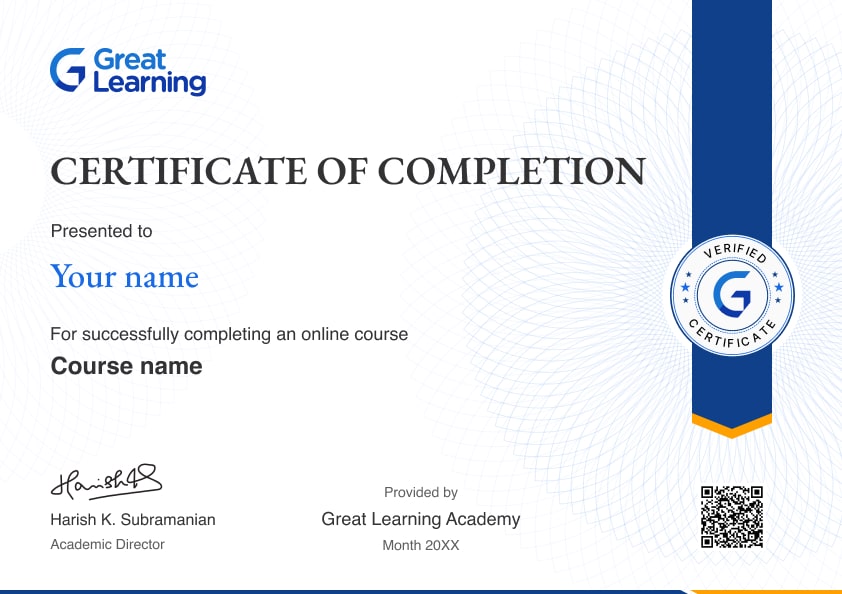
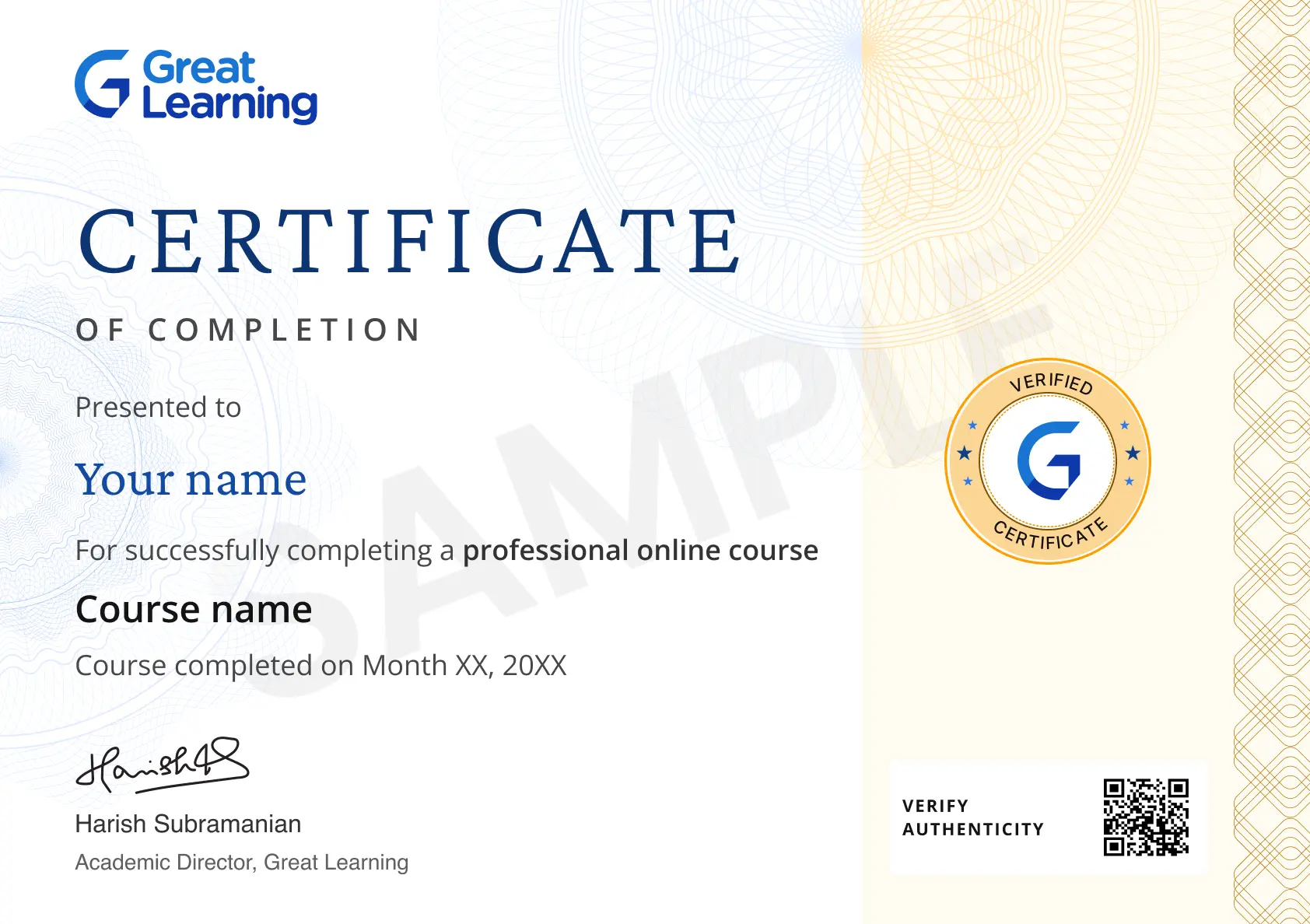
Certificate Image

Course outline

Understanding ISO 22000 and the Food Safety Landscape

In this module, you'll learn the purpose and structure of ISO 22000:2018, the High Level Structure, risk-based thinking, the PDCA cycle, how ISO 22000 relates to Codex Alimentarius HACCP, and defining the scope and context of your food safety management system.

Building Leadership Commitment and FSMS Planning

In this module, you'll learn top management's role in leadership and commitment, setting a food safety policy and objectives, defining organizational roles and responsibilities, forming the food safety team, and planning to address risks and opportunities.

Establishing Support Processes and Documentation Control

In this module, you'll learn resource management, competence and training requirements, awareness and communication practices, infrastructure and work environment controls, and documented information control within your FSMS.

Controlling Prerequisite Programs Across the Food Chain

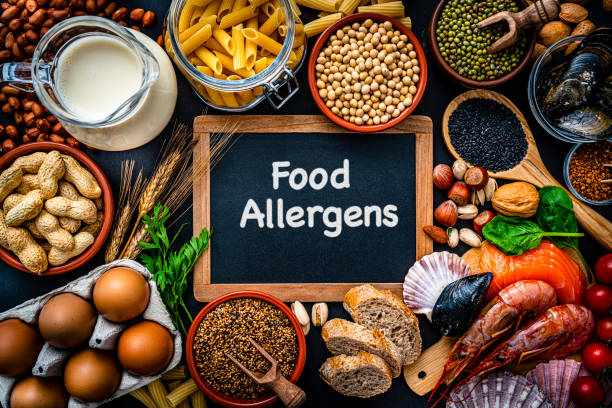
In this module, you'll learn prerequisite programs per ISO/TS 22002-1, facility design and layout, cleaning and sanitation programs, pest control, personal hygiene requirements, supplier and purchasing control, allergen management, and food defense and food fraud mitigation.

Mastering Hazard Analysis and Critical Control Points

In this module, you'll learn the Codex HACCP principles, conducting hazard analysis, identifying critical control points and operational prerequisite programs, setting critical limits, and building the hazard control plan.

Operationalizing Traceability and Emergency Preparedness

In this module, you'll learn operational planning and control, building a traceability system, emergency preparedness and response, control of monitoring and measuring equipment, controlling nonconforming product, and withdrawal and recall procedures.

Driving Performance Through Monitoring and Continual Improvement

In this module, you'll learn monitoring, measurement, analysis and evaluation of the FSMS, planning internal audits, conducting management review, handling nonconformities and corrective action, and driving continual improvement.

From Gap Analysis to Certification and Supply Chain Assurance

In this module, you'll learn to run a gap analysis, build an implementation roadmap, prepare for Stage 1 and Stage 2 certification audits, understand FSSC 22000 and GFSI benchmarking, and maintain certification through supply chain communication.

Get access to the complete curriculum once you enroll in the course

ISO 22000 Food Safety Management

3.0 Hours

Beginner

Get free course content

Master in-demand skills & tools

Test your skills with quizzes

Trusted by 10 Million+ Learners globally

Frequently Asked Questions

How does the course connect HACCP with ISO 22000?

The opening lesson relates ISO 22000 to the Codex approach to hazard analysis and critical control points, or HACCP. Later, you use those principles to understand how a hazard control plan is organized.

What are prerequisite programs in the food safety lessons?

They are routine conditions and practices that support food safety, such as cleaning, personal hygiene, and pest control. The course introduces them before the lessons on controlling specific hazards.

Does the course teach supplier checks as part of food safety management?

The prerequisite programs module includes supplier and purchasing controls. It shows where those checks fit alongside measures a facility manages on site.

What will I learn about critical control points?

The hazard analysis module covers how teams identify critical control points and set critical limits when building a hazard control plan. You learn where those decisions fit in the overall analysis.

Why does the course cover monitoring equipment?

Teams rely on monitoring and measuring equipment to check a process. The operational lessons cover equipment control alongside traceability and how teams handle product problems.

How does traceability support recall planning in the course?

The operational module connects traceability records with withdrawal and recall procedures. You see why a team needs to be able to identify the product involved when a problem is found.

Is the course relevant if I help maintain food safety records?

Yes. The support module introduces document control alongside training and communication. It gives you context for how the records you handle support the wider management system.

What does an internal audit cover in the food safety management lessons?

The performance module introduces audit planning as part of evaluating the food safety management system. It also covers management review and corrective action as ways to follow up on performance issues.

How does the course introduce a gap analysis?

The final module uses gap analysis to compare existing practices with the intended system and identify what needs work. It then connects those findings to an implementation plan.

Who is responsible for setting food safety objectives in the lessons?

The planning module covers leadership’s role in setting policy and objectives. It also explains why an organization defines responsibilities and forms a food safety team.

Subscribe to Academy Pro+ & get exclusive features

$29/month

No credit card required

Learn from 40+ Pro courses

Access 500+ certificates for free

700+ Practice exercises & guided projects

Prep with AI mock interviews & resume builder

Enroll For Free