Free ISO 42001 AI Management Course

ISO 42001 AI Management Systems

Beginner level 3.0 learning hrs

Before a team can assess an AI system’s risks, it needs to know who is responsible for it. Join this free ISO 42001 course to see how AI policies, oversight roles, and risk reviews fit together.
Key Highlights

Get free course content

Master in-demand skills & tools

Test your skills with quizzes

About this course

Explore who reviews an AI system and what they look at in this free ISO 42001 course. Start with the scope of an AI management system, which describes which parts of an organization’s AI work the system covers. From there, you learn how an AI policy and assigned responsibilities help a team decide who will assess a risk and who will review how it is handled. That sequence gives you a starting point if you’re new to AI governance and have been asked to join a risk discussion.


The course carries that discussion into the AI system lifecycle. You see how checks before deployment relate to monitoring after a system is in use, then look at what an internal audit can tell a team about how its management system is working. The closing gap analysis lessons show how to compare current practices with the intended management system and use the findings to plan improvements.

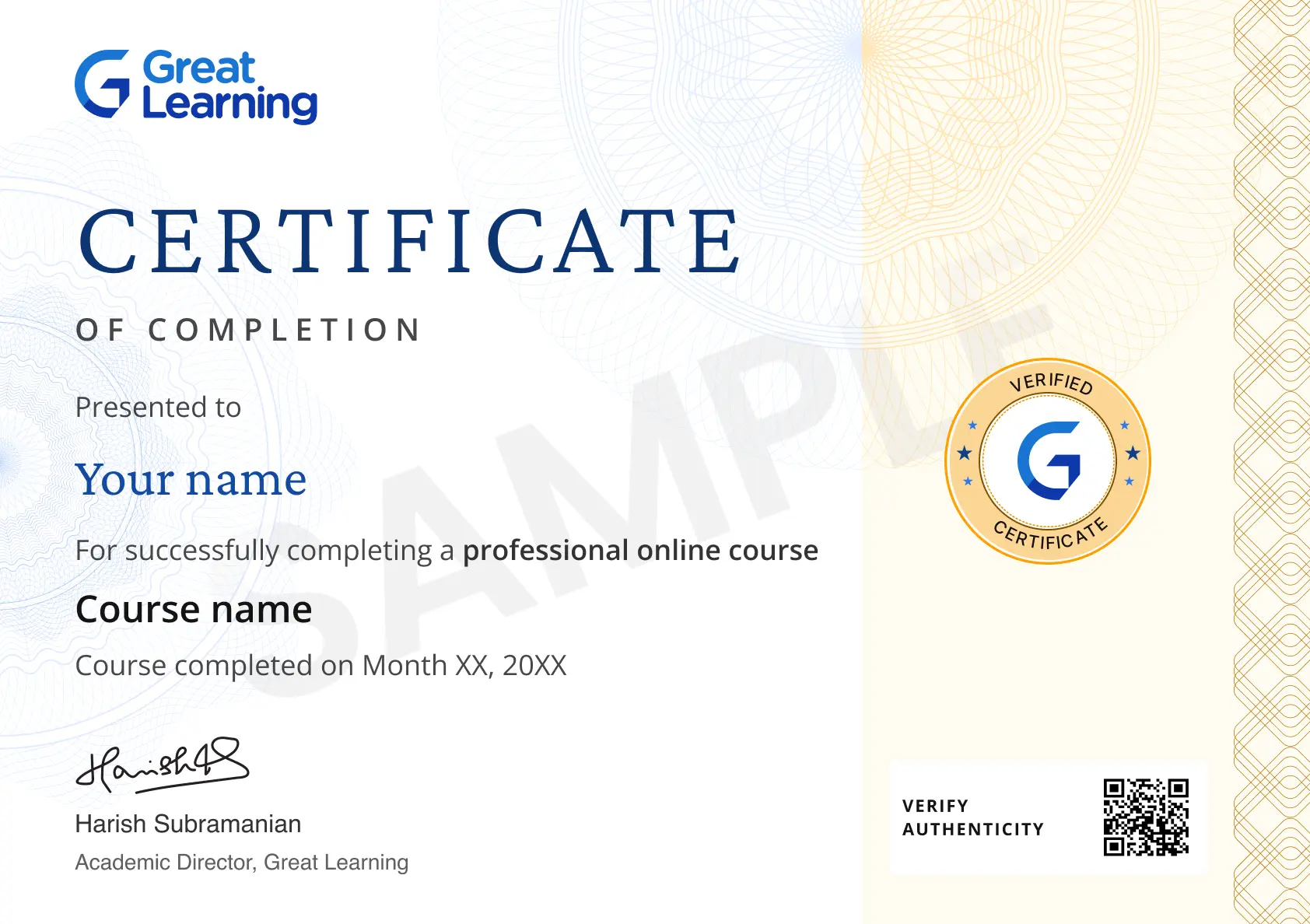
Stand out with an industry-recognized certificate

10,000+ certificates claimed, get yours today!

Get noticed by top recruiters

Share on professional channels

Globally recognised

Land your dream job

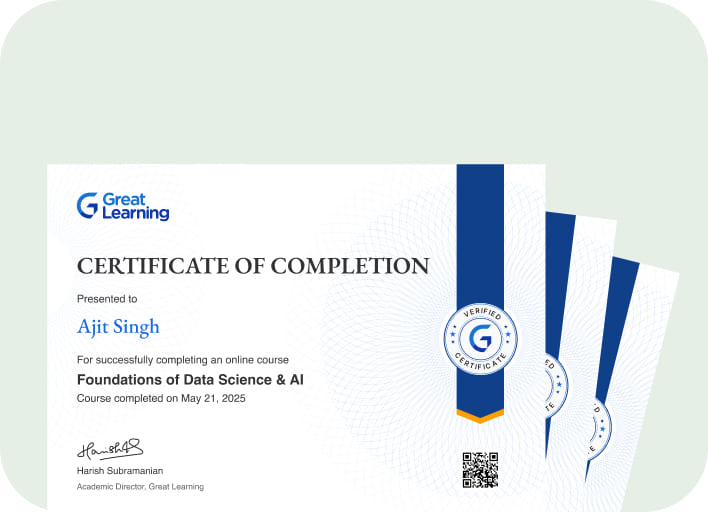
Certificate Image

Course outline

Understanding ISO/IEC 42001 and the AI Management System Landscape

In this module, you'll learn the purpose and structure of ISO/IEC 42001, key AI management system terminology, the Plan-Do-Check-Act cycle, risk-based thinking, how AIMS relates to ISO/IEC 27001 and ISO 9001, and the global AI regulatory landscape.

Establishing Context and Leadership for AI Governance

In this module, you'll learn how to determine organizational context, identify interested parties, define AIMS scope, secure top management commitment, establish an AI policy, and assign governance roles and responsibilities.

Planning AI Risk Management and Objectives

In this module, you'll learn AI risk assessment and treatment, alignment with ISO/IEC 23894, AI system impact assessment, the Statement of Applicability, setting AI management objectives, and planning for change.

Building Organizational Support for AI Governance

In this module, you'll learn resource planning, competence and AI literacy building, awareness programs, internal and external communication, and control of documented information for an AI management system.

Operationalizing the AI System Lifecycle

In this module, you'll learn operational planning and control, the AI system lifecycle from design to decommissioning, verification and validation, deployment monitoring, and AI system impact assessment in practice.

Controlling Data, Third Parties, and Responsible AI Use

In this module, you'll learn data quality and provenance controls, third-party and supplier management, transparency obligations, human oversight controls, responsible use of AI systems, and incident reporting.

Evaluating Performance Through Monitoring and Internal Audit

In this module, you'll learn AIMS performance monitoring, internal audit planning and execution, management review, nonconformity identification, and continual tracking of regulatory change.

From Gap Analysis to Certification and Continual Improvement

In this module, you'll learn to run a gap analysis, build an implementation roadmap, manage corrective action and root cause analysis, prepare for Stage 1 and Stage 2 certification audits, and sustain continual improvement.

Get access to the complete curriculum once you enroll in the course

ISO 42001 AI Management Systems

3.0 Hours

Beginner

Get free course content

Master in-demand skills & tools

Test your skills with quizzes

Trusted by 10 Million+ Learners globally

Frequently Asked Questions

What does an AI management system cover in this course?

The first two modules introduce how an organization sets policies for its AI work, assigns responsibilities, and defines which activities fall within the system’s scope.

Is this AI governance course a fit if I’m new to risk discussions?

The course begins with management system terms and the roles people play in AI oversight. Those lessons give you a starting vocabulary before you reach risk assessment.

Where does the course explain AI policy ownership?

The leadership module covers management commitment, setting an AI policy, and assigning governance roles. It ties those responsibilities to the scope the organization has defined.

How do the lessons distinguish AI risk and impact assessments?

Risk assessment is taught alongside decisions about how to address risk. Impact assessment looks at the effects of an AI system and reappears in the lessons on operating that system.

Where does the Statement of Applicability fit in the course?

The planning module introduces it alongside AI risk assessment and decisions about how to address risks. It gives you a way to study how teams document which controls apply.

Will I learn what teams review after deploying an AI system?

The lifecycle lessons place deployment monitoring in the sequence from design to retirement. You see where ongoing checks fit after verification and validation.

What will I learn about reviewing data used by an AI system?

The data controls lesson covers quality and provenance, meaning where the data came from. Those topics give you two questions to consider when studying data oversight.

Does the course explain human oversight of AI systems?

Human oversight appears in the responsible use lessons alongside transparency and incident reporting. You study how people remain involved in overseeing AI use.

How do internal audits and management reviews fit together?

The performance module teaches internal audits as a way to examine how the system is working. It covers management review as a separate step where leadership evaluates performance.

What can I study after the AI management system basics?
The final module moves into gap analysis and implementation planning. It also covers corrective action and root cause analysis, so you can see how teams follow up on issues they identify.

Subscribe to Academy Pro+ & get exclusive features

$29/month

No credit card required

Learn from 40+ Pro courses

Access 500+ certificates for free

700+ Practice exercises & guided projects

Prep with AI mock interviews & resume builder

Enroll For Free