Free Locksmith Course

Introduction to Locksmithing

Beginner level 3.75 learning hrs

This free locksmith course connects lock hardware with the responsibilities of authorized work. Enroll to understand key systems, installation concepts, and client verification before pursuing supervised practical training.
Key Highlights

Get free course content

Master in-demand skills & tools

Test your skills with quizzes

About this course

A free locksmith course introduces locksmithing through lock hardware, key systems, and the responsibilities attached to access. You learn how common lock types differ and why a professional needs to understand a client's authority before work begins. Key system training connects terminology with controlled records and quality checks, helping you see that a working key is only one part of responsible service.


The locksmith course for beginners also introduces installation, rekeying, and security assessment at a foundation level. You study the purpose of appropriate tools and professional decision-making without treating an online overview as permission to access someone else's property. Business topics connect liability and local requirements with customer communication. You gain a clearer view of the learning and supervision needed for the trade; practical entry methods and real access work require proper authorization, suitable training, and applicable permissions.

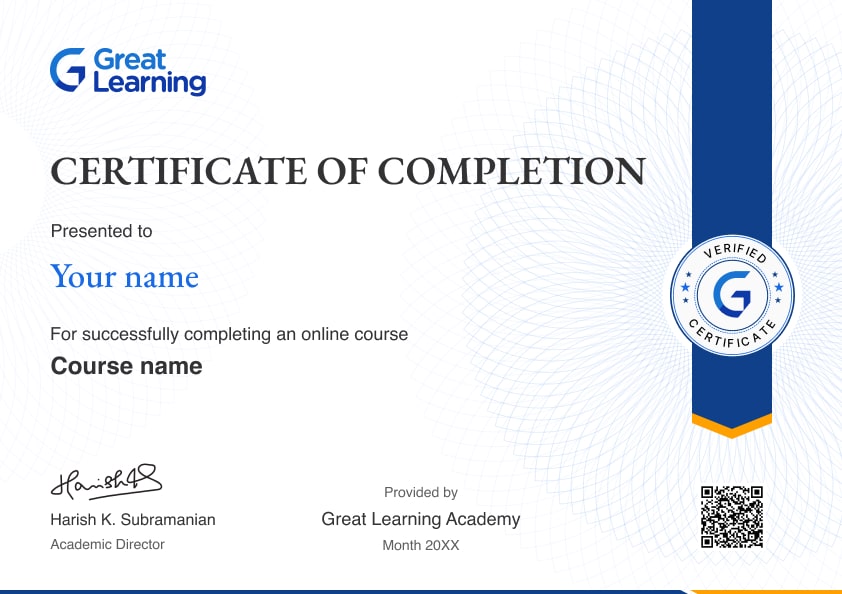
Stand out with an industry-recognized certificate

10,000+ certificates claimed, get yours today!

Get noticed by top recruiters

Share on professional channels

Globally recognised

Land your dream job

Certificate Image

Introduction to Locksmithing

3.75 Hours

Beginner

Get free course content

Master in-demand skills & tools

Test your skills with quizzes

Trusted by 10 Million+ Learners globally

Frequently Asked Questions

What does the free locksmith course introduce about the trade?

You study hardware, keys, installation concepts, and professional responsibilities. The course gives a foundation for further training while keeping authorization and appropriate supervision central to any real access work.

How does the locksmith course for beginners compare lock types?

The source introduces several mechanical lock types and common hardware terms. You learn to recognize their roles and differences without receiving a qualification to assess or service every lock system independently.

Why is authorization important in locksmith learning?

Professional ethics are part of the curriculum because access work affects another person's property and security. Learning the trade does not itself provide permission to open, alter, or service a lock.

What will I learn about key systems?

Key topics introduce identification, duplication concepts, restricted keyways, and master-key arrangements. You study why records and authorization matter without a promise of competence to create or modify a real system.

Does the course cover selecting a locksmith toolkit?

The outline introduces tool categories, workshop preparation, and maintenance. You learn their place in the trade, while practical selection and use should follow authorized training rather than an assumption that tools confer skill.

How are installation and rekeying described in the course?

The curriculum introduces these as different service concepts involving hardware and key access. You gain vocabulary for further supervised learning without treating an overview as instructions for altering another person's security.

What is included in physical security awareness?

Security topics consider residential and commercial needs, hardware, and electronic access concepts. You learn why an assessment considers layers and client requirements rather than judging protection from one lock alone.

Are electronic access systems part of the learning?

The source introduces electronic locks and access-control integration. You study their relationship to physical security without assuming that the course grants system access or qualifies you to configure a live installation.

What business responsibilities does the course discuss?

The final topics include pricing, liability insurance, and professional development. You learn why customer communication and local requirements matter alongside practical skills, without a guarantee of employment or business success.

What should I do before attempting practical locksmith work?

Use introductory learning to identify the training, supervision, and permissions a task requires. Practical access work must be authorized by the appropriate owner or responsible party and follow applicable local requirements.

Subscribe to Academy Pro+ & get exclusive features

$29/month

No credit card required

Learn from 40+ Pro courses

Access 500+ certificates for free

700+ Practice exercises & guided projects

Prep with AI mock interviews & resume builder

Enroll For Free