Free Marine Engineering Course

Marine Engineering and Ship Systems

Beginner level 3.0 learning hrs

The free marine engineering course takes you inside a ship's machinery systems to see what keeps them running. Join to understand how propulsion and supporting equipment work together and what routine monitoring can reveal.
Key Highlights

Get free course content

Master in-demand skills & tools

Test your skills with quizzes

About this course

The free marine engineering course introduces the machinery that helps a merchant ship move and operate at sea. You compare two-stroke and four-stroke diesel engines, then follow how fuel and lubricating oil support their work. Boilers and auxiliary machinery add another layer to that picture. Seeing how the systems depend on one another helps you make sense of an engine room layout.


You then study how shipboard electrical power, alarms, and automation help crews monitor equipment. Maintenance lessons explain what vibration or oil analysis can reveal and how those observations inform planned work. Safety and environmental topics place that machinery within the international rules ships operate under. For a beginner considering further marine engineering training, the course gives you a clearer view of the systems and responsibilities you would study next.

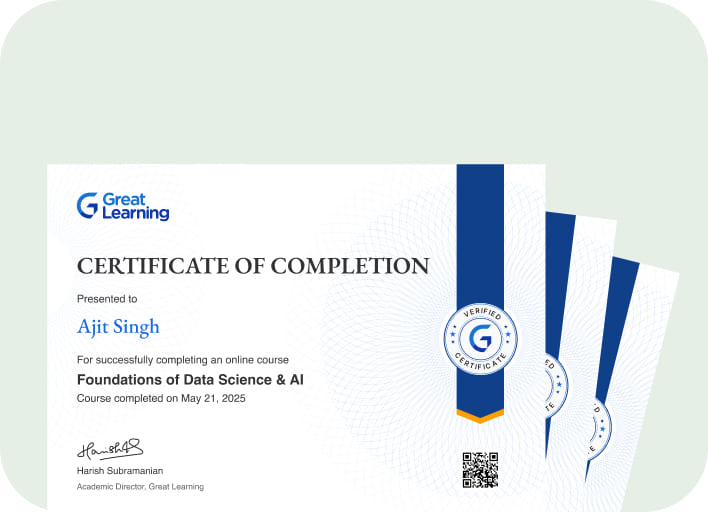
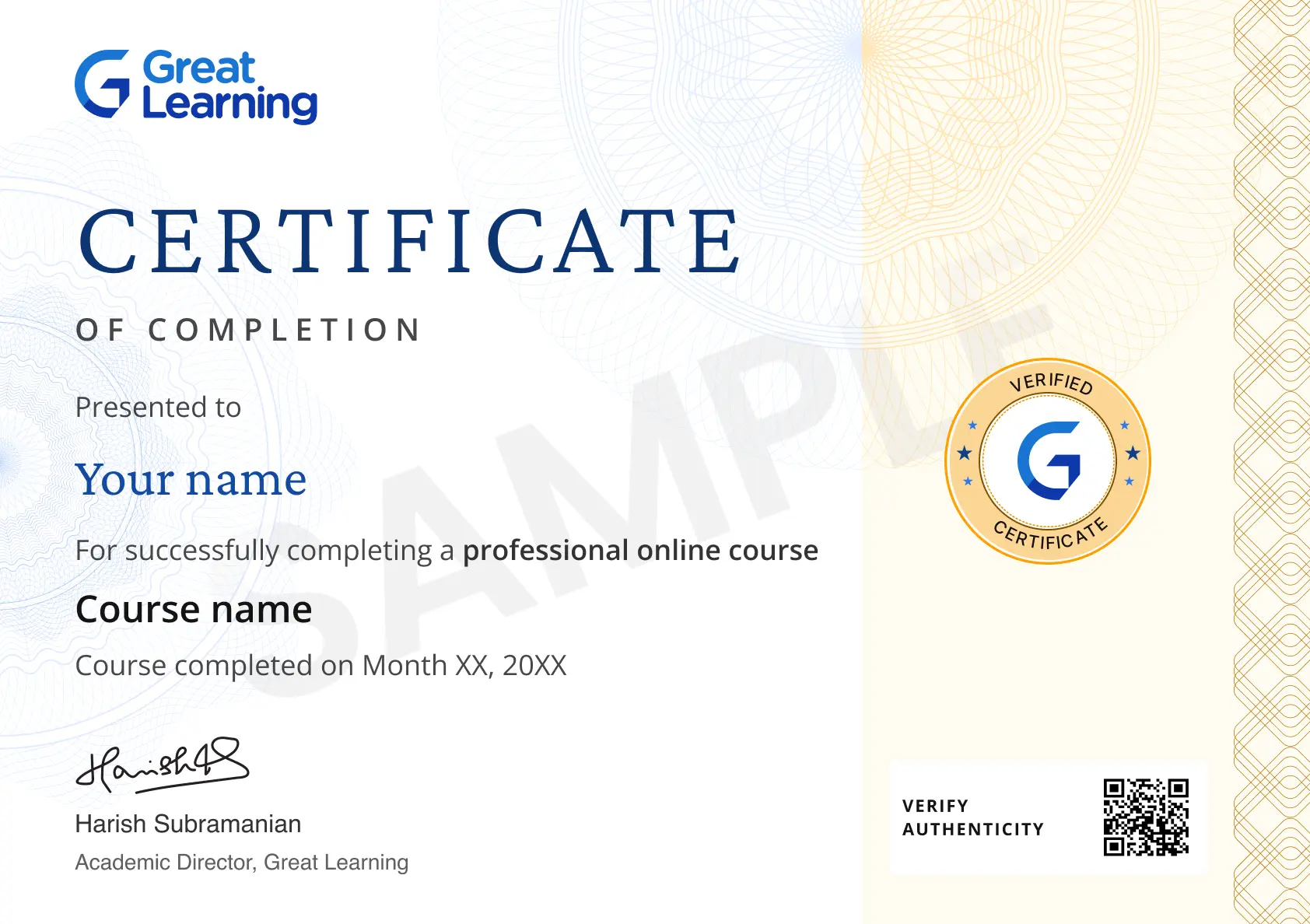
Stand out with an industry-recognized certificate

10,000+ certificates claimed, get yours today!

Get noticed by top recruiters

Share on professional channels

Globally recognised

Land your dream job

Certificate Image

Marine Engineering and Ship Systems

3.0 Hours

Beginner

Get free course content

Master in-demand skills & tools

Test your skills with quizzes

Trusted by 10 Million+ Learners globally

Frequently Asked Questions

What kind of vessel does the free marine engineering course focus on?

The opening lessons introduce merchant vessels and the marine engineer's role. You use that setting to understand where the main engine, electrical equipment, and supporting machinery fit on a ship.

Why compare two-stroke and four-stroke marine engines?

You study how their operating cycles and designs differ. This gives you a way to understand the relationship between the main engine's components, fuel supply, lubrication, and the work it performs.

What do boilers contribute to a ship's machinery systems?

The steam lessons introduce boiler types and their supporting equipment. You look at how feedwater, safety devices, and maintenance affect operation, helping you understand a system beyond the main engine.

How do bilge and ballast systems serve different purposes?

The auxiliary machinery lessons distinguish managing water that collects inside a vessel from using ballast to support its condition and operation. You study both as part of the wider shipboard system.

What do you learn about electrical power at sea?

You look at how a ship generates and distributes electricity through alternators and switchboards. The lessons help you see why machinery monitoring and dependable power are closely connected on board.

How can alarms help an engine room team?

The automation lessons explain how monitoring systems bring equipment information to the control room. You learn why an alarm needs to be interpreted alongside operating conditions before deciding what to check.

What can condition monitoring tell you about machinery?

You study examples such as vibration and oil analysis. These techniques help you understand how changes in equipment condition can guide maintenance planning before a fault becomes a larger problem.

Where do pollution prevention rules enter the course?

The safety and environmental lessons introduce MARPOL alongside shipboard systems. You see why handling waste and controlling emissions are part of understanding how a vessel's machinery is operated.

Why do ships need planned maintenance and spare parts records?

The reliability lessons connect scheduled work with equipment condition and available spares. You learn why a crew needs clear records to plan a repair and prepare for surveys or time in dry dock.

Does the course introduce newer propulsion approaches?
The final lessons discuss low-carbon fuels, LNG, and hybrid propulsion. You compare their place in marine engineering with familiar diesel systems to understand what further study in this area may involve.

Subscribe to Academy Pro+ & get exclusive features

$29/month

No credit card required

Learn from 40+ Pro courses

Access 500+ certificates for free

700+ Practice exercises & guided projects

Prep with AI mock interviews & resume builder

Enroll For Free