Free Six Sigma Green Belt Course

Six Sigma Green Belt

Beginner level 3.0 learning hrs

Enroll in the free Six Sigma Green Belt course to see how evidence guides a process improvement project. You learn to question the quality of a measurement, investigate a cause, and decide how to check a proposed change.
Key Highlights

Get free course content

Master in-demand skills & tools

Test your skills with quizzes

About this course

The free Six Sigma Green Belt course focuses on how you decide whether evidence supports a process change. You start by defining the problem and the result the customer needs. Measurement system analysis then helps you question whether the data is dependable enough to use. Process capability and variation give you further ways to describe how the process performs against its requirements.


As you move into analysis, the course introduces hypothesis testing and the difference between correlation and causation. These ideas help you examine an explanation before treating it as the cause of a problem. Improvement lessons cover choosing solutions and running a pilot, followed by control plans and response rules. You also study how to hand ownership back to the process team so a project has a practical route from its first charter to sustained day-to-day use.

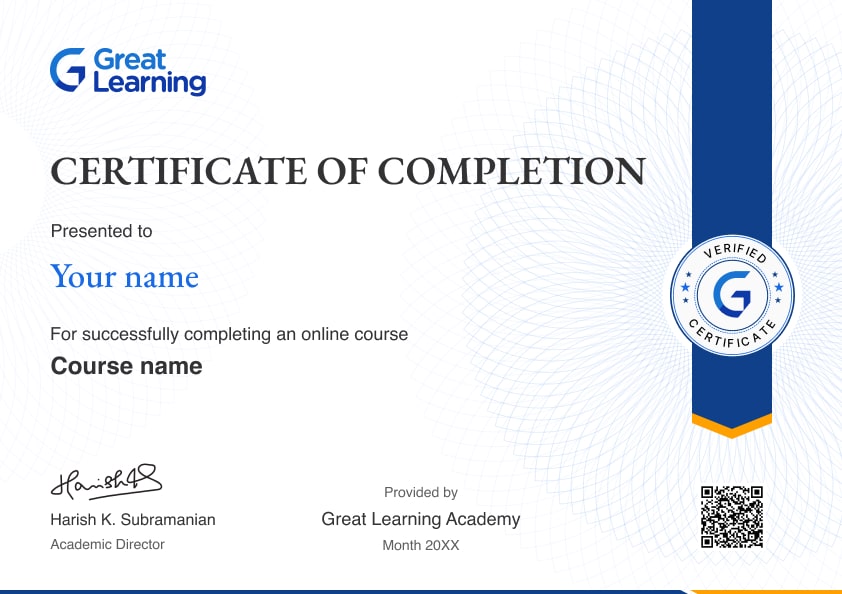
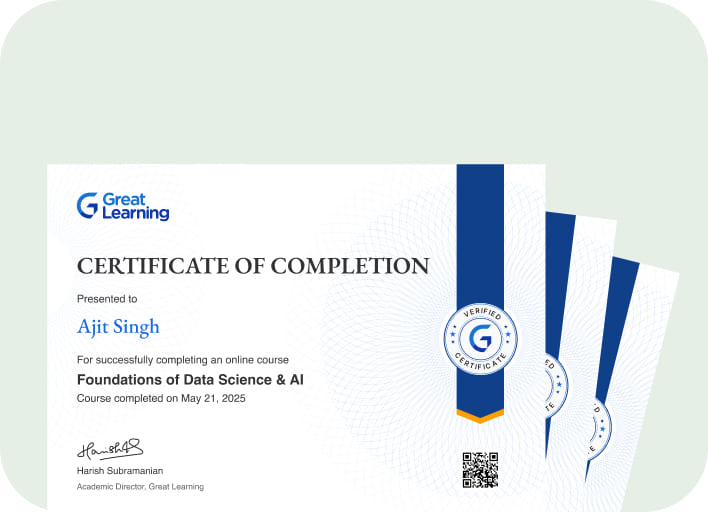
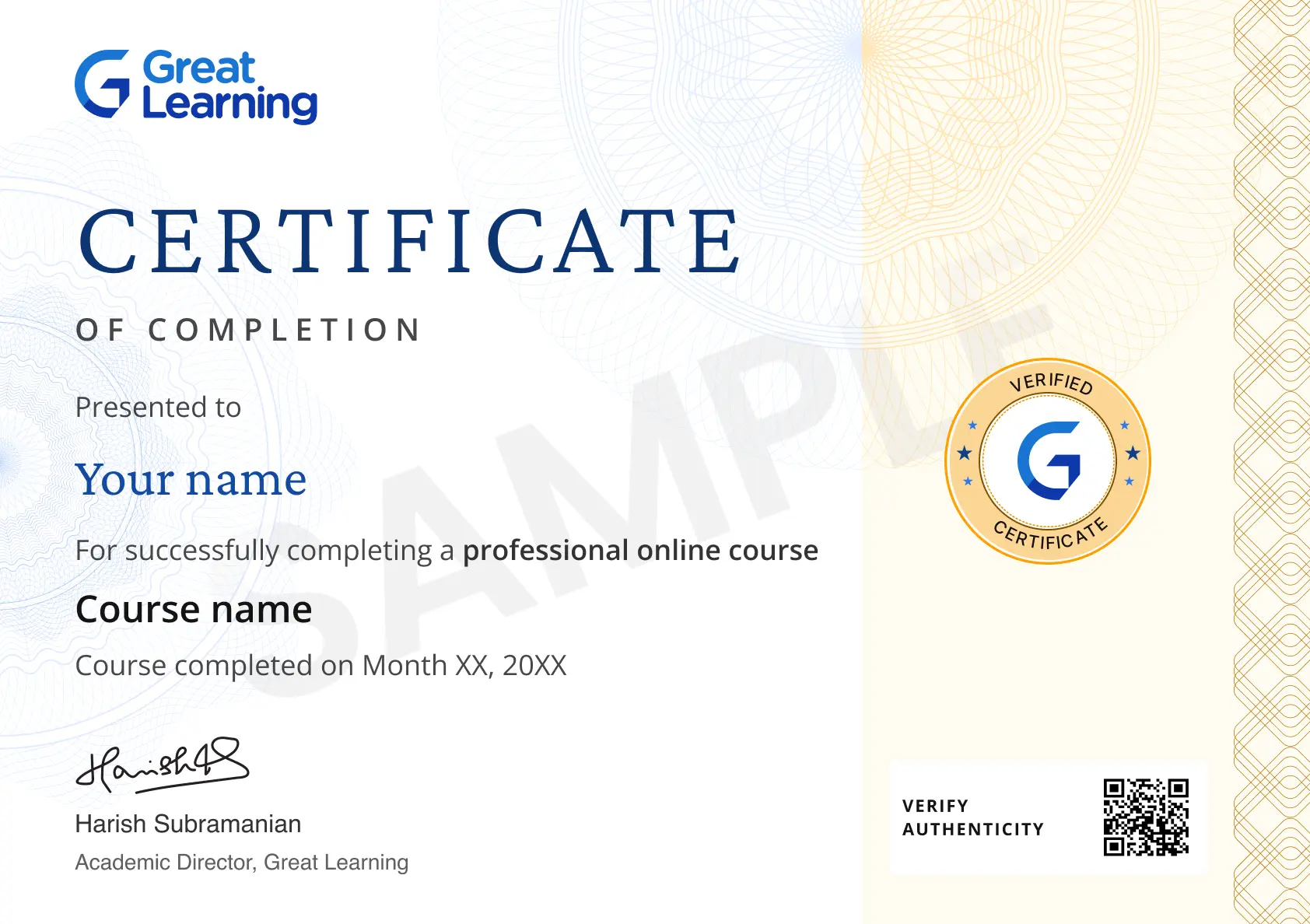
Stand out with an industry-recognized certificate

10,000+ certificates claimed, get yours today!

Get noticed by top recruiters

Share on professional channels

Globally recognised

Land your dream job

Certificate Image

Six Sigma Green Belt

3.0 Hours

Beginner

Get free course content

Master in-demand skills & tools

Test your skills with quizzes

Trusted by 10 Million+ Learners globally

Frequently Asked Questions

What does the free Six Sigma Green Belt course emphasize?

You study how a project team uses evidence through Define, Measure, Analyze, Improve, and Control. The focus is on understanding the decisions behind the tools and how those decisions support a process improvement.

Why examine the measurement system before analyzing process data?

A measurement can vary because of how it is collected as well as what is being measured. The course introduces measurement system analysis so you can question whether the data is dependable enough for the decision.

How do Cp and Cpk relate to process capability?

The capability lessons introduce how process spread and centering relate to requirements. You learn why a team needs to consider both when discussing whether the process can consistently produce an acceptable result.

What does the course teach about hypothesis testing?

You learn the idea of using data to examine a claim about a process. The analysis lessons help you understand why an observed difference needs interpretation before a team decides that a change had an effect.

Why is correlation different from proving a cause?

Two measures can move together for several reasons. The course helps you ask what other explanations might account for the pattern before deciding that changing one measure will change the other.

What can a failure mode analysis add to root cause work?

You look at how potential failures, their effects, and their causes can be examined systematically. This gives the team another way to prioritize risks when deciding which process issue needs attention.

How do Lean tools support the Improve phase?

The course uses tools such as 5S and mistake-proofing to consider practical changes. You learn to connect a proposed solution with the cause it addresses and then check that connection through a pilot.

What is the difference between control limits and specification limits?

Control limits describe observed process behavior, while specifications describe what the result needs to meet. You study why a team can misunderstand performance if it treats those two boundaries as interchangeable.

How can a response plan help after a project closes?

A response plan explains what the process owner should do when monitoring shows a problem. You learn why a control chart needs a practical follow-up process as well as someone assigned to review it.

What belongs in the handoff to the process owner?

You study how standard work, control plans, and lessons learned support the handoff. The closure lessons help you see why the owner needs enough information to sustain the result after the project team moves on.

Subscribe to Academy Pro+ & get exclusive features

$29/month

No credit card required

Learn from 40+ Pro courses

Access 500+ certificates for free

700+ Practice exercises & guided projects

Prep with AI mock interviews & resume builder

Related Management Courses

50% Average salary hike
Explore degree and certificate programs from world-class universities that take your career forward.
Personalized Recommendations
checkmark icon
Placement assistance
checkmark icon
Personalized mentorship
checkmark icon
Detailed curriculum
checkmark icon
Learn from world-class faculties
  • Personalized Recommendations

    Placement assistance

    Personalized mentorship

    Detailed curriculum

    Learn from world-class faculties

    50% Average salary hike
  • Know More

Enroll For Free