Free Total Productive Maintenance Course

Total Productive Maintenance (TPM) for Production and Quality Systems

Beginner level 3.0 learning hrs

Enroll in the free total productive maintenance course to learn how operators and maintenance teams share equipment care. You'll use production loss examples to see why a machine can run and still miss its output target.
Key Highlights

Get free course content

Master in-demand skills & tools

Test your skills with quizzes

About this course

In this free total productive maintenance course, you look at what happens when a machine stops, runs slowly, or produces defects. These losses give you a reason to learn the eight pillars of TPM rather than memorize them in isolation. You see how operators use autonomous maintenance for basic checks and how planned maintenance supports work that needs a different schedule or level of skill.


The course uses overall equipment effectiveness to connect availability, performance, and quality. You can use that breakdown to ask whether a loss comes from downtime, slower production, or rejected output. Lessons on quality maintenance and kaizen show how a team can investigate and improve one recurring issue. You finish by looking at how a site can pilot TPM on a limited scale and decide what to carry into the next area.

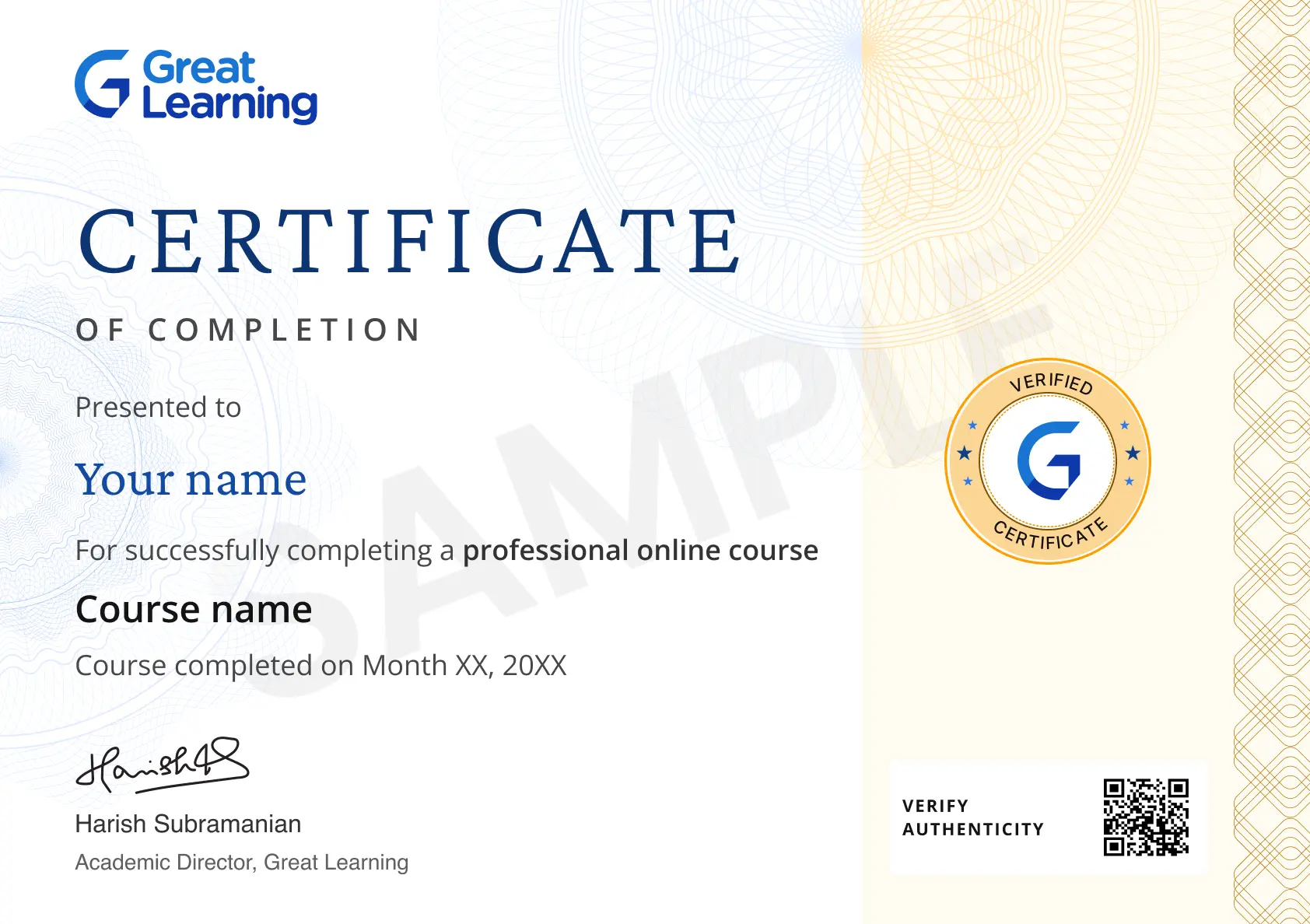
Stand out with an industry-recognized certificate

10,000+ certificates claimed, get yours today!

Get noticed by top recruiters

Share on professional channels

Globally recognised

Land your dream job

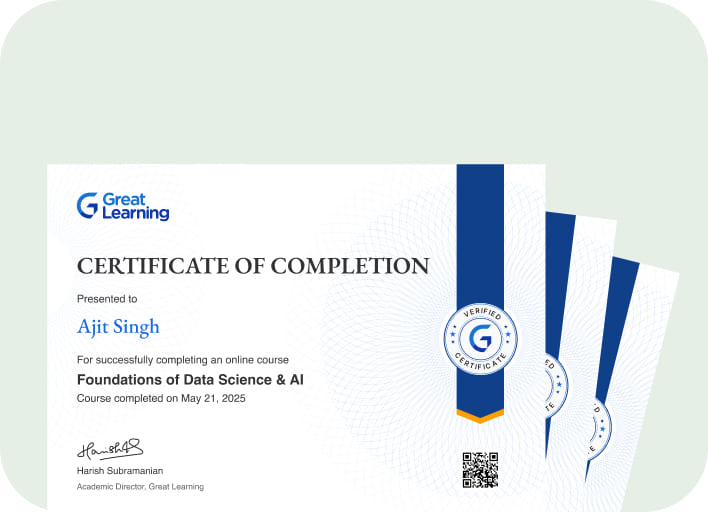
Certificate Image

Total Productive Maintenance (TPM) for Production and Quality Systems

3.0 Hours

Beginner

Get free course content

Master in-demand skills & tools

Test your skills with quizzes

Trusted by 10 Million+ Learners globally

Frequently Asked Questions

What problem does the free total productive maintenance course help you understand?

You look at why equipment can fall short of production goals even when it still runs. The course connects common losses with a shared approach to equipment care, so you can see where to look for causes.

What is the difference between autonomous and planned maintenance?

Autonomous maintenance covers routine care and checks that operators can do in their work area. Planned maintenance looks at scheduled work, helping you understand how different teams divide equipment care.

How do you learn to read an OEE figure?

You separate overall equipment effectiveness into availability, performance, and quality. That makes it easier to ask which part of the process is driving a low figure before deciding what to investigate.

Why are the six big losses taught before improvement methods?

The six big losses give you a way to describe what is going wrong, such as a stop, a slowdown, or a quality issue. Having a clearer category helps you decide what to look at before proposing a change.

How do the eight pillars fit into a TPM rollout?

You study the pillars as areas of work with different responsibilities. The course looks at who owns each area and why sequencing matters when operators and maintenance teams are learning a new routine.

What is quality maintenance in this course?

Quality maintenance links the condition of equipment to the defects it can produce. You consider why recurring quality problems may call for a closer look at how the machine is set up or cared for.

How does the course connect kaizen to production losses?

Kaizen comes up in the focused improvement lessons. You look at how a team can pick a recurring loss, investigate its cause, and use a small change to learn whether that approach improves the process.

What does early equipment management add to the maintenance lessons?

You see why maintenance can begin before equipment settles into day-to-day use. The early equipment management lesson helps you think about using experience from existing equipment to plan for new machines.

How can training support a TPM program?

The course treats skill development as one of the pillars. You learn why teams need a shared understanding of the checks they own and when to raise an issue that needs support from someone else.

Why start with a TPM pilot before expanding across a plant?

A pilot gives a team a limited area in which to try its routines and see what is working. The course looks at what a site can learn from that first area before taking the same approach to other teams.

Subscribe to Academy Pro+ & get exclusive features

$29/month

No credit card required

Learn from 40+ Pro courses

Access 500+ certificates for free

700+ Practice exercises & guided projects

Prep with AI mock interviews & resume builder

Enroll For Free