Free Marine Engineering Course

Marine Engineering Essentials

Beginner level 3.75 learning hrs

Follow a ship's power systems in this free marine engineering course. Join to understand how engines, pumps, and maintenance records connect so you can make sense of engine-room work before practical maritime training.
Key Highlights

Get free course content

Master in-demand skills & tools

Test your skills with quizzes

About this course

The free marine engineering course explains how a ship's engine room supports the rest of the vessel. You learn how propulsion relates to fuel, cooling, and lubrication, then study the pumps and auxiliary machinery that keep services running. Connecting these systems helps you see why a fault in one area may affect more than the equipment where an alarm appears.


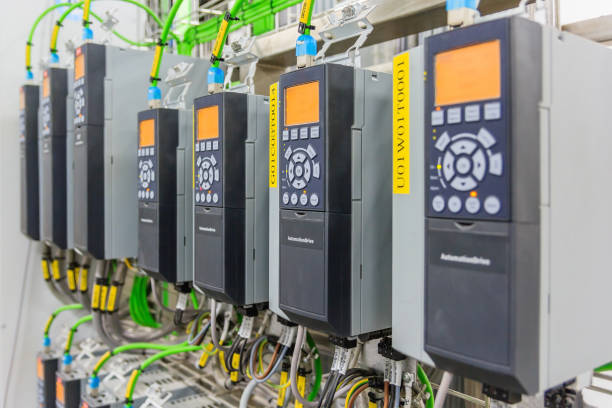
Engine room systems lessons introduce electrical generation and automation before moving into maintenance and watchkeeping. You study the purpose of safety rules and environmental records, including SOLAS and MARPOL topics, without assuming that awareness equals operational compliance. Marine maintenance training also introduces wear, vibration, and fault investigation as reasons to inspect and document carefully. You gain a beginner framework for further maritime learning, not qualification to keep an engineering watch, repair machinery independently, or serve as an engineering officer.

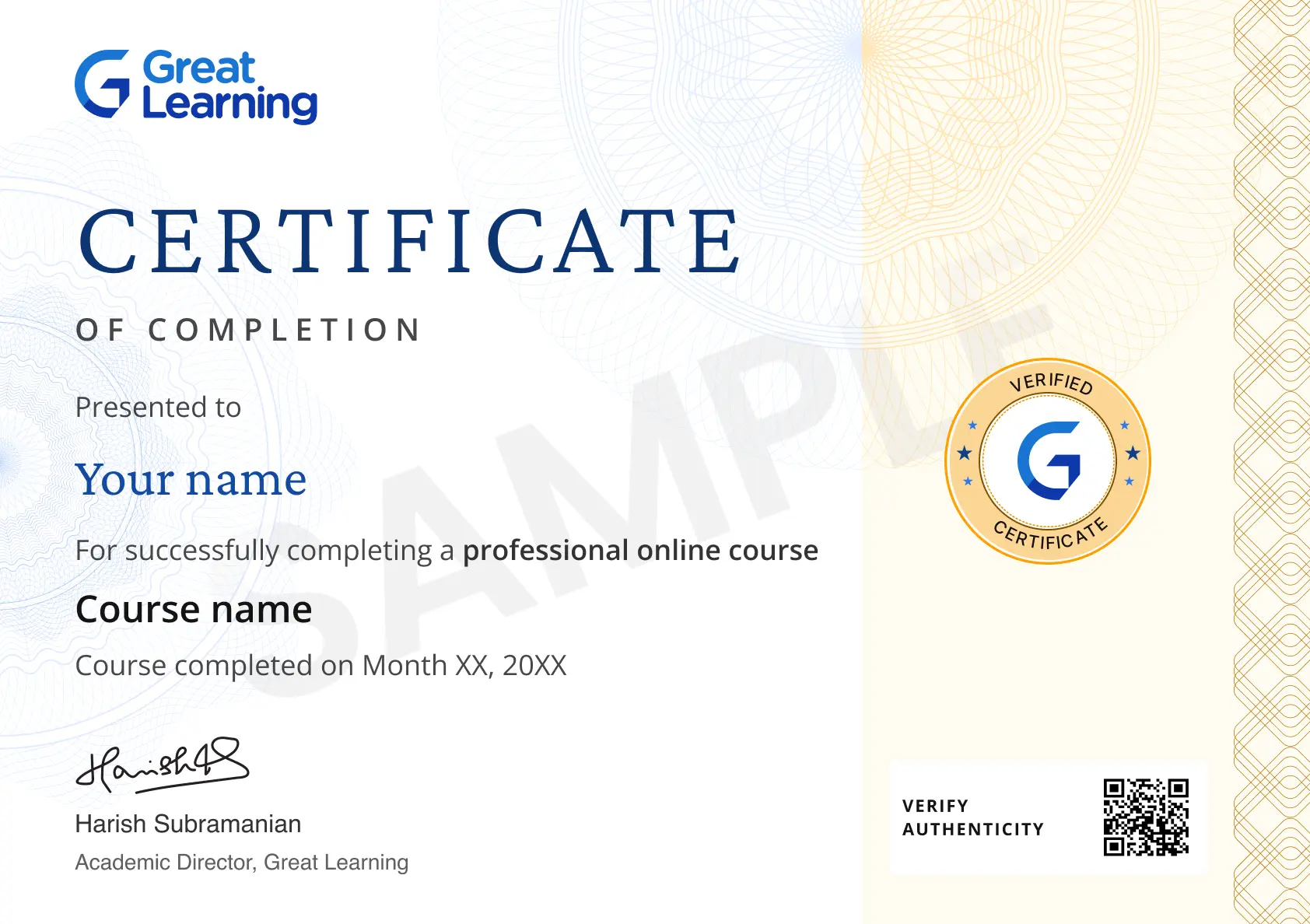
Stand out with an industry-recognized certificate

10,000+ certificates claimed, get yours today!

Get noticed by top recruiters

Share on professional channels

Globally recognised

Land your dream job

Certificate Image

Marine Engineering Essentials

3.75 Hours

Beginner

Get free course content

Master in-demand skills & tools

Test your skills with quizzes

Trusted by 10 Million+ Learners globally

Frequently Asked Questions

How does the free marine engineering course explain an engine room?

You study propulsion, auxiliary machinery, electrical supply, and control as connected systems. The lessons help you understand why engine-room work depends on supporting services rather than a main engine alone.

What will I learn about marine diesel propulsion?

Engine lessons introduce diesel operation with fuel, lubrication, and cooling systems. You connect these functions at a foundation level without treating online learning as permission to operate or repair marine machinery.

Why are boilers and auxiliary systems included?

The outline introduces steam, boilers, and other machinery that supports vessel services. You learn how auxiliary equipment contributes to operation instead of viewing every engine-room system as part of propulsion.

Which pump systems appear in the marine engineering lessons?

The source compares pump types alongside bilge, ballast, piping, and heat exchange. You study their purposes and relationships, while practical operation still requires vessel-specific instruction and supervision.

Does the course include shipboard electrical power?

Electrical topics cover generation, distribution, motors, and emergency supply. You learn the role of these systems without gaining authorization to work on wiring, switchgear, or other energized equipment.

How are engine-room alarms connected with automation?

Control lessons introduce sensors, monitoring, and local or remote operation. You consider why an alarm needs investigation within the system rather than assume the displayed signal identifies the full cause of a fault.

What marine maintenance planning will I study?

The curriculum links planned maintenance with records, inspections, and equipment condition. You learn why recurring work and observed wear need documentation instead of relying on a repair only after a breakdown.

Which safety and environmental topics are introduced?

SOLAS, MARPOL, protective equipment, and pollution-related records are curriculum topics. They provide awareness, not a complete compliance guide or a substitute for current vessel procedures and required training.

How does the course introduce engineering watchkeeping?

Watchkeeping appears with daily operations, alarms, and maintenance. You learn what the work involves without assuming that completing introductory lessons establishes competence or eligibility to keep a watch.

How is marine engineering different from marine biology?
This course concerns ship machinery, power, and operations rather than ocean organisms. You can use that distinction to choose a learning path before pursuing deeper technical or maritime professional training.

Subscribe to Academy Pro+ & get exclusive features

$29/month

No credit card required

Learn from 40+ Pro courses

Access 500+ certificates for free

700+ Practice exercises & guided projects

Prep with AI mock interviews & resume builder

Enroll For Free