Free Six Sigma Yellow Belt Course

Six Sigma Yellow Belt

Beginner level 3.0 learning hrs

In this free Six Sigma Yellow Belt course, you learn to describe a process problem before proposing a fix. Enroll to see how a team checks the data, tests an improvement, and keeps track of whether the change helps.
Key Highlights

Get free course content

Master in-demand skills & tools

Test your skills with quizzes

About this course

The free Six Sigma Yellow Belt course introduces improvement work through a process you can describe and measure. You learn to define a problem from the customer's point of view, then map the steps that produce the result. The Define, Measure, Analyze, Improve, and Control framework gives you a sequence for working through that problem with a team.


Instead of treating every possible cause as equally likely, you use tools such as a Pareto chart and the 5 Whys to decide what to investigate. The course also introduces Lean ideas for spotting work that adds little value. You then look at how to pilot a change and use a control plan to check whether the gains last. This starting point suits beginners who want to understand Yellow Belt team responsibilities and contribute more clearly to a workplace improvement discussion.

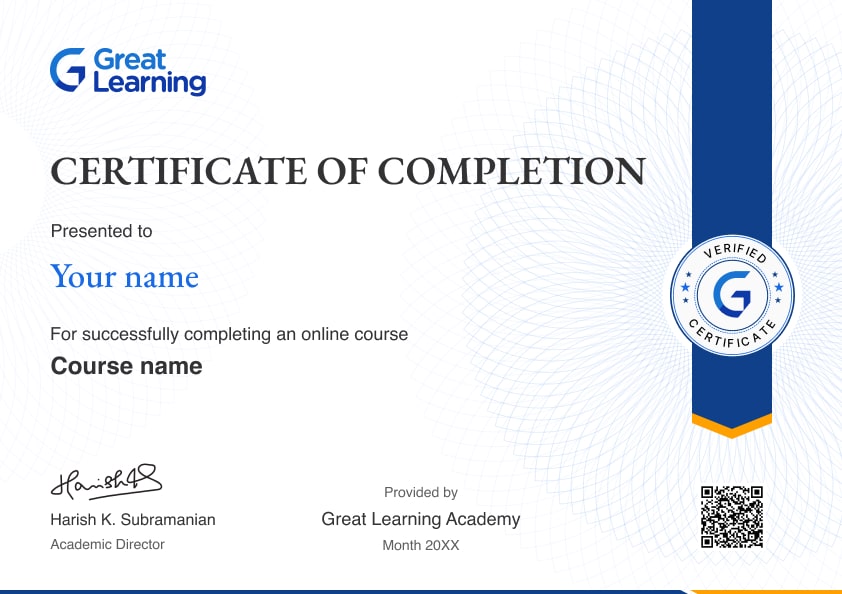
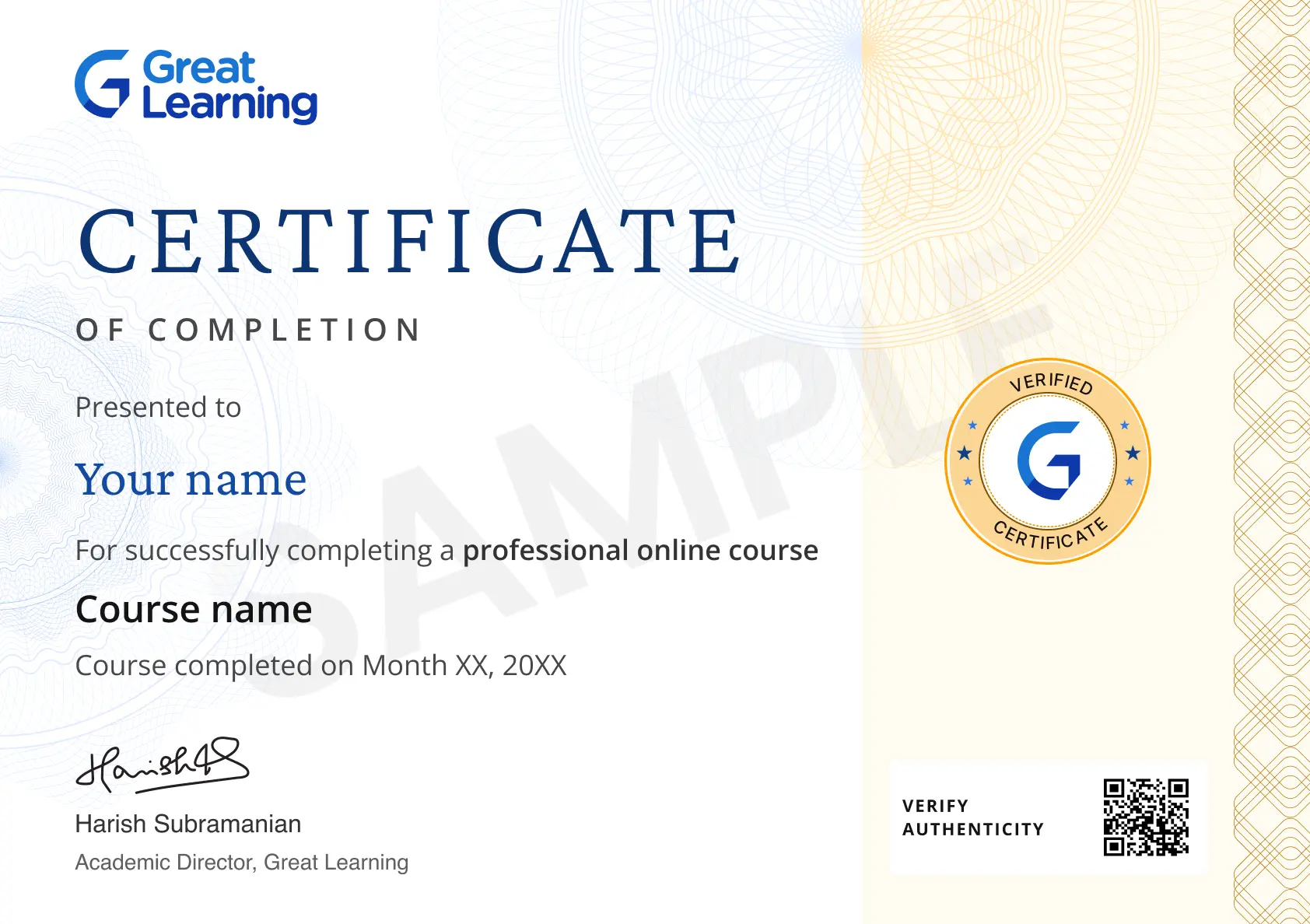
Stand out with an industry-recognized certificate

10,000+ certificates claimed, get yours today!

Get noticed by top recruiters

Share on professional channels

Globally recognised

Land your dream job

Certificate Image

Six Sigma Yellow Belt

3.0 Hours

Beginner

Get free course content

Master in-demand skills & tools

Test your skills with quizzes

Trusted by 10 Million+ Learners globally

Frequently Asked Questions

What role does the free Six Sigma Yellow Belt course prepare you to understand?

You study how a Yellow Belt supports a process improvement team. The lessons help you follow the team's work, describe a problem clearly, and understand why evidence matters when people discuss possible causes.

How does the course explain the five DMAIC phases?

You follow Define, Measure, Analyze, Improve, and Control as a sequence of decisions. Each phase helps the team answer a different question before it chooses and checks a change to the process.

Why does a project need a clear scope?

The Define lessons show how a project charter sets boundaries around the problem. You learn why those boundaries help a team choose useful measures and avoid taking on unrelated issues at the same time.

What can a SIPOC diagram tell you?

You identify suppliers, inputs, the process, outputs, and customers at a high level. This gives you a way to see who contributes to the process and who experiences its result before drawing a detailed map.

How do you decide what data to collect?

The measurement lessons distinguish types of data and introduce a collection plan. You learn why a team must define what it will count or measure before comparing results across people or time periods.

What does a Pareto chart help a Yellow Belt team prioritize?

You use the chart to compare how often different problems occur or how much they contribute to a total. That helps the team choose where to investigate first instead of treating every issue as equally important.

How do the 5 Whys differ from guessing a root cause?

The technique uses a sequence of questions to examine why a problem happened. The course pairs that questioning with checking evidence so the team can test a possible explanation before proposing a fix.

What kinds of waste do the Lean lessons help you notice?

You look for work that uses time or resources without helping the customer. Examples such as waiting and rework give you a way to discuss a process step and whether it contributes to the result people need.

Why pilot a proposed process improvement?

A pilot lets the team try a change on a limited scale and observe the result. You learn why that evidence can reveal practical problems or unexpected effects before the change is applied more widely.

What helps a team sustain an improvement?

You study control plans, visual management, and updated procedures. These give the process owner a way to check performance and decide what response is needed if the result starts moving away from the target.

Subscribe to Academy Pro+ & get exclusive features

$29/month

No credit card required

Learn from 40+ Pro courses

Access 500+ certificates for free

700+ Practice exercises & guided projects

Prep with AI mock interviews & resume builder

Related Management Courses

50% Average salary hike
Explore degree and certificate programs from world-class universities that take your career forward.
Personalized Recommendations
checkmark icon
Placement assistance
checkmark icon
Personalized mentorship
checkmark icon
Detailed curriculum
checkmark icon
Learn from world-class faculties
  • Personalized Recommendations

    Placement assistance

    Personalized mentorship

    Detailed curriculum

    Learn from world-class faculties

    50% Average salary hike
  • Know More

Enroll For Free