
- The Immediate Answer: Why is Mid/Late-Career Good For Learning?
- Are Companies Actually Hiring Older AI Beginners in 2026?
- The Unique Advantages of Older Professionals in Tech
- Top AI and Machine Learning Roles for Professionals Over 30
- Essential Skills and Tools You Should Learn First
- Practical Steps to Begin Your Transition Today
- How to Leverage Your Previous Experience on Your Resume
- Conclusion
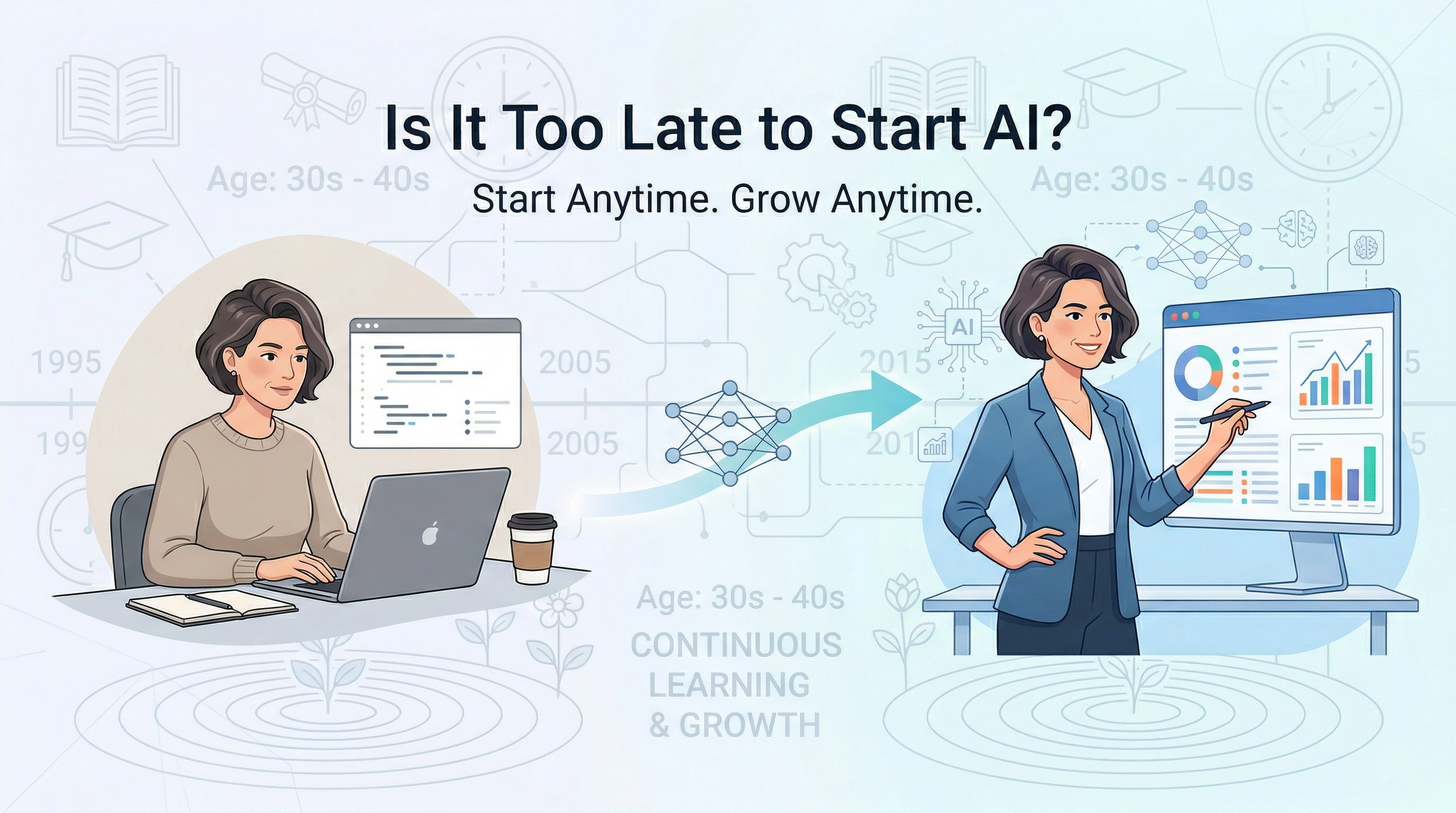
Are you wondering if your age disqualifies you from the artificial intelligence sector?
The answer is a definitive no. It is absolutely not too late to start learning AI and machine learning in your 30s or 40s.
In fact, your age and existing professional background give you a massive advantage. Companies are actively searching for mature professionals who can bridge the gap between complex algorithms and real-world business outcomes.
This article explains exactly why your mid-career status is a highly sought-after asset. We will cover the immediate advantages you hold, the specific roles hiring right now, and the exact steps you need to take to transition successfully.
The Immediate Answer: Why is Mid/Late-Career Good For Learning?
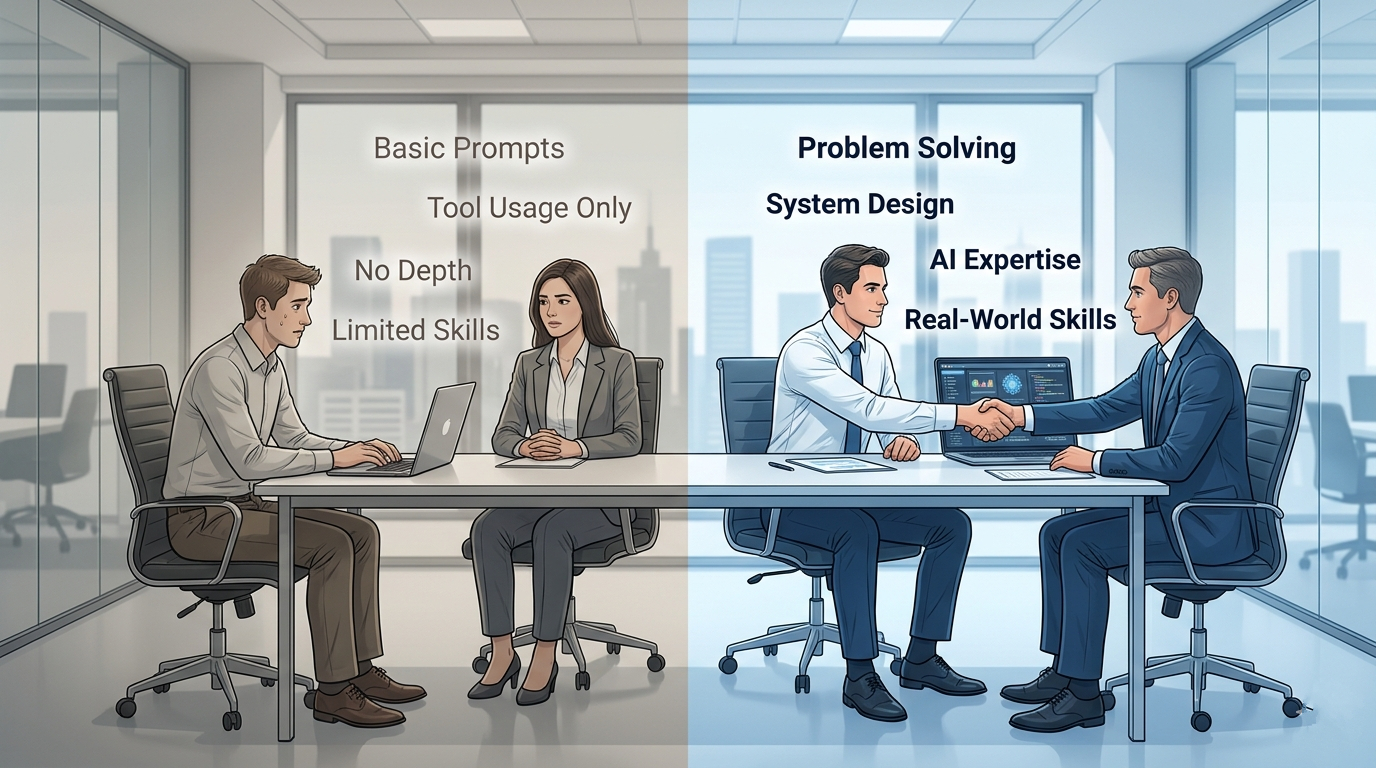
The most critical thing to understand is that artificial intelligence is no longer just about writing code. It is about solving business problems efficiently. Employers value domain expertise just as much as technical capability.
When a younger professional learns machine learning, they master the mathematical algorithms. However, they often lack the context of how a company actually operates, generates revenue, or serves customers.
This is where your age becomes your greatest asset. As a professional in your 30s or 40s, you bring immediate value to the table:
- You understand business context: You can spot exactly where an automated tool will save money or improve customer satisfaction.
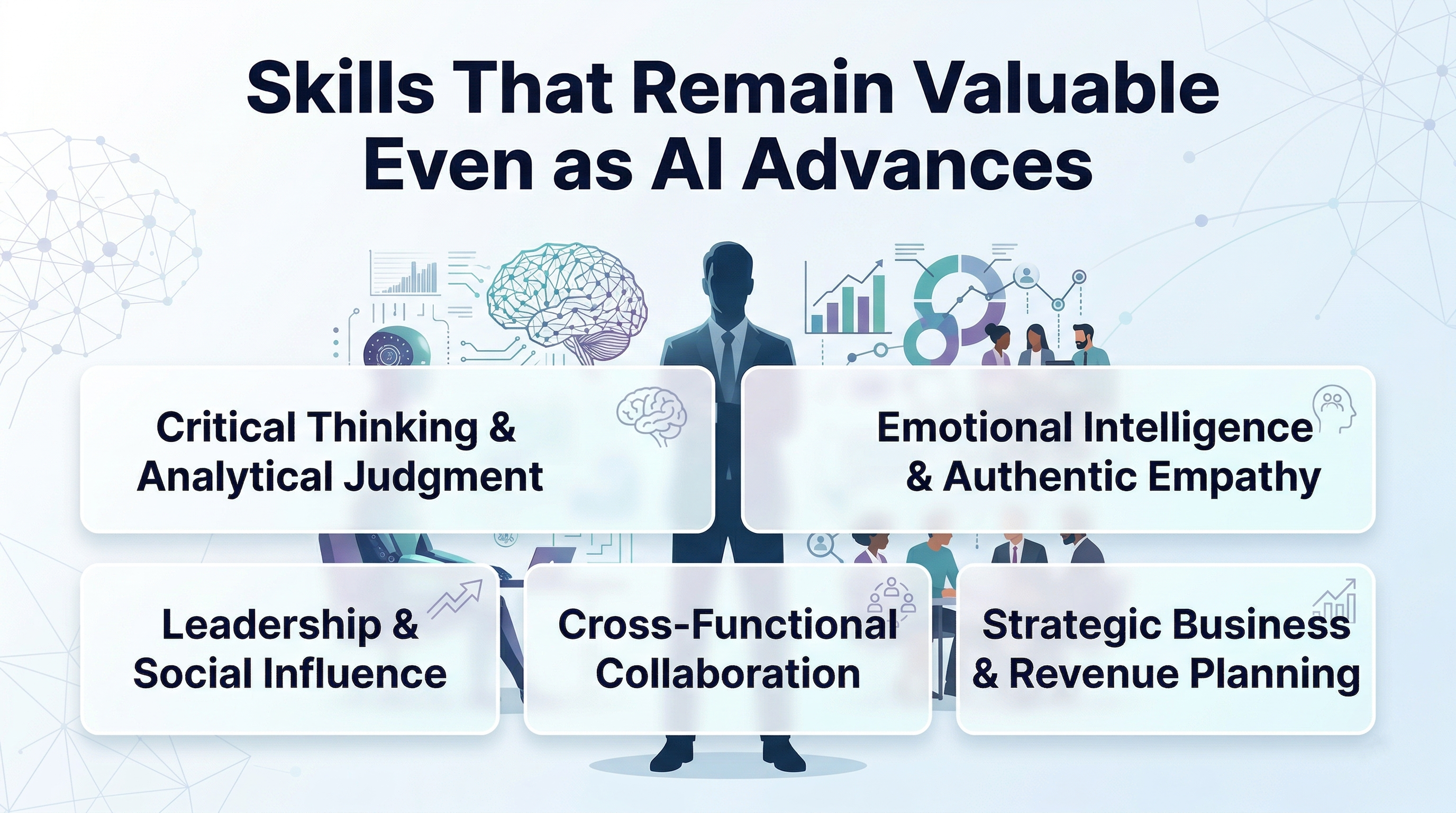
- You have proven soft skills: You already know how to manage stakeholders, communicate clearly, and resolve workplace conflicts.
- You possess domain expertise: Whether you worked in healthcare, finance, or retail, you understand the specific rules and pain points of your industry.
- You require less management: Older professionals are self-starters who do not need the intense mentorship that junior employees often require.
Are Companies Actually Hiring Older AI Beginners in 2026?
The technology industry is currently facing a massive talent shortage that younger graduates simply cannot fill.
The barrier to entry has also dropped significantly compared to five years ago. Modern platforms use natural language processing, meaning you can build complex systems using plain English instead of writing thousands of lines of syntax.
Here is what the current hiring data shows for mid-career transitioners:
- Degree requirements are dropping: Companies are increasingly prioritizing skills-based hiring over formal four-year computer science degrees.
- Demand is surging: The World Economic Forum forecasts massive growth in AI-related roles through 2027.
- Bootcamps are respected: Employers actively hire graduates from specialized, intensive training programs and professional certificates.
- Hybrid roles are expanding: There is a huge market for "translators" who sit between the highly technical engineers and the non-technical executive board.
The Unique Advantages of Older Professionals in Tech
Real-world deployments of artificial intelligence frequently encounter errors, biases, and compliance issues. Fixing these problems requires critical thinking, ethical judgment, and deep industry knowledge.
Consider these specific areas where older professionals naturally excel:
- Crisis Management: When a model makes a critical error, companies need calm, experienced leaders to handle the fallout, not just fast typists.
- Regulatory Compliance: Mature professionals better understand the severe legal consequences of data privacy violations and biased algorithms.
- Strategic Implementation: You know that buying a new software tool is only 10% of the battle; training the staff to use it is the real challenge.
- Established Networks: You bring years of industry contacts, potential clients, and vendor relationships to your new employer.
Top AI and Machine Learning Roles for Professionals Over 30
You do not have to become a hardcore software engineer to work in this field. The industry has created entirely new, highly paid career paths that blend technical understanding with management.
These roles offer excellent financial stability and tremendous growth potential.
Here are the top roles that perfectly suit mid-career transitioners:
- AI Project Manager: You lead the teams building these tools. This requires your existing organizational skills plus a foundational understanding of the machine learning lifecycle.
- AI Strategy Consultant: You advise businesses on which internal processes they should automate to save money.
- Data Analyst: You use automated tools to process large amounts of information and identify actionable business trends.
- AI Ethics Officer: You ensure corporate systems are fair, unbiased, and legally compliant. This relies heavily on human judgment and corporate governance experience.
- Prompt Engineer: You craft highly specific, detailed text instructions to get the best possible output from generative systems.
If you are still unsure which specific path aligns best with your existing skill set, exploring a comprehensive career and roadmap guide can help you visualize your career roadmap and set achievable milestones.
Once decided, you can enroll in the online Post Graduate Program in Artificial Intelligence and Machine Learning: Business Applications from The University of Texas at Austin to bridge your learning gap.
Post Graduate Program in AI & Machine Learning: Business Applications
Master in-demand AI and machine learning skills with this executive-level AI course—designed to transform professionals into strategic tech leaders.
It equips you to master the basics of Python programming and develop practical, industry-ready skills across the AI spectrum without needing any prior programming experience. You will ultimately learn to scope, oversee, and guide successful implementations while driving AI adoption within your organization.
Essential Skills and Tools You Should Learn First
When transitioning into this field, do not try to learn everything at once. You must focus your limited time on the tools that provide the highest return on investment.
Avoid getting bogged down in complex calculus or obscure programming languages. Instead, focus on the practical tools used in daily corporate environments.
Prioritize learning the following core skills:
- Python: This is the undisputed primary language for data science. It has a simple, readable syntax that is incredibly beginner-friendly.
- SQL (Structured Query Language): Every smart system relies on clean data. SQL allows you to extract and organize data from massive corporate databases.
- Prompt Engineering: Mastering how to communicate effectively with Large Language Models is now a mandatory corporate skill.
- Data Visualization: Learn tools like Tableau or Power BI. You must be able to present complex data findings in simple charts for corporate leadership.
To master how you communicate with language models, check out the Prompt Engineering Essentials with AWS course. It quickly equips you to optimize AI outputs and leverage generative AI directly within cloud environments.
Prompt Engineering Course with AWS
Build a strong foundation in GenAI with this AI prompt engineering course. Learn AWS basics, explore zero-shot, few-shot and chain-of-thought prompting and refine prompts for practical use cases.
As you start to build these new technical abilities, actively challenging yourself with targeted quizzes is a fantastic way to validate your learning, identify your strong suits, and pinpoint the areas requiring more focus.
Practical Steps to Begin Your Transition Today
Starting a new educational path can feel overwhelming. However, breaking the process down into manageable, daily steps makes it highly achievable.
Start by focusing on core concepts rather than advanced mathematics. You simply need to understand how different algorithms work and what specific business problems they solve.
Follow these actionable steps to start your journey:
- Automate your current job: Start using generative text tools to write your emails or organize your weekly spreadsheets.
- Take a beginner course: Enroll in a foundational, non-technical overview course online to learn the basic vocabulary of the industry.
- Build a portfolio: Complete practical projects. For example, use Python to analyze a public dataset related to your current industry. If you are looking for inspiration, browsing curated project ideas can spark relevant, resume-worthy concepts that perfectly marry your past experience with AI.
- Join a community: Connect with other mid-career transitioners on professional networking sites for support and resource sharing.
To see exactly how to structure your learning journey this year, check out Great Learning's recently published masterclass: AIML Learning Roadmap: From Fundamentals to Advanced Intelligence. This up-to-date guide breaks down the exact skills, tools, and steps you need to take right now to successfully transition into a lucrative AI career.
Furthermore, to accelerate your technical upskilling journey, explore the 14-week online Professional Certificate in Generative AI and Agents for Software Development from The University of Texas at Austin.
GenAI for Software Development
Build, test, and deploy AI-powered web applications. Gain hands-on experience with full-stack development using Node.js, Express, MongoDB, and React while integrating Generative AI into real-world applications.
It equips you to apply Generative AI tools effectively across coding, testing, debugging, and documentation workflows. You will ultimately learn to integrate Large Language Models and build end-to-end full-stack web applications using modern technologies.
How to Leverage Your Previous Experience on Your Resume
When applying for new roles, you must frame your past experience correctly. Do not hide your age or your previous career history from recruiters.
Instead, clearly highlight how your past decade of work makes you a much stronger technology professional today. Your unique background is your greatest competitive advantage in a crowded job market.
Use these strategies when updating your resume:
- Highlight domain knowledge: If you worked in finance, emphasize your deep understanding of fraud detection and market compliance.
- Showcase leadership: Clearly list the team sizes you have managed and the corporate budgets you have successfully overseen.
- Translate your achievements: Frame your past successes in terms of data. Show how you used information to increase revenue or decrease operational costs.
- Update your title: If you are using data tools in your current non-tech job, reflect that hybrid reality in your resume descriptions.
Once your resume is optimized and your portfolio is ready, you must prepare to articulate your unique value proposition in person.
Reviewing common interview questions will help you confidently bridge the gap between your past domain expertise and your new technical skills during hiring conversations.
Conclusion
People can learn artificial intelligence and machine learning skills during their 30s, 40s, and later life stages. The technology industry requires professionals who have reached the mid-career stage because they bring essential elements, which include maturity and strategic vision, along with their practical business knowledge.
You can gain more effective decision-making skills through digital tools than younger generations because you possess the knowledge and experience from your corporate career. Your earning potential will increase significantly when you acquire core technical skills, which you should begin learning today. Your upcoming professional years will bring you the highest financial rewards and job satisfaction.