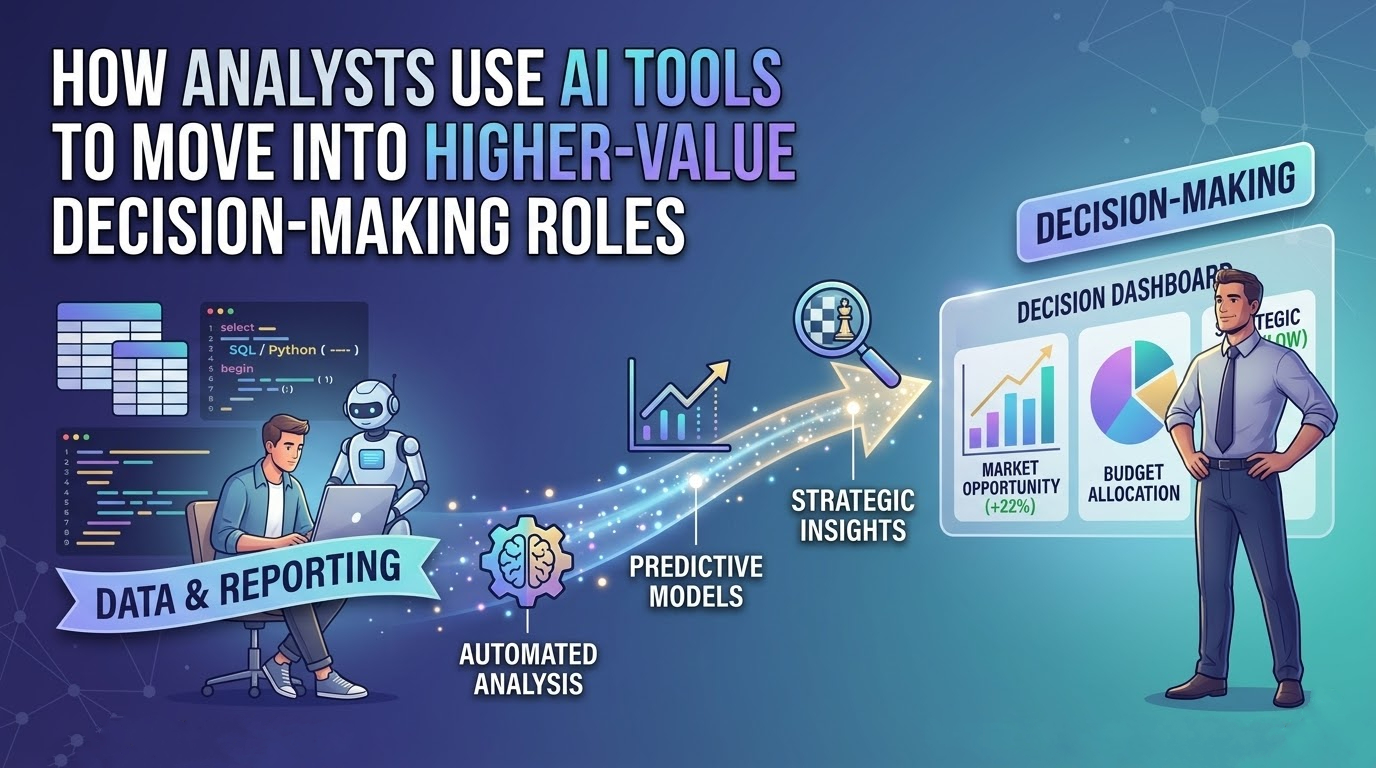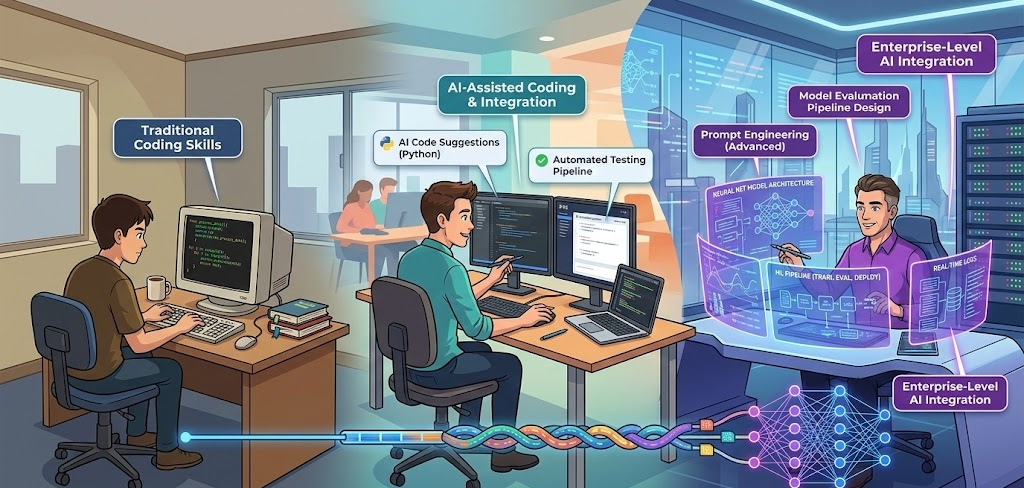

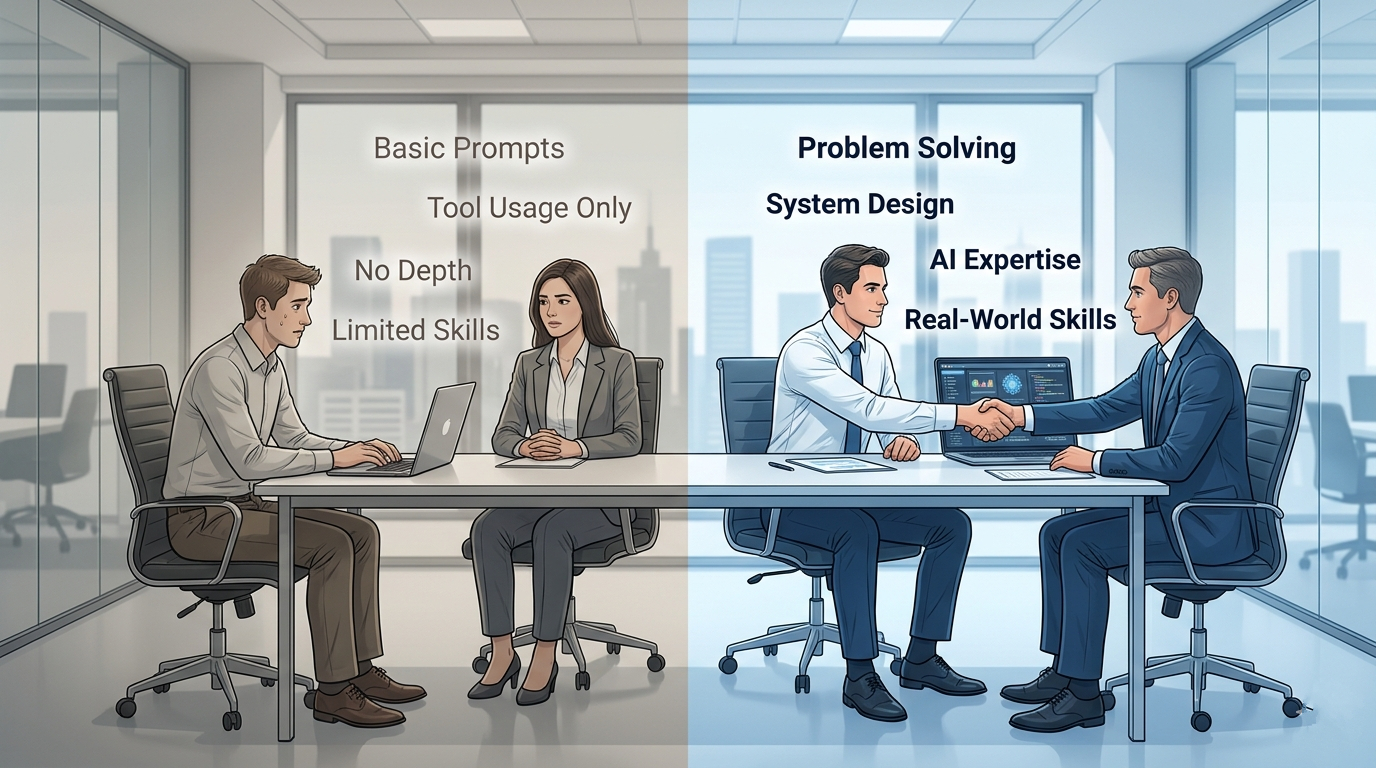
As the adoption of artificial intelligence accelerates across global workplaces, the standard for professional competence is rapidly shifting.
Initially, the ability to generate a simple email or create a piece of standard content using a pre-built prompt was enough to demonstrate technical savvy. However, today, familiarity with basic tools is no longer a competitive advantage.
Many professionals are still asking, will AI replace jobs?
The honest answer is- the technology itself will not replace human workers; rather, professionals who know how to use it effectively will replace those who do not.
This is why understanding why AI skills matter more than ever is the first critical step toward safe career building. This blog explores what employers truly expect beyond basic AI tool usage and highlights the advanced capabilities that differentiate high-performing professionals in an AI-driven environment.
If you are entirely new to the field, 6 Steps to get Started with AI for Beginners offers a clear and structured pathway to begin your learning journey.
Advanced Skills Employers Demand Beyond Basic AI Skills
1. Ecosystem Mastery and Advanced Automation
Professionals often wonder, is prompt engineering enough to secure a job? The answer is that it is merely the foundation.
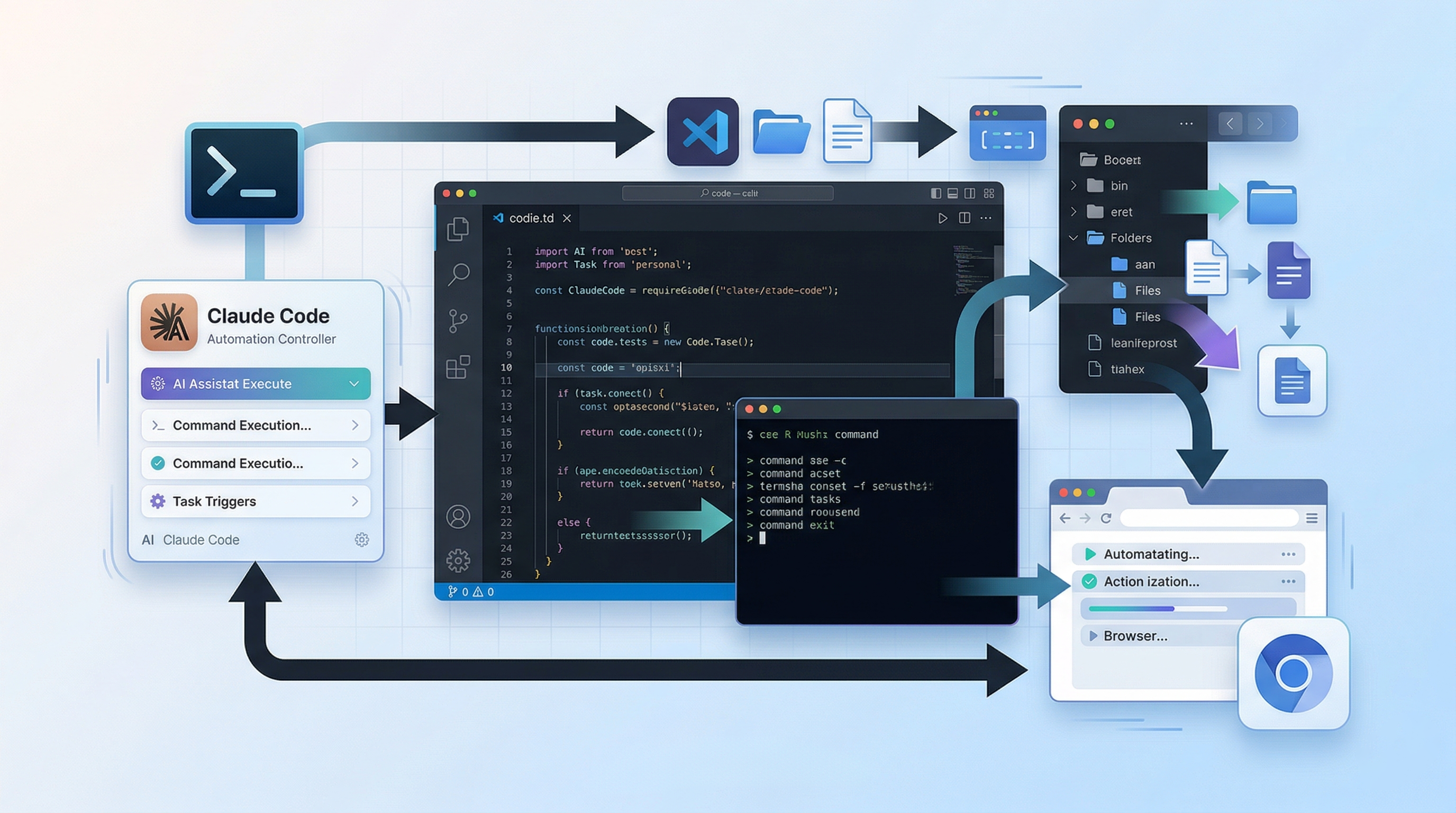
Using artificial intelligence effectively requires a deep understanding of the broader digital ecosystem. It is no longer just about generating a quick response from a chatbot; it is about building automated workflows that save time and reduce errors. You need to master:
- Contextual Prompt Architecture and Iteration:
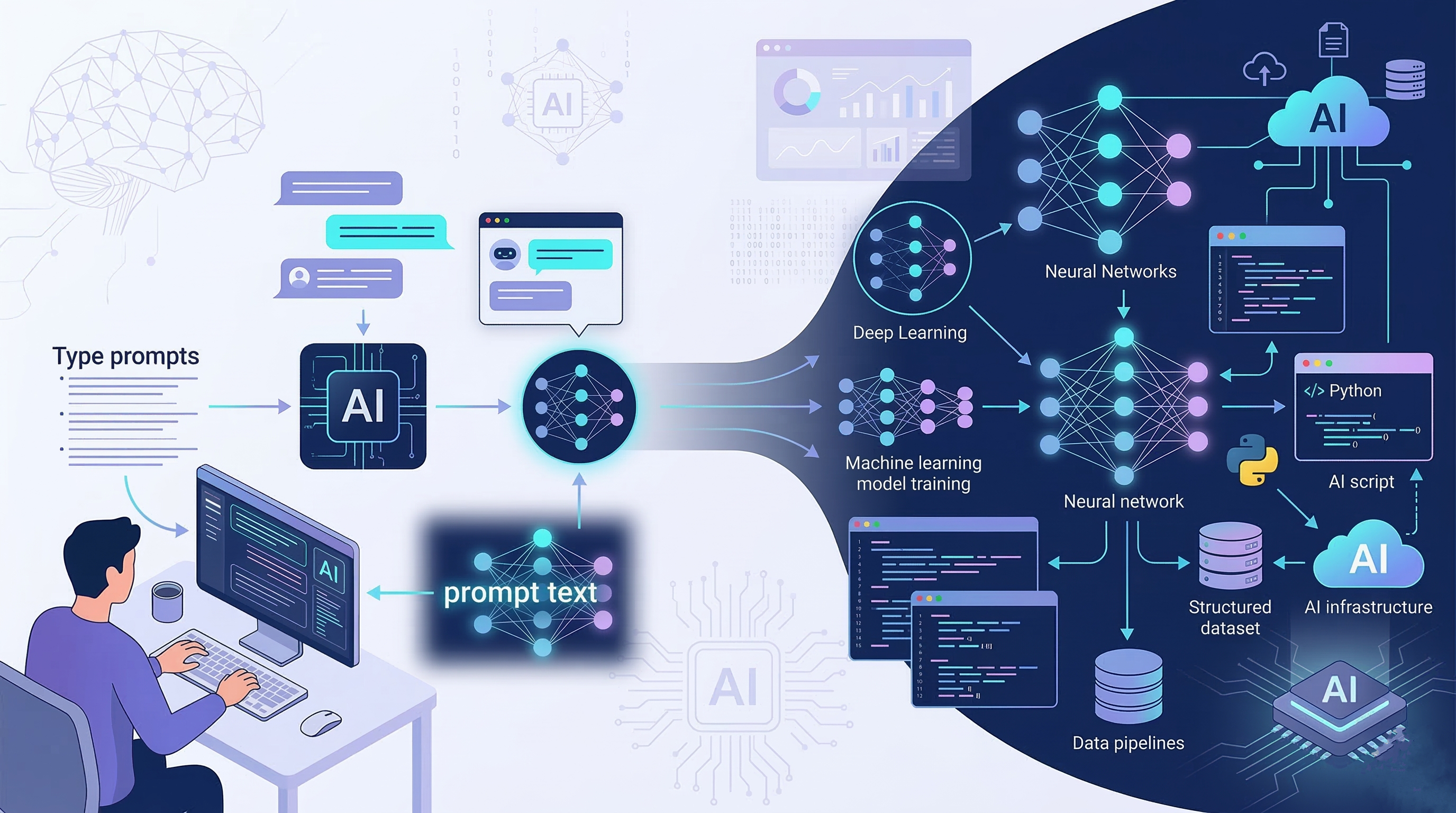
Employers expect you to construct highly contextual prompts that include role definitions, constraints, and formatting guidelines.
Progressing from basic prompts to more advanced techniques such as few-shot learning, where relevant examples are provided to guide outputs, and chain-of-thought prompting, which encourages the AI to articulate its reasoning for more accurate and structured results.
To learn these, taking the free Prompt Engineering for ChatGPT course helps users learn prompt engineering for ChatGPT, enabling them to write highly effective prompts and optimize AI outputs for professional tasks.
- Cross-Tool Usage:
Modern workflows require integrating multiple platforms such as Notion, Airtable, and Slack. You are expected to seamlessly pass data between these tools and AI systems to create a cohesive and efficient operational pipeline.
- Management of Autonomous Agents:
With the rise of agent-based systems like AutoGPT and AgentGPT, your role shifts from execution to supervision. You must know how to design agents, define objectives, monitor outputs, and ensure these agents operate within defined boundaries.
To prepare for these complex engineering expectations, you can explore the Johns Hopkins Certificate Program in Agentic AI. This program helps the reader by teaching them to build agents that perceive, reason, plan, act, and learn with Python and AI. It also helps the learners by teaching them to design agents using symbolic, BDI, and LLM architectures, and evaluate agent behavior in complex multi-agent and human-agent environments.
Certificate Program in Agentic AI
Learn the architecture of intelligent agentic systems. Build agents that perceive, plan, learn, and act using Python-based projects and cutting-edge agentic architectures.
- API Integration:
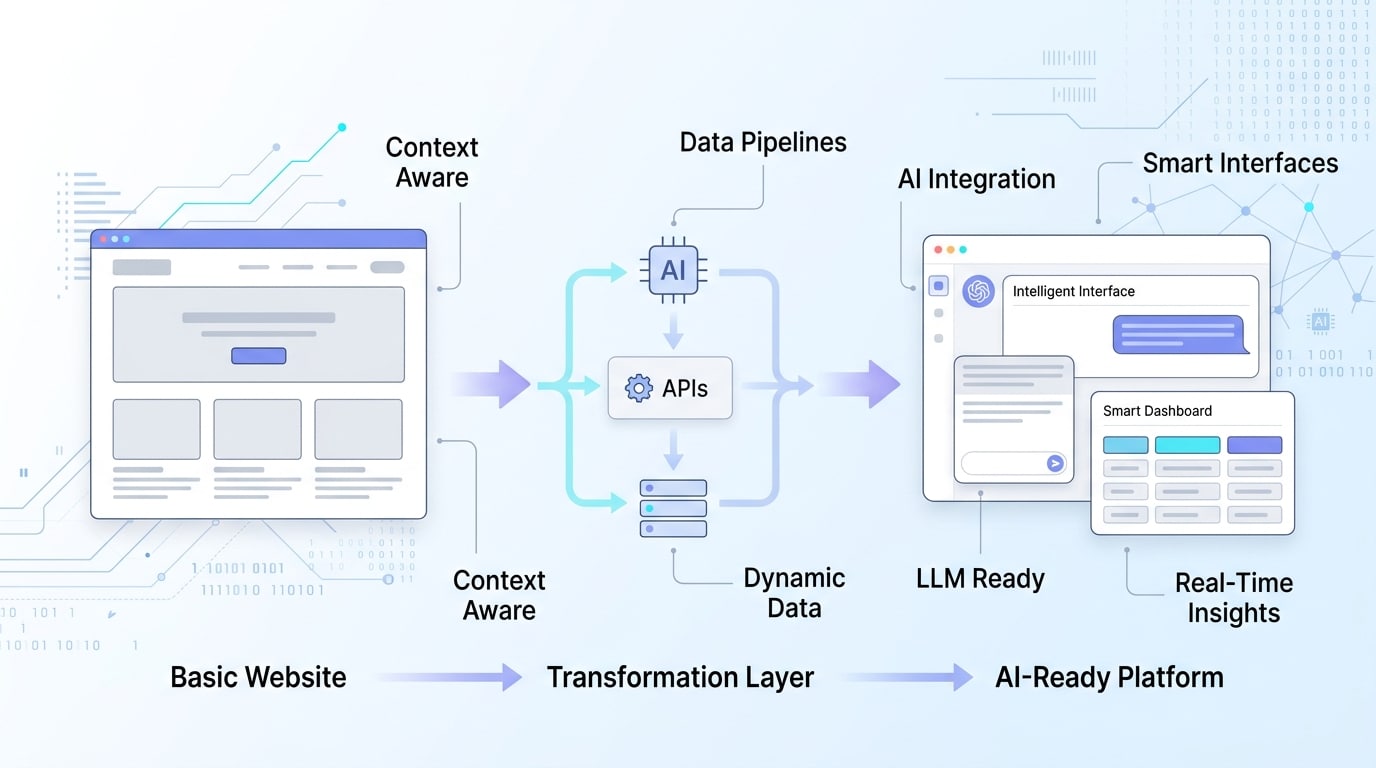
For technical and semi-technical roles, working with APIs such as the OpenAI API, Google Cloud AI APIs, and Hugging Face Transformers is essential. These enable seamless integration of AI capabilities into internal systems like Salesforce or HubSpot.
- AI-Assisted Decision Making:
Employers want you to use data-driven insights generated by these tools to make informed business decisions. This involves querying large datasets, extracting trends, and presenting actionable recommendations to leadership.
Using AI-generated analysis as decision support, not as a decision-maker, and understanding the boundaries of model reliability within specific domains.
Employers are seeking employees with the most in-demand AI skills, and the Master Artificial Intelligence Course offers a structured path to develop them. This 12.5-hour program covers key areas like machine learning, deep learning, NLP, computer vision, and generative AI, helping you build practical, career-ready expertise.
AI for Everyone: Learn AI Essentials
Learn how AI for Everyone makes artificial intelligence accessible to all. Learn how AI can enhance your life, work, and creativity, regardless of technical skills.
2. Quality Control and Synthesis
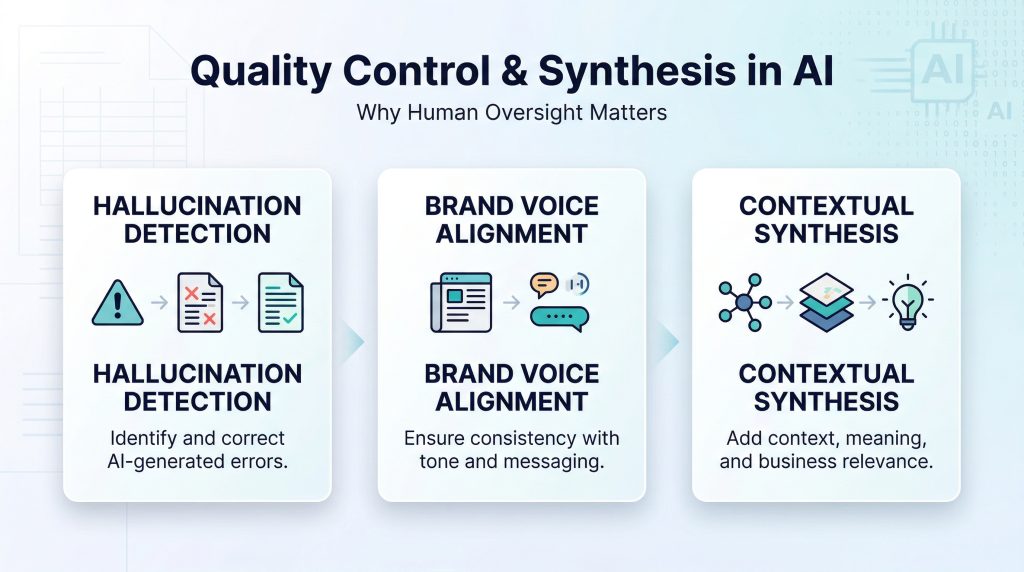
Even the most advanced AI systems are prone to critical errors, making human oversight indispensable. Employers expect professionals to go beyond generation and take full ownership of the quality, accuracy, and relevance of AI-driven outputs.
- Hallucination Detection:
AI can confidently produce incorrect or misleading information. Employers expect individuals to apply domain expertise, logical reasoning, and fact-validation skills to identify and eliminate such inaccuracies before they impact decision-making.
- Brand Voice Alignment:
AI-generated content often lacks differentiation and consistency. Professionals are expected to refine outputs to match organizational tone, communication standards, and audience expectations, ensuring alignment with brand identity.
- Contextual Synthesis:
AI lacks an understanding of nuanced business contexts and relationships. Employees must interpret, adapt, and enrich generated outputs by incorporating industry knowledge, situational awareness, and strategic intent to deliver meaningful results.
To understand the difference between passing fads and essential knowledge, understanding what to learn vs what's hype as AI becomes mainstream can be incredibly beneficial.
3. Corporate Safeguards and Digital Responsibility
With massive computational power comes significant corporate risk. Employers are heavily focused on finding individuals who understand security, ethics, and governance.
- Data Segregation and Intellectual Property Protection
Employees must know how to protect sensitive corporate data. Pasting proprietary code or customer information into public databases creates massive security breaches. Organizations expect staff to follow strict data handling protocols.
- Algorithmic Bias Identification
Automated systems are trained on historical data, which can produce biased results. Professionals must actively look for and mitigate these biases in project outcomes to ensure fairness.
- Output Reliability Verification
Employers expect professionals to validate AI-generated outputs for accuracy, consistency, and credibility, ensuring they meet quality standards while minimizing reputational and legal risks.
- Governance and Compliance Adherence
Professionals must ensure AI usage aligns with internal policies and global regulations such as the EU AI Act and data protection laws like GDPR, maintaining ethical standards, data privacy, and full regulatory compliance.
To build skills in these vital areas, readers can look into the following free courses:
- The AI Ethics for Beginners course equips learners with a strong foundation in ethical principles, covering key concepts such as bias detection, fairness, transparency, accountability, and responsible AI usage, enabling them to understand and address the societal and organizational implications of AI systems.
- The Generative AI for Beginners course serves as a comprehensive introduction to generative AI, helping learners understand core concepts, underlying models, practical applications, and real-world use cases, while building the foundational skills required to effectively leverage generative AI tools in professional settings.
To see what immersive learning looks like in practice, the video I Spent 100 Hours Learning Gen AI and Here's What Happened provides an excellent real-world perspective on rapid skill acquisition. You can also apply your strategic framing skills by experimenting with various Project Ideas.
4. Strategic Framing and Human-Centric AI Skills
Technology excels at execution, but humans must provide the strategic direction. Cultivating the effective leadership skills you need in the age of AI means shifting your focus from completing tasks to diagnosing problems. This shift in mindset is particularly crucial for those exploring how early-career professionals build AI-ready skills.
- Diagnostic Problem Mapping: Before using any tool, you must be able to break down a large, ambiguous business challenge into smaller, solvable components that a machine can actually process and assist with.
- Augmented Creativity: Rather than relying on technology to do the creative work for you, employers expect you to use it as a brainstorming partner. You should leverage it to overcome creative blocks, generate alternative perspectives, and enhance your original ideas.
- Platform Agility:
Technological advancements change every day. You are expected to remain highly adaptable, and quickly learn new interfaces with continuous learning and upskilling with the courses like AI for Leaders course helps leaders build effective AI strategies for their business, offering clear insights into driving innovation and managing digital transitions and the free Agentic AI and Leadership Transformation course that helps understand agentic AI and actively transform their organizations by applying intelligent automation to broader business goals.
5. Demonstrating Measurable ROI and Business Impact
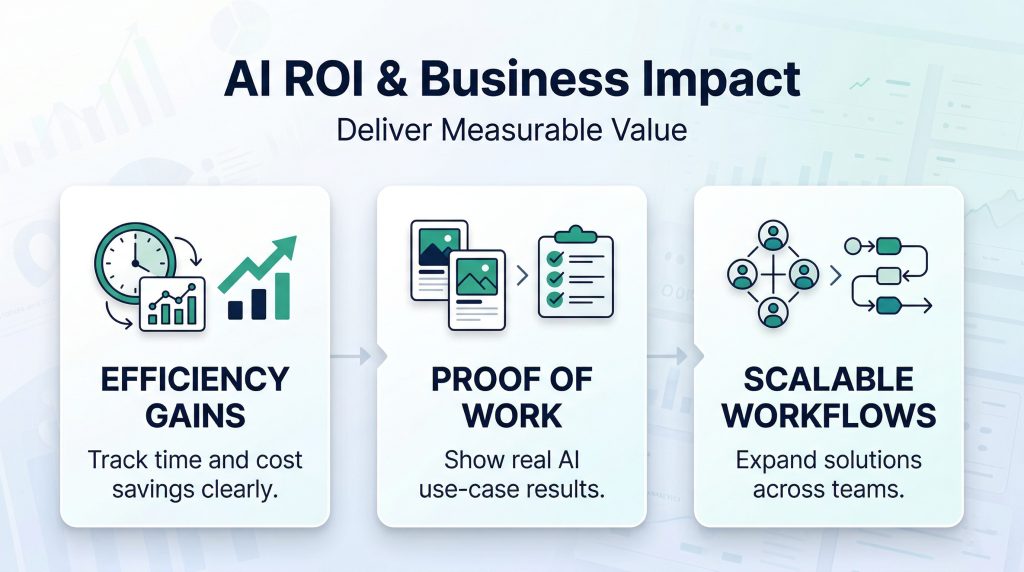
Ultimately, businesses adopt new technologies to improve their bottom line. Keeping up with machine learning and AI job trends shows that generating a measurable Return on Investment is a top priority for executives.
This focus on value creation opens up incredibly lucrative career options in AI. For anyone wondering how to start a career in artificial intelligence and machine learning, you must learn that you need to deliver higher ROI and positive business impact.
- Efficiency Quantification:
Employers expect you to track and report exactly how much time or money you are saving by using these tools. You must be able to present clear metrics, such as a reduction in hours spent on weekly reporting or an increase in code deployment speed.
- Development of AI Proof-of-Work:
You should build a portfolio of successful use cases within your current role. Documenting how you solved specific departmental problems serves as tangible proof of your advanced capabilities.
- Scalability of Team Workflows:
True business impact happens at scale. Employers look for professionals who can take a successful automated process they created for themselves and successfully deploy it across their entire team or department, and streamline the overall process for managing multiple tasks at once.
To map out your professional journey with these high-impact goals in mind, you can review the comprehensive Careers and Roadmap resources, and when you are ready to prove your skills to potential employers, watching the AI Mock Interview to Practice for Real Interviews by Great Learning will help you articulate your measurable impact confidently in a formal setting.
To truly transition from a basic user to a strategic implementer who drives business value, structured and comprehensive learning is essential. For professionals ready to make this leap, the PG Program in Artificial Intelligence Course offers a robust pathway to master these advanced, high-demand capabilities.
PG Program in AI & Machine Learning
Master AI with hands-on projects, expert mentorship, and a prestigious certificate from UT Austin and Great Lakes Executive Learning.
This comprehensive program empowers professionals by delivering an upgraded Agentic AI and GenAI curriculum designed for real-world application. You will gain practical, hands-on training by mastering over 29 AI tools, including Hugging Face, LLMs, MLOps, and Python, and completing 11+ industry-relevant projects.
To ensure you successfully absorb and apply these complex topics, the learning journey is backed by expert mentorship, weekly concept reinforcement sessions, and 1:1 personal assistance.
Beyond technical skills, the program provides dedicated career support, including mock interviews, resume building, and e-portfolio reviews. This targeted approach to career advancement delivers proven results, with 80% of alumni successfully transitioning into managerial roles.
Conclusion
Employers no longer reward the mere basic usage of digital tools; they expect comprehensive ecosystem mastery, quality control, digital responsibility, and a sharp focus on measurable business impact.
By treating artificial intelligence not as an alternative to human effort but as an advanced instrument that requires human critical thinking, contextual understanding, and domain expertise, professionals can solidify their value.
Mastering these advanced expectations is the definitive way to thrive, lead, and remain highly competitive in the modern, automated workplace.