Free Computer Architecture: Digital Logic Circuits Course

Computer Architecture: Digital Logic Circuits

star 4.49  Beginner level 2.25 learning hrs 16.3K+ Learners

This free digital logic circuits course helps you learn Boolean logic, truth tables, combinational circuits, sequential circuits, flip-flops, circuit design so you can connect Boolean logic with circuits that store and process.

Key Highlights

Get free course content

Master in-demand skills & tools

Test your skills with quizzes

About this course

Learning digital logic circuits is easier when each idea is tied to a real decision, task, or workflow. This free course is built for beginners who want practical context before moving into deeper tools, projects, or role-specific training. You work through Boolean logic, truth tables, combinational circuits, sequential circuits, flip-flops, circuit design, so the topic feels useful rather than abstract. The course helps you connect Boolean logic with circuits that store and process information while building vocabulary, confidence, and a clearer sense of what to practice next.


By the end, you should be able to explain the core ideas in your own words, recognize where they apply, and choose a sensible next step for practice. The course is useful for students, career switchers, and working learners who need a self-paced foundation. It focuses on learner questions: what the topic means, where it is used, what skills it builds, and how it connects to future learning or work.

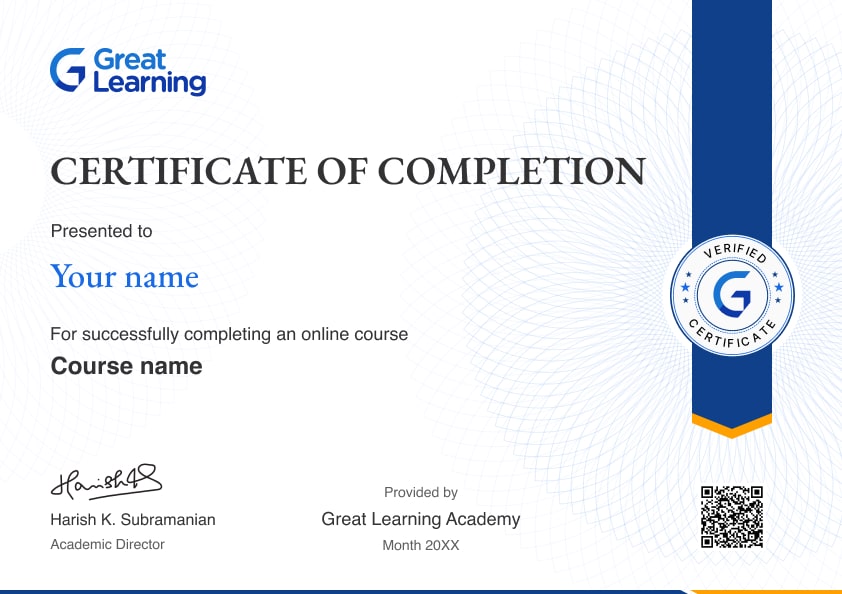
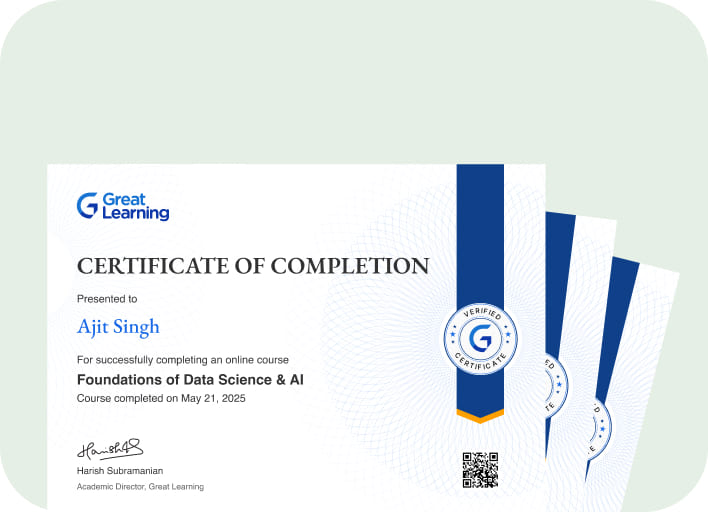
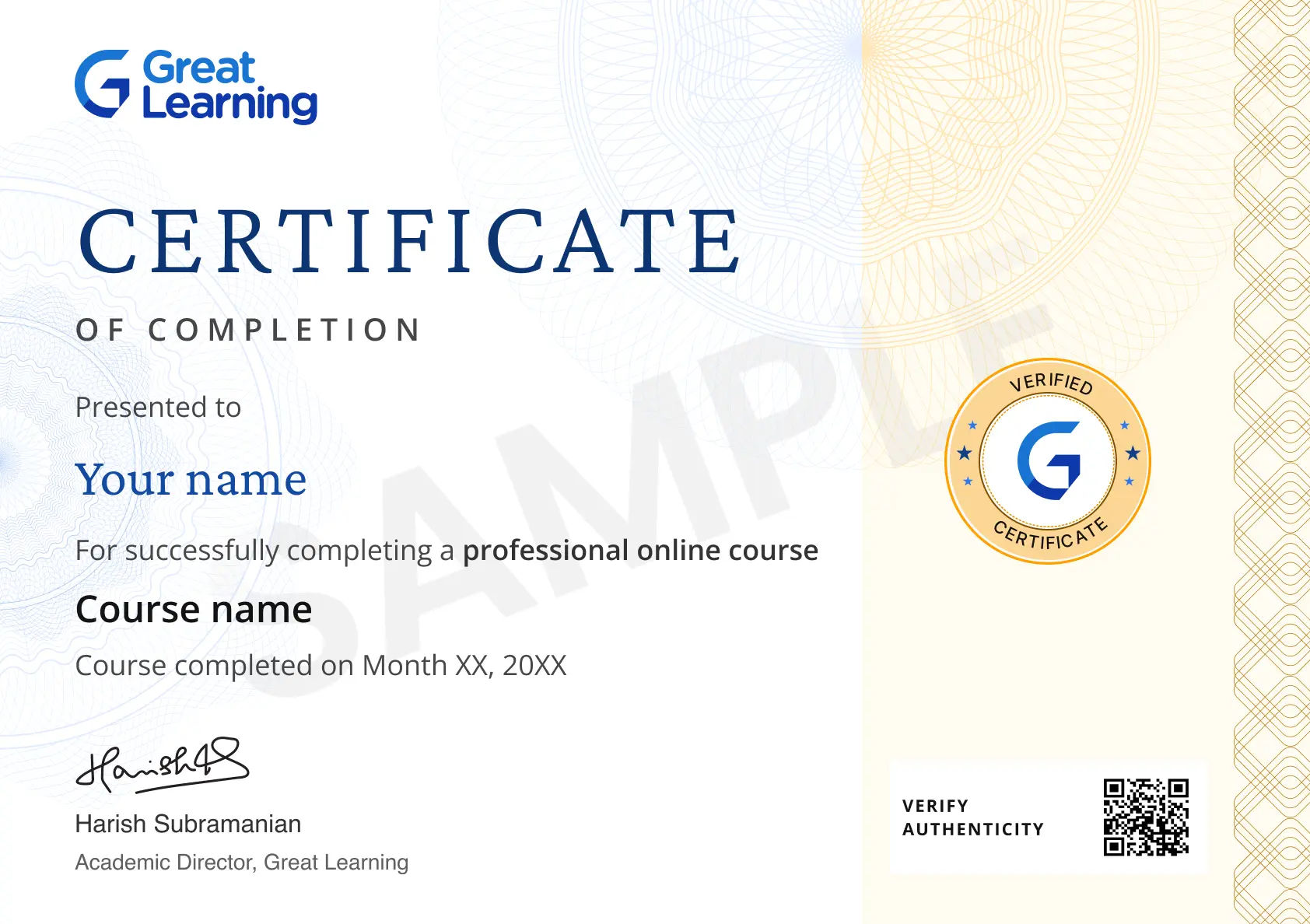
Stand out with an industry-recognized certificate

10,000+ certificates claimed, get yours today!

Get noticed by top recruiters

Share on professional channels

Globally recognised

Land your dream job

Certificate Image

Course outline

Combinational Circuit

D Flip-Flop

Excitation Table

Full-Adder

Half-Adder

JK Flip-Flop

Master-Slave Flip-Flop

SR Flip Flop

Sequential Circuit

T Flip-Flop

Get access to the complete curriculum once you enroll in the course

Computer Architecture: Digital Logic Circuits

rating icon 4.49

2.25 Hours

Beginner

16.3K+ learners enrolled so far

Get free course content

Master in-demand skills & tools

Test your skills with quizzes

Trusted by 1 Crore+ Learners globally

Learner reviews of the Free Courses

4.49
★★★★
★ ☆
★
★
★
★
★
71%
★
★
★
★
☆
18%
★
★
★
☆
☆
6%
★
★
☆
☆
☆
1%
★
☆
☆
☆
☆
4%
Reviewer Profile

4.0

★★★ ★ ☆
India
“Great Course! Clear, Engaging, and Informative”
The digital electronics course was fantastic! The clear explanations and practical examples made complex concepts easy to understand. The instructor's enthusiasm was infectious, and the course materials were well-organized. Highly recommend it to anyone interested in electronics!
Reviewer Profile

5.0

★★★★ ★
India
“Introduction to Digital Logic Circuits”
Digital logic circuits are foundational to modern electronics and computing, providing the means to process and manipulate binary data (0s and 1s). These circuits form the basis of all digital systems, such as microprocessors, memory devices, and communication systems.
Reviewer Profile

4.0

★★★ ★ ☆
India
“Comprehensive Understanding of Digital Logic Design and Computer Architecture”
The DLCA course provides a comprehensive understanding of the foundational concepts in digital logic design and computer architecture. The curriculum is well-structured, starting with the basics of binary systems, logic gates, and flip-flops, then progressing to more complex topics like combinational and sequential circuits. The hands-on lab sessions are particularly beneficial, allowing students to apply theoretical concepts in practical scenarios, reinforcing learning through real-world applications.
Reviewer Profile

5.0

★★★★ ★
India
“Engaging and Insightful Learning Experience”
The learning experience was highly engaging and insightful. The content was well-structured, allowing for easy understanding and practical application. Interactive activities and clear explanations made complex concepts manageable. However, incorporating more real-life examples could enhance relevance. Overall, it was a rewarding process that fostered critical thinking and encouraged active participation, leaving me more confident in my understanding.
Reviewer Profile

4.0

★★★ ★ ☆
India
“Digital Logic and Circuits in Computer Science”
Digital Logic and Circuits is a fundamental course in Computer Science and Electrical Engineering that deals with the design, analysis, and implementation of digital electronic circuits. Key Topics: 1. Number Systems (Binary, Decimal, Hexadecimal) 2. Boolean Algebra 3. Logic Gates (AND, OR, NOT, NAND, NOR, XOR, XNOR) 4. Combinational Logic Circuits 5. Sequential Logic Circuits (Flip-Flops, Counters, Registers)
Reviewer Profile

5.0

★★★★ ★
India
“Easy to Understand and Very Helpful”
Digital Logic is a fundamental subject that provides a solid foundation for understanding computer architecture and design. The course effectively covers essential topics such as Boolean algebra, combinational and sequential circuits, and logic gate implementations. Hands-on labs enhance practical understanding, although more interactive simulations could further engage students. The clarity of the lecture materials is commendable, but some complex topics might benefit from additional real-world examples.
Reviewer Profile

5.0

★★★★ ★
India
“Digital Logic Design and Circuits”
Digital Logic Design and Circuits is a fundamental area of study in electrical engineering and computer science, focusing on the design and analysis of digital systems that process discrete signals (0s and 1s). These systems form the backbone of all modern computing, telecommunications, and electronics. Below is an overview of key concepts and components involved in digital logic design and circuits:
Reviewer Profile

5.0

★★★★ ★
“Strong Theoretical Foundation and Practical Skills in Digital Electronics”
Understanding Digital Logic Basics Exploring Flip-Flops and Sequential Circuits Learning about Timing and Control Design and Analysis of Combinational and Sequential Circuits Working with Practical Digital Devices
Reviewer Profile

5.0

★★★★ ★
India
“Understanding Flip-Flops: Essential Components in Digital Circuit Design”
Types of Flip-Flops SR (Set-Reset) Flip-Flop: Has two inputs: Set (S) and Reset (R). When S is high, the output Q is set to 1. When R is high, Q is reset to 0. If both are low, the output remains unchanged. D (Data) Flip-Flop: Has a single data input (D) and a clock input. The output Q takes the value of D on the rising or falling edge of the clock signal. It effectively eliminates the possibility of ambiguous states. J-K Flip-Flop: A versatile flip-flop that combines the functionality of SR flip-flops. Has two inputs, J and K. If both J and K are high, the output toggles on each clock pulse.
Reviewer Profile

4.0

★★★ ★ ☆
India
“Digital Logic Circuit: Processing Discrete Information”
A digital logic circuit, also known as a digital circuit, is a module that processes discrete information using logic and arithmetic operations: Construction Digital circuits are made up of logic gates, which are small electronic circuits that perform Boolean logic functions. Logic gates are usually made from transistors but can also be made from thermionic valves.

Frequently Asked Questions

Will I receive a certificate upon completing this free course?

Yes, upon successful completion of the course and payment of the certificate fee, you will receive a completion certificate that you can add to your resume.

Is this course free?

Yes, you may enroll in the course and access the course content for free. However, if you wish to obtain a certificate upon completion, a non-refundable fee is applicable.

What will I learn in this free digital logic circuits course?

You learn Boolean logic, truth tables, combinational circuits, sequential circuits, flip-flops, circuit design, with beginner-friendly explanations that help you understand where the topic is used and how to keep learning after the course.

Is this digital logic circuits course suitable for beginners?

Yes. The course starts with foundations and explains the topic in a structured way, so learners can build context before moving into advanced tools or projects.

What should I learn next after digital logic circuits?

Next, study related tools, hands-on projects, advanced examples, and role-specific applications so the foundation from this course becomes usable.

Subscribe to Academy Pro+ & get exclusive features

$29/month

No credit card required

Learn from 40+ Pro courses

Access 500+ certificates for free

700+ Practice exercises & guided projects

Prep with AI mock interviews & resume builder

FREE
Eclipse Tutorial
star   4.51 3.3K+ Learners
1 hr
FREE
Conditional Formatting in Excel
partner logo
star   4.52 22.1K+ Learners
1 hr
FREE
Introduction to Apache Hive
star   4.51 11.6K+ Learners
4 hrs
FREE
Flutter for Beginners
star   4.45 18.7K+ Learners
0.5 hr

Similar courses you might like

FREE
Business Analytics for Beginners
star   4.44 22.3K+ Learners
2 hrs
FREE
Java Programming
star   4.48 749.3K+ Learners
2 hrs
FREE
Trees in Java
star   4.54 8.8K+ Learners
1.5 hrs
FREE
Factorial Program in C
star   4.46 5.7K+ Learners
2 hrs
Enroll For Free