Free Teaching Skills Course

Essential Teaching Skills for Educators

Beginner level 3.75 learning hrs

When you enroll in this free teaching skills course, you start with what students should know by the end of a lesson. You then use that goal to choose an activity and decide what student work will show you about their learning.
Key Highlights

Get free course content

Master in-demand skills & tools

Test your skills with quizzes

About this course

Lesson planning in the free teaching skills course starts with a decision about what students should know by the end of class. You learn how to turn a learning standard into a clear goal and choose an activity that serves it. You then consider where students might need different kinds of support. Differentiated instruction and accommodations help you think about access to the same learning goal while classroom routines give students a predictable way to participate.


The next decision comes after students respond. Formative assessment helps you see where an explanation worked and where you need to revisit it. You study how feedback and grading rubrics make expectations clearer, and how culturally responsive teaching can shape the examples you choose. Reflection and family communication round out the course by showing you how to use what you notice in class to plan the next lesson.

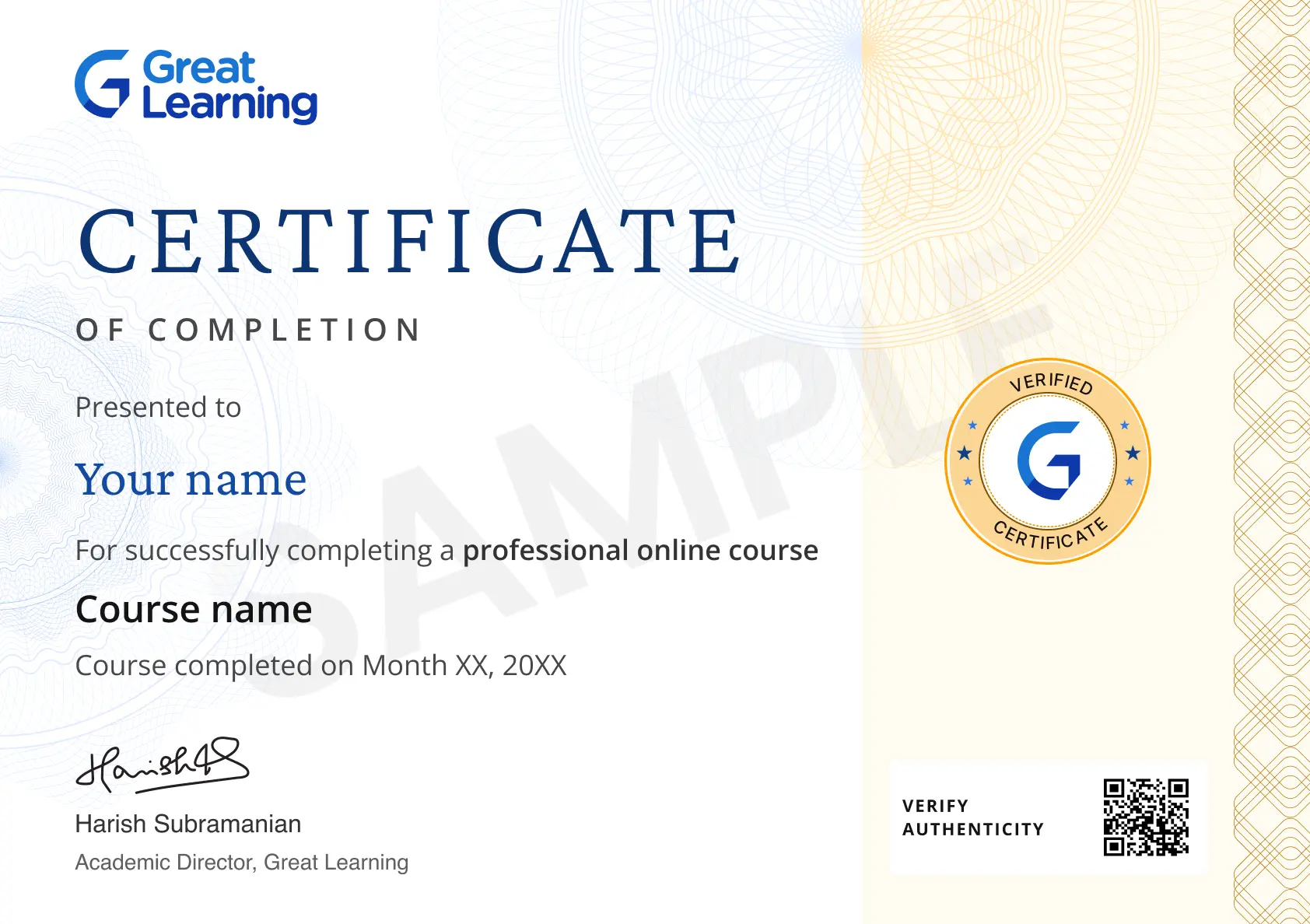
Stand out with an industry-recognized certificate

10,000+ certificates claimed, get yours today!

Get noticed by top recruiters

Share on professional channels

Globally recognised

Land your dream job

Certificate Image

Essential Teaching Skills for Educators

3.75 Hours

Beginner

Get free course content

Master in-demand skills & tools

Test your skills with quizzes

Trusted by 10 Million+ Learners globally

Frequently Asked Questions

How do I turn a learning standard into a daily lesson goal?

The free teaching skills course shows how a broad standard can guide a specific outcome for one lesson. You use that outcome to select an activity and decide what evidence will show whether students reached it.

When would I use differentiated instruction?

Use it when students need different routes into a shared learning goal. The lessons help you consider where to adjust support or participation so more learners can work toward the same intended outcome.

What role do accommodations play in inclusive teaching?

Accommodations address barriers that can keep students from taking part or showing what they know. The course introduces them alongside differentiated instruction so you can see where targeted support fits.

How can classroom routines support positive behavior?

A predictable routine tells students what to do at common points in a lesson, such as moving between activities. You study how clear expectations support classroom management before a problem needs attention.

How will I use formative assessment to decide what to reteach?

Formative assessment gives you evidence while learning is still in progress. You examine student responses for a shared misunderstanding and use that information to decide where an explanation needs another pass.

What does a grading rubric make clearer?

A rubric states the criteria used to judge student work. In the assessment lessons, you study how criteria make expectations visible and give you a consistent basis for describing what a student can improve.

How does the course approach student engagement?

The motivation lessons examine ways to involve students in classroom activities. You consider whether a task gives them a meaningful role, such as explaining an idea or showing how they reached an answer.

Where does culturally responsive teaching fit into lesson planning?

The equity lessons encourage you to consider whose experiences are represented in classroom examples. You study how the choice of examples and ways to participate can affect whether students feel included.

What will I learn about communicating with families?

The professional skills lessons include family communication as part of an educator's role. You consider how to describe a student's progress clearly and connect the conversation to a specific learning need.

How does reflection help me improve the next lesson?

You review what students did and where they needed more support. The course treats reflection as a way to choose a specific change, such as revising an explanation or adding another check for understanding.

Subscribe to Academy Pro+ & get exclusive features

$29/month

No credit card required

Learn from 40+ Pro courses

Access 500+ certificates for free

700+ Practice exercises & guided projects

Prep with AI mock interviews & resume builder

Enroll For Free