Free Maritime Course

Maritime Shipping and Logistics

Beginner level 3.75 learning hrs

A free maritime course follows cargo from the vessel to the wider supply chain. Enroll to understand port roles, shipping documents, and voyage planning so you can see where delays and responsibilities arise in a shipment.
Key Highlights

Get free course content

Master in-demand skills & tools

Test your skills with quizzes

About this course

This free maritime course explains the movement of cargo by connecting ships, ports, and commercial decisions. You learn why vessel types differ before following the work of terminals, pilots, and cargo-handling teams. Port operations lessons show how each handoff affects a shipment, helping you understand why turnaround time depends on coordination rather than the ship alone.


Maritime shipping training connects bills of lading and delivery terms with freight arrangements and delay-related costs. You then study navigation and voyage planning at an introductory level, alongside safety and environmental topics. The curriculum introduces international codes as subjects for further learning rather than a complete compliance manual. You gain a vocabulary for comparing seafaring and shore-based roles and understanding logistics conversations; completing the course does not establish seafarer competence or authorization to operate a vessel.

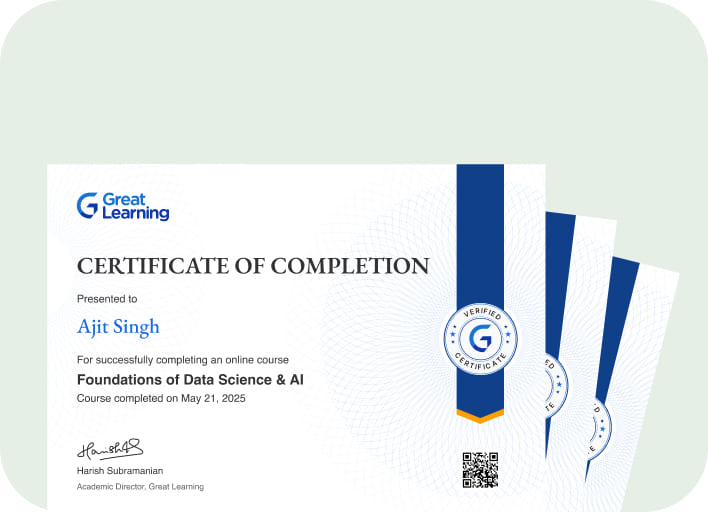
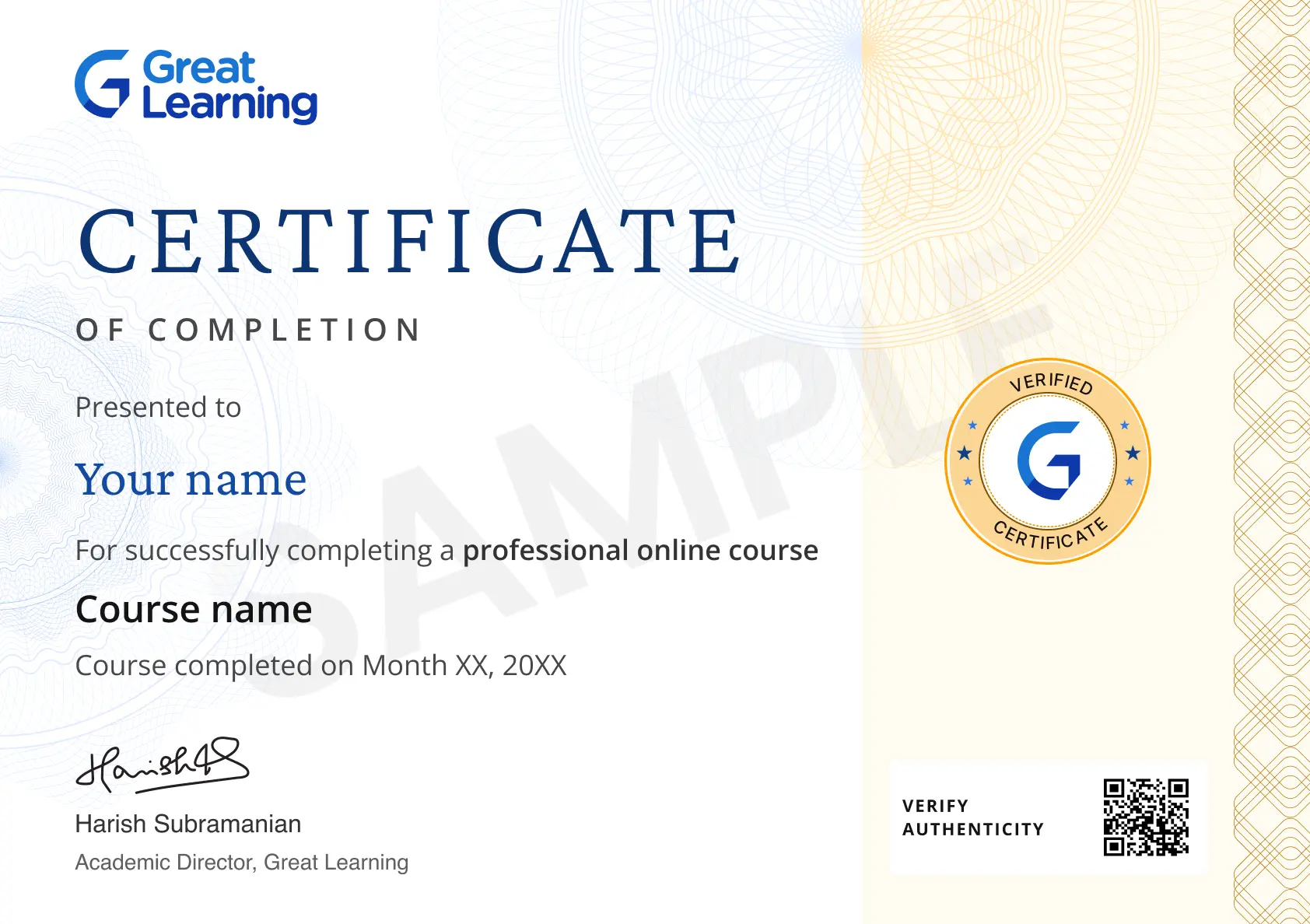
Stand out with an industry-recognized certificate

10,000+ certificates claimed, get yours today!

Get noticed by top recruiters

Share on professional channels

Globally recognised

Land your dream job

Certificate Image

Maritime Shipping and Logistics

3.75 Hours

Beginner

Get free course content

Master in-demand skills & tools

Test your skills with quizzes

Trusted by 10 Million+ Learners globally

Frequently Asked Questions

What does the free maritime course follow through a shipment?

You connect the vessel, port activities, documents, and wider supply chain. The lessons explain how responsibilities pass between participants rather than treating sea transport as a ship traveling between two points.

Which vessel types will I learn to distinguish?

The curriculum introduces container ships, bulk carriers, tankers, and specialized vessels. You study why cargo and operating needs affect vessel choice without learning to operate or approve loading on an actual ship.

How do port operations lessons explain cargo movement?

Port topics connect terminals, cargo handling, pilots, and tugs. You learn why arrival and departure rely on several services and why a delay can involve coordination beyond the ship's own crew.

What will I learn about a bill of lading?

Shipping logistics lessons introduce the document within a cargo movement. You study its purpose and relationship to the shipment without treating introductory learning as advice on a specific contract or cargo claim.

How are delivery terms connected with shipping risk?

The source introduces Incoterms alongside forwarders and brokers. You learn why responsibilities need to be understood from the agreed terms rather than assumed from who arranges a particular transport step.

What is demurrage in the shipping lessons?

Delay-related costs are introduced with freight and logistics arrangements. You learn why timing and contract terms matter, while a particular charge still needs review against the applicable commercial agreement.

Does the maritime course teach voyage planning?

Navigation topics introduce position, charts, weather, and passage planning. You gain an overview of the factors involved without treating the course as navigation qualification or permission to take responsibility for a voyage.

Which safety codes are covered in the curriculum?

The outline introduces SOLAS, MARPOL, STCW, and other international codes. You learn what areas they address rather than assume that studying an overview satisfies operational or professional compliance requirements.

How does the course connect shipping with environmental issues?

Environmental topics include ballast water, emissions, and emerging fuels. You study why these affect shipping decisions without assuming that one technology or fuel solves every operational and environmental challenge.

What is the difference between maritime and marine engineering learning?
This course emphasizes shipping, ports, logistics, and industry roles. Marine engineering concentrates on ship machinery and power, so the distinction can help you decide which area to study in greater technical depth.

Subscribe to Academy Pro+ & get exclusive features

$29/month

No credit card required

Learn from 40+ Pro courses

Access 500+ certificates for free

700+ Practice exercises & guided projects

Prep with AI mock interviews & resume builder

Enroll For Free