Free ISO/IEC 20000 Course

ISO/IEC 20000 IT Service Management

Beginner level 3.0 learning hrs 1 Learners

The free ISO/IEC 20000 course shows you how an IT team organizes the work of managing its services. Join to learn what the team needs to document, how it checks service quality, and how it follows up on gaps.

Key Highlights

Get free course content

Master in-demand skills & tools

Test your skills with quizzes

About this course

The free ISO/IEC 20000 course gives you a way to understand what a service management system does. Start with its scope: which services does the team manage, who depends on them, and who is accountable for the work? You then see how a policy, service objectives, and records help the team follow through on those responsibilities. This foundation makes the later requirements easier to read.


As you follow a service from design into daily use, you learn where acceptance checks, service levels, and supplier agreements fit. The course also shows how an incident record can inform a problem investigation or a change. By the end, you can see how gap analysis, an internal audit, and management review help a team decide what to improve first. The course suits beginners who want to understand the work that goes into running a service management system.

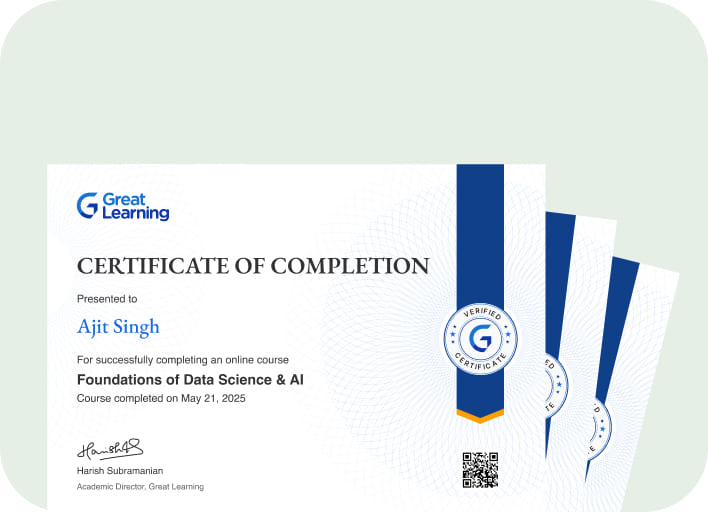
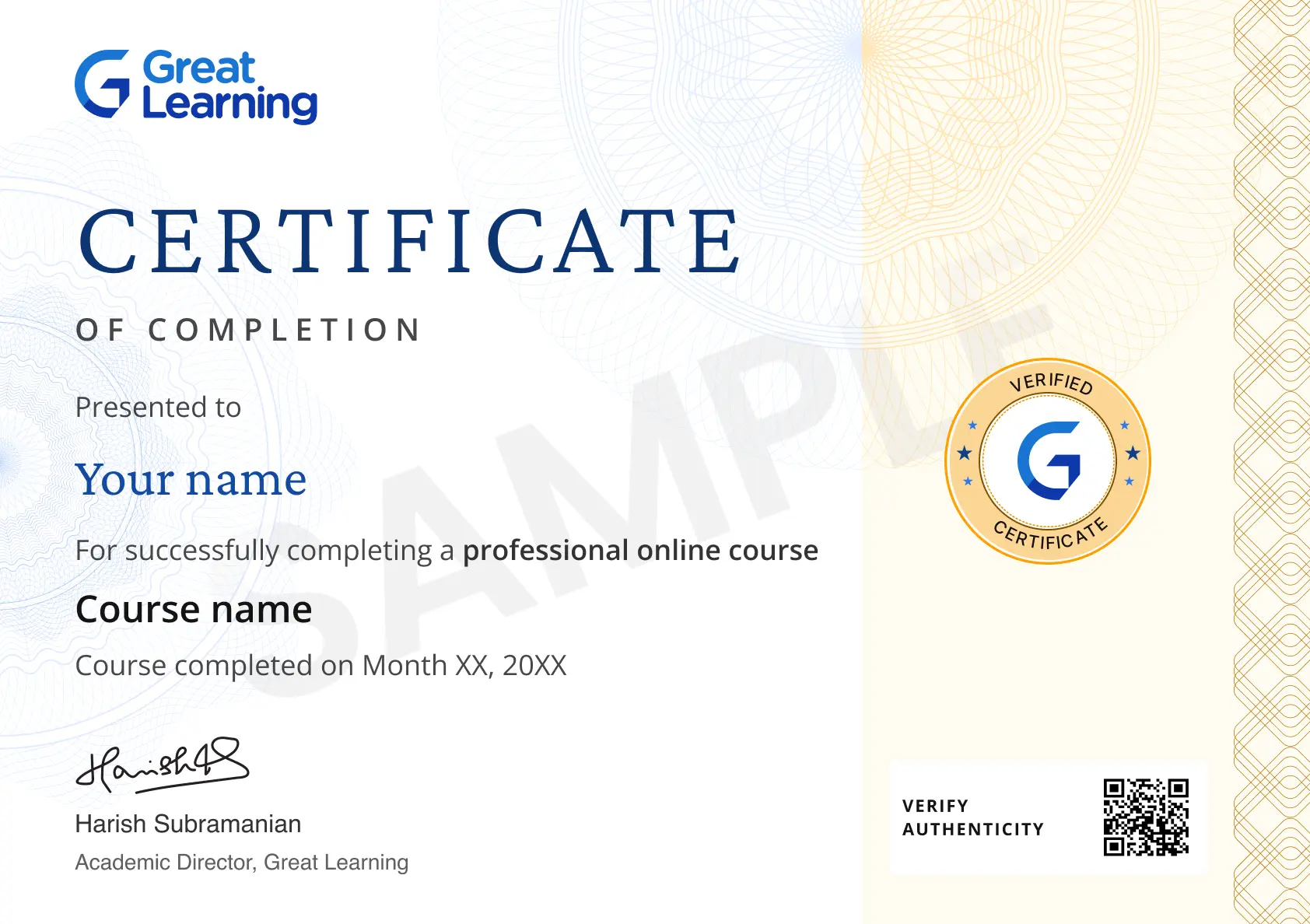
Stand out with an industry-recognized certificate

10,000+ certificates claimed, get yours today!

Get noticed by top recruiters

Share on professional channels

Globally recognised

Land your dream job

Certificate Image

Course outline

Understanding ISO/IEC 20000 and the SMS

In this module, you'll learn the purpose and structure of ISO/IEC 20000, key service management terminology, the service management system, the Plan-Do-Check-Act cycle, how the standard relates to ITIL, and the certification journey.

Building the SMS Documentation and Governance Framework

In this module, you'll learn the general SMS requirements of Clause 4, leadership commitment, the service management policy and objectives, roles and responsibilities, documented information and record control, and governance of outsourced processes.

Planning and Implementing the Service Management System

In this module, you'll learn SMS planning, risk management, resource and competence management, managing change to the SMS, scope definition, interested party requirements, and aligning SMS planning with business strategy.

Designing and Transitioning New IT Services

In this module, you'll learn service design principles, planning new or changed services, service transition planning, change management, release and deployment management, testing and validation, and service acceptance criteria.

Delivering Services Through SLAs and Suppliers

In this module, you'll learn service catalog management, service level management and SLAs, service reporting, availability and capacity management, information security management, budgeting and financial management, and supplier management.

Managing Business and Supplier Relationships

In this module, you'll learn business relationship management, complaint handling, SLA negotiation, supplier relationship management, multi-supplier environments, contracts and underpinning agreements, and escalation management.

Controlling Incidents, Problems, and Changes

In this module, you'll learn incident management, service request management, problem management and root cause analysis, configuration management and the CMDB, change management, release control, and event management.

From Gap Analysis to Sustained Certifications

In this module, you'll learn gap analysis, building an implementation roadmap, internal audits, management review, Stage 1 and Stage 2 certification audits, nonconformities and corrective actions, and maintaining certification through surveillance audits.

Get access to the complete curriculum once you enroll in the course

ISO/IEC 20000 IT Service Management

3.0 Hours

Beginner

1 learners enrolled so far

Get free course content

Master in-demand skills & tools

Test your skills with quizzes

Trusted by 10 Million+ Learners globally

Frequently Asked Questions

What should you understand before studying the requirements?

The free ISO/IEC 20000 course first explains what a service management system is. This gives you a starting point for reading the requirements and seeing how they relate to everyday service work.

What does defining the scope of the system involve?

You identify which services and activities the service management system covers. The planning lessons show why clear boundaries help a team assign responsibilities and decide whose needs to consider.

Why does the course cover control of service records?

Service records let a team see what was agreed, what changed, and who handled the work. You learn why keeping those records current helps people use the same information when making decisions.

How do you know when a new service is ready for use?

The transition lessons cover testing and acceptance criteria. You learn how to compare the service with agreed expectations and see why that check belongs before the team hands it over for daily use.

Where do service level agreements fit into the course?

A service level agreement records what the provider and customer expect from a service. The lessons show how a team can use those expectations to select useful measures and discuss service performance.

What changes when a supplier delivers part of the service?

The supplier lessons look at how teams agree responsibilities and handle issues that cross organizational boundaries. You learn why an outsourced activity still needs clear oversight and reporting.

How do configuration records help when a service changes?

Configuration records help a team understand what supports the service and how components relate. The course connects that information with the work of reviewing a proposed change or investigating a disruption.

What can you learn from a service complaint?

A complaint can show where a customer's experience differs from what the team expected. The course looks at how to handle and escalate concerns so they can inform a conversation about service quality.

What is the point of a gap analysis before an audit?

A gap analysis compares current practices with what the system requires. It helps you identify work that is missing or incomplete so the team can prioritize improvements and gather evidence for review.

What happens after an internal audit finds a problem?
The course explains how a team records a finding, considers why it happened, and follows up on a corrective action. Management review helps put that finding in the context of the wider service system.

Subscribe to Academy Pro+ & get exclusive features

$29/month

No credit card required

Learn from 40+ Pro courses

Access 500+ certificates for free

700+ Practice exercises & guided projects

Prep with AI mock interviews & resume builder

Related IT & Software Courses

50% Average salary hike
Explore degree and certificate programs from world-class universities that take your career forward.
Personalized Recommendations
checkmark icon
Placement assistance
checkmark icon
Personalized mentorship
checkmark icon
Detailed curriculum
checkmark icon
Learn from world-class faculties
  • Personalized Recommendations

    Placement assistance

    Personalized mentorship

    Detailed curriculum

    Learn from world-class faculties

    50% Average salary hike
  • Know More

Enroll For Free