
.NET Free Course with Certificate
.NET Fundamentals
 4.42
Beginner level
2.25 learning hrs
4.42
Beginner level
2.25 learning hrs
Learn .net from basics in this free online training. .Net course is taught hands-on by experts. Learn about variables, constants, looping in .net & lot more in this tutorial. Best For Beginners. Start with .net course now!
Instructor:
Ms. Sneha VK




About this course
.NET is a platform introduced by Microsoft to develop, host, deploy, maintain and execute the application. In other words, it caters to the entire development life cycle of the application, making developer life more comfortable. The .NET framework supports an object-oriented way to build various applications. These applications could be database-driven client-server applications, desktop or windows applications, web applications like Online banking portals, Online shopping websites, web applications, and web services.
Course outline
Get access to the complete curriculum once you enroll in the course
 4.42
4.42












What our learners enjoyed the most
Skill & tools
63% of learners found all the desired skills & tools
Our course instructor

Ms. Sneha VK
IT & Software Expert


Frequently Asked Questions
Will I receive a certificate upon completing this free course?
Is this course free?
Is the .NET Fundamentals course a certification course?
Will I get a certificate after completing this .Net Fundamentals free course?
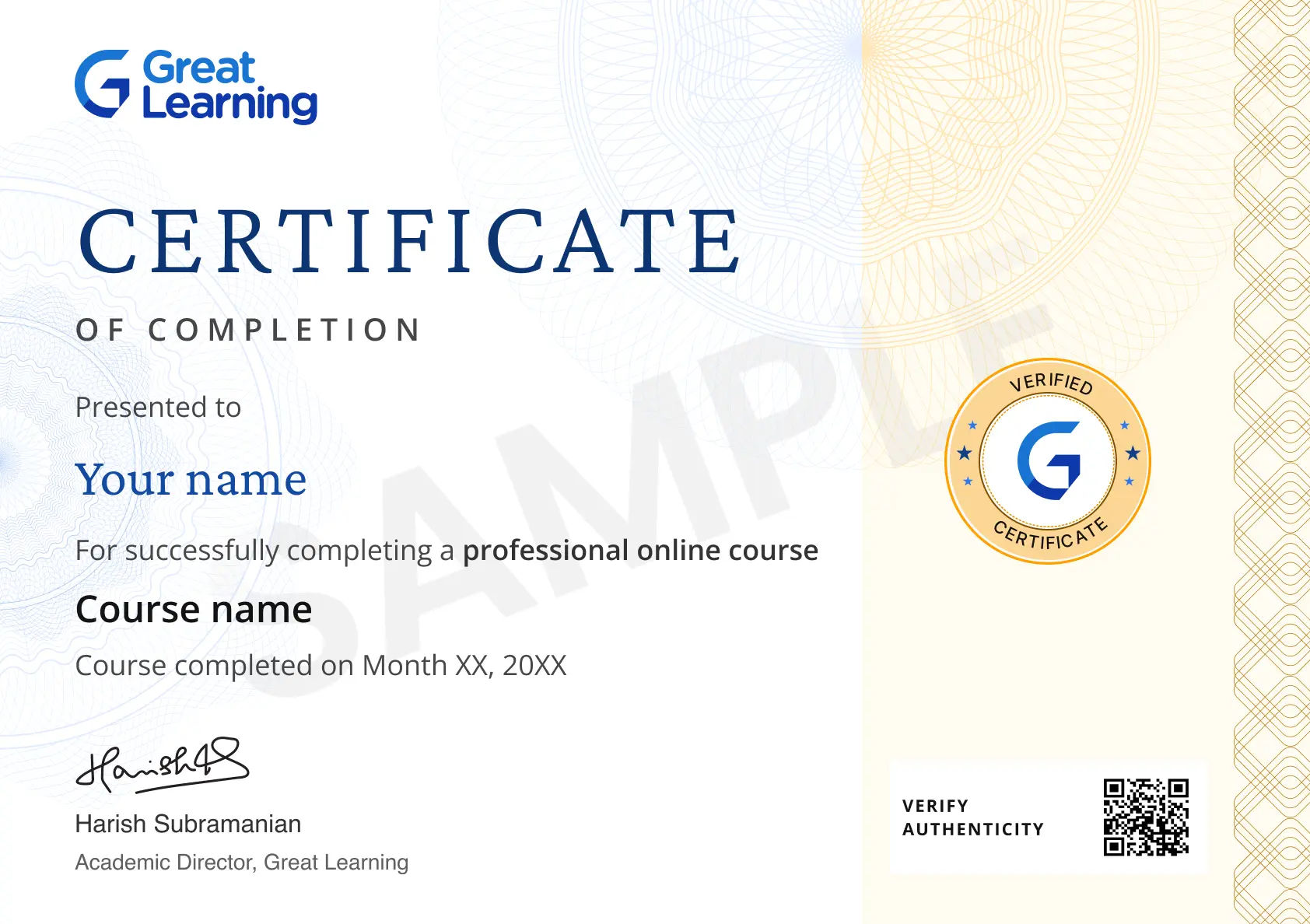
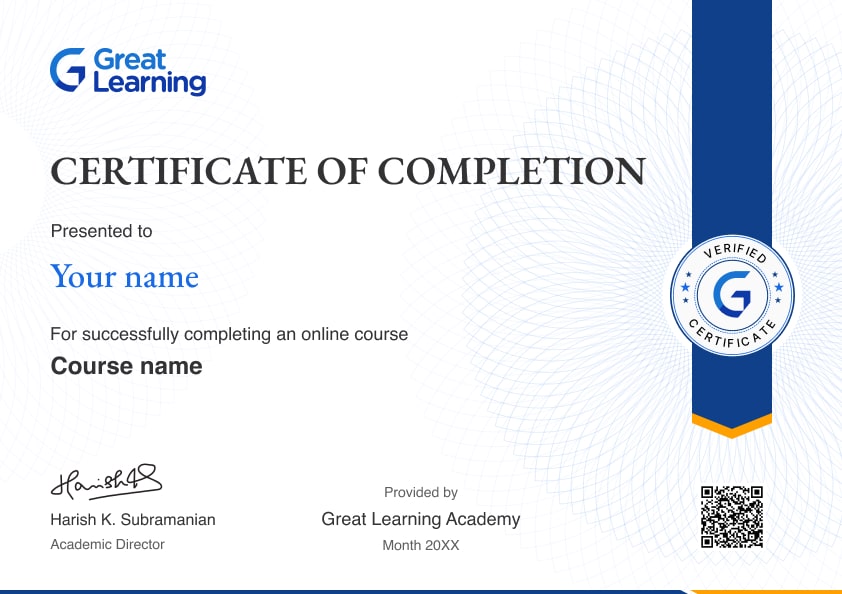
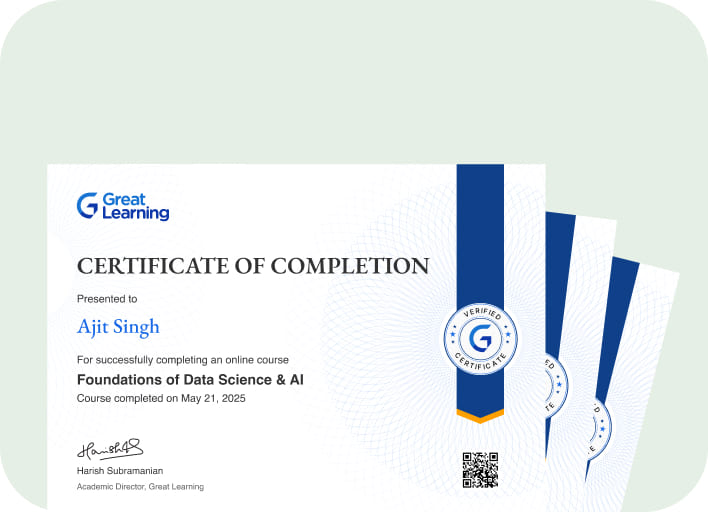
Yes, you will get a certificate of completion for .Net Fundamentals after completing all the modules and cracking the assessment. The assessment tests your knowledge of the subject and badges your skills.
How much does this .Net Fundamentals course cost?
It is an entirely free course from Great Learning Academy. Anyone interested in learning the basics of .Net Fundamentals can get started with this course.
Is there any limit on how many times I can take this free course?
Once you enroll in the .Net Fundamentals course, you have lifetime access to it. So, you can log in anytime and learn it for free online.
Can I sign up for multiple courses from Great Learning Academy at the same time?
Yes, you can enroll in as many courses as you want from Great Learning Academy. There is no limit to the number of courses you can enroll in at once, but since the courses offered by Great Learning Academy are free, we suggest you learn one by one to get the best out of the subject.
Why choose Great Learning Academy for this free .Net Fundamentals course?
Great Learning Academy provides this .Net Fundamentals course for free online. The course is self-paced and helps you understand various topics that fall under the subject with solved problems and demonstrated examples. The course is carefully designed, keeping in mind to cater to both beginners and professionals, and is delivered by subject experts. Great Learning is a global ed-tech platform dedicated to developing competent professionals. Great Learning Academy is an initiative by Great Learning that offers in-demand free online courses to help people advance in their jobs. More than 5 million learners from 140 countries have benefited from Great Learning Academy's free online courses with certificates. It is a one-stop place for all of a learner's goals.
What are the steps to enroll in this .Net Fundamentals course?
Enrolling in any of the Great Learning Academy’s courses is just one step process. Sign-up for the course, you are interested in learning through your E-mail ID and start learning them for free online.
Will I have lifetime access to this free .Net Fundamentals course?
Yes, once you enroll in the course, you will have lifetime access, where you can log in and learn whenever you want to.
Recommended Free Software Course courses
 FREE
FREE





Similar courses you might like

.jpg "Course thumbnail image")


Related IT & Software Courses

-

McCombs School of Business at The University of Texas at Austin
Post Graduate Program in Cyber Security20 weeks · Online
Know More


Relevant Career Paths >

Other IT & Software tutorials for you
.NET Fundamentals for Beginners
.NET is a software development framework designed and developed by Microsoft to build desktop, web, and mobile applications. The .NET framework provides a comprehensive set of libraries and tools that developers can use to create reliable, robust, and scalable software applications. The following are the essential .NET fundamentals that every developer should know:
- Common Language Runtime (CLR): The CLR is the heart of the .NET framework, and it is responsible for managing the execution of code written in any .NET language. The CLR provides various services such as memory management, exception handling, and security to ensure that .NET applications run efficiently and securely.
- .NET Languages: .NET framework supports various programming languages such as C#, VB.NET, F#, and many others. All of these languages are designed to work seamlessly with the .NET framework and provide developers with a high-level of abstraction to write efficient and maintainable code.
- .NET Class Library: The .NET class library is a collection of reusable types that developers can use to build .NET applications. It provides a set of pre-built classes, interfaces, and structures that developers can use to perform common tasks such as file I/O, network communication, and data manipulation.
- Integrated Development Environment (IDE): Visual Studio is a popular IDE for building .NET applications. It provides developers with a rich set of tools and features such as debugging, code refactoring, and source control integration, making it easy to build and maintain .NET applications.
- Cross-platform Support: .NET Core is a cross-platform version of the .NET framework that allows developers to build applications that run on multiple operating systems such as Windows, Linux, and macOS. This means that developers can use the .NET framework to build applications that can run on any device or platform.
- ASP.NET: ASP.NET is a web development framework that is built on top of the .NET framework. It provides developers with a set of libraries and tools that they can use to build web applications using .NET languages such as C# and VB.NET. ASP.NET also supports modern web development practices such as Model-View-Controller (MVC) and Single Page Applications (SPAs).
- Entity Framework: Entity Framework is an Object-Relational Mapping (ORM) tool that allows developers to work with relational databases using .NET objects. It provides a set of APIs that developers can use to perform common database operations such as CRUD (Create, Read, Update, and Delete) operations, without having to write SQL queries.
- NuGet: NuGet is a package manager for the .NET framework that allows developers to download and install third-party libraries and tools that they can use in their .NET applications. NuGet provides a vast collection of packages that can help developers build better applications faster.
In conclusion, .NET fundamentals are the basic building blocks that every developer needs to understand to build reliable, scalable, and robust .NET applications. The CLR, .NET languages, .NET class library, IDE, cross-platform support, ASP.NET, Entity Framework, and NuGet are some of the essential components that developers need to master to be proficient in .NET development.