Large Language Model Courses and Training

Explore large language model (LLM) courses and training for beginners and working professionals. Start with LLM fundamentals, build Python applications, or review university programs covering generative AI. Choose by your background, practical learning goal and study commitment.

Explore LLM courses

LLM courses for beginners

New to LLMs? Learn large language models and evaluation through introductory courses before choosing more specialized training.

LLM training without coding

Apply LLMs with no-code tools and business-focused training. Find programs that emphasize practical workflows rather than programming.

University programs covering LLMs

Develop expertise in large language models and evaluation through a broader university curriculum. Explore programs that connect LLMs to the responsibilities you want to take on.

Find your right learning option

Choose how far you want to take your learning

From exploring a new skill to building professional expertise, choose the learning experience that matches your goal.

Explore

Free courses

Explore a new skill and build your foundations before choosing longer training.

Best forBeginners and learners exploring a topic

  • Self-paced introductory courses
  • Foundations and selected tools
  • Free learning; certificate fees may apply
LLMs skills and tools
ChatGPTChatGPT & GPT ModelsLarge Language Models (LLMs)
Show more skills and toolsShow less
LLM Training & InferencePrompt Engineering EssentialsTokenization Fundamentals

What you getUnderstand the fundamentals

Explore free LLM courses →
Specialize

Certificate programs

Develop deeper expertise through structured university and institution programs.

Best forProfessionals seeking specialist training

  • Structured curriculum
  • Faculty and expert learning in selected programs
  • Credential and eligibility depend on the program
LLMs skills and tools
Agentic AICI/CD for LLM applicationsClassification and summarization
Show more skills and toolsShow less
Embeddings & vector databasesLightweight fine-tuningLLM evaluation & guardrails

What you getDevelop professional expertise

View university programs covering LLMs →
Advance

Degrees

Explore university degrees for broader academic study and long-term learning goals.

Best forLearners seeking a formal university qualification

  • In-depth academic curriculum
  • Admission and study requirements
  • Qualification awarded by the university
LLMs skills and tools
Computer Application DevelopmentConversational AIData Analysis
Show more skills and toolsShow less
Database ManagementJava ProgrammingLarge Language Models (LLMs)

What you getEarn a university degree

Explore Degrees →
  1. ExploreUnderstand
  2. BuildApply
  3. Get certifiedDevelop expertise
  4. TransformEarn a degree
View full comparisonHide full comparison
Compare learning, practice, tools, guidance, and credentials. Features vary by course and program.
Learning experienceExplore
Free courses
Build
Pro+
Specialize
Certificate programs
Advance
Degrees
Learn
Foundational knowledge✓✓✓✓
Advanced curriculum—✓✓✓
Structured learning—✓✓✓
Curriculum designed and delivered by faculty——✓✓
Practice
Exercises✓✓✓✓
Hands-on projectsLimited✓✓✓
Capstone / advanced project—Selected✓✓
Tools, AI & agents
Learn industry-relevant toolsSelected✓✓✓
Hands-on tool practiceBasic✓✓✓
Use tools in projectsLimited✓✓✓
Generative AI toolsSelected✓✓✓
AI coding tools—SelectedSelectedSelected
Build with AI agents—SelectedSelectedSelected
Agent frameworks & SDKs—SelectedSelectedSelected
Example tools & technologiesChatGPT, Python, Excel, SQLChatGPT, Python, Power BI, Tableau, Gemini, ClaudeChatGPT, Claude, Gemini, LangGraph, CrewAI, OpenAI Agents SDK, Google ADK, DatabricksPython, PyTorch, Hugging Face, LangGraph, LlamaIndex, Databricks, Snowflake, dbt
Get guidance
AI learning support—✓SelectedSelected
Expert / industry mentors——✓✓
Faculty-led learning——✓✓
Prove your skills
Great Learning certificateOptional✓——
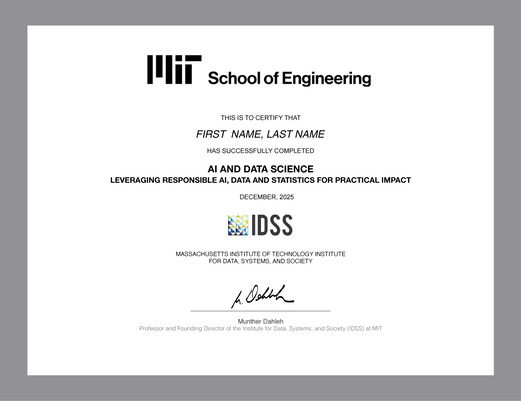
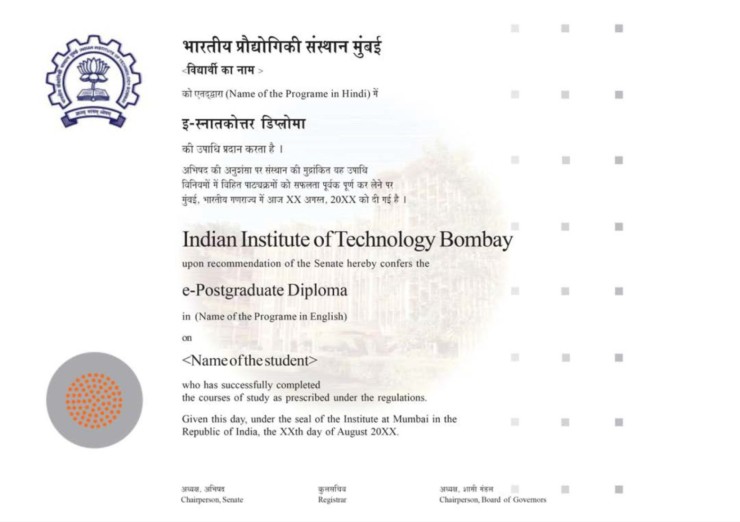
University / institution credential——✓—
University degree———✓
Advance your career
Career guidance—LimitedSelectedSelected
Interview / profile support——SelectedSelected
Peer network——✓✓

This comparison describes Great Learning's broader learning formats, not every course in this skill. Tools, technologies, projects, credentials, faculty access, and career services vary by course, program, specialization, and region. Check the program details for included features. Free course access does not include a free certificate.

Choose an LLM learning path

LLM insights and learner experiences

Watch on the source platform

Questions about learning large language models

How do I start learning large language models?

Begin with what LLMs do, how they generate text, and common limitations. Then choose a route: using models, building applications, or studying model adaptation. LLM Essentials provides an introductory starting point; the right next course depends on the task you want to perform.

Do I need Python and machine learning before an LLM course?

Requirements depend on the course. You can explore model concepts and no-code applications without first learning Python. Coding-based application courses usually need programming basics; model training and fine-tuning require additional machine learning knowledge. Check the selected course's prerequisites rather than treating one checklist as universal.

Can I learn to use LLMs without coding?

Yes. Introductory courses and no-code programs can help you understand model capabilities, prompting and business workflows. They serve a different goal from implementing a custom application in Python. Review the tools, projects and entry requirements before choosing a route.

Should I learn prompting, RAG or fine-tuning first?

Start with the task. Prompting guides an existing model's response. RAG supplies relevant external information. Fine-tuning adapts model behaviour through training examples. These approaches can be combined, but not every project needs all three. Learn evaluation throughout, and explore the relevant course curriculum for detailed instruction.

How do I choose a free course or a university certificate program?

Use a free introduction to explore the subject or fill a small knowledge gap. Consider structured university learning when its curriculum, projects, support and commitment fit a broader goal. Verify eligibility, credential and access terms on the program page. Free learning access does not imply a free certificate.