1000+ Courses for Free

Database in Data Science





 BASICS


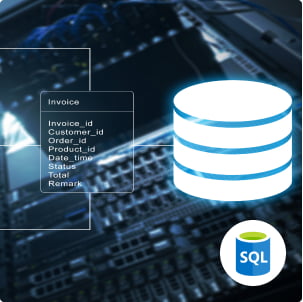


Learn Database in Data Science for Free and Get Completion Certificates
Databases in data science are crucial for managing and analyzing large volumes of data efficiently. They provide a structured way to store, retrieve, and manage data, facilitating effective manipulation and access for data scientists. This foundation is essential for robust data analysis, modeling, and informed decision-making in various data-driven projects.
Key Highlights of Our Free Database in Data Science Course
- Comprehensive Curriculum: Learn everything from basic database concepts to advanced data management techniques.
- Expert Instructors: Courses are taught by experienced professionals.
- Practical Learning: Engage with real-world data sets and case studies.
- No Cost: This is a completely free course.
Skills Covered
- Database design and management
- Writing and optimizing SQL queries
- Leveraging advanced database technologies
- Handling structured and unstructured data
Who Should Take Our Free Database in Data Science Course
- Aspiring data scientists and analysts.
- Professionals looking to enhance their data management skills.
- Anyone interested in understanding the use of databases in data science.
What Will You Learn in the Free Database in Data Science Course
- Database Design: Learn to structure databases efficiently for complex data science tasks.
- SQL Mastery: Master SQL for querying and manipulating data effectively.
- Data Management Techniques: Use advanced technologies to manage structured and unstructured data.
- Real-World Applications: Apply your skills to practical data sets to derive actionable insights.
Join this Free Database in Data Science Course by Great Learning and gain a comprehensive understanding of databases in the context of data science. You'll learn to design and manage databases efficiently, write SQL queries to extract and manipulate data and leverage specialized database technologies to handle diverse data types. This knowledge will enable you to work seamlessly with databases in data science projects, ensuring efficient data management and analysis to derive valuable insights and drive informed decision-making.

Get started with these courses
.jpg)





 India
India

 India
India
 India
India

 India
India
 India
India

 India
India

Meet your faculty
Meet industry experts who will teach you relevant skills in artificial intelligence

Mr. Udit Mehrotra

-
◆
10+ years of experience in data science
-
◆
Former Data Scientist at Mc.Kinsey & Company, Dell


Mr. Bharani Akella

Frequently Asked Questions
What is a database in data science?
In data science, a database is a structured collection of data that supports data storage, retrieval, and management, facilitating practical data analysis and decision-making.
Why are databases important in data science?
Databases are crucial for efficiently managing and querying large volumes of data, allowing data scientists to access and manipulate data quickly and accurately for analysis and modeling.
What types of databases are used in data science?
Data scientists use various types of databases, including relational databases (SQL), NoSQL databases, graph databases, and time-series databases, depending on the nature of the data and the specific requirements of the project.
Media spotlight and awards
-

Wharton Online Kickstarts the First Cohort for Its 12-Week Advanced Digital Marketing and Growth Strategies Program in Collaboration With Great Learning
Read Article
-
3 ways women can reach the C-suite even though research shows the odds are against them
Read Article
-
Helping High School Students Develop Real-Life Tech Skills
Read Article
-
How this leader is morphing education to meet the needs of today’s economy
Read Article
-
How Upskilling Can Help You Advance in Your Career
Read Article
-
OPINION: Companies will be more likely to retain top talent by investing in employees’ professional growth and development
Read Article
-
Learning opportunities will cultivate a talented, motivated workforce
Read Article
-
Great Learning Collaborates with Wharton Online to Expand Access to Premier Business Courses
Read Article
-
The Great Resignation & The Future Of Work: Mohan Lakhamraju Of Great Learning On How Employers and Employees Are Reworking Work Together
Read Article
-
Hispanic Heritage Month: Great Learning celebrates the inspiring stories of resilience and courage of its Hispanic American Learners
Read Article