
Exclusively available to PGP-AIML learners
Master of Applied Artificial Intelligence (Global)
 Application closes on
10th Sep 2026
Application closes on
10th Sep 2026
 Speak with our expert
+918046802025
Speak with our expert
+918046802025




Learn more about the course
Get details on syllabus, projects, tools, and more
Master of Applied Artificial Intelligence (Global)
Application closes 10th Sep 2026
Program Outcomes
Elevate your expertise with Applied AI skills
Build advanced AI skills across algorithm design, deployment & human-aligned systems
-
Develop strong mathematical and statistical foundations to understand and build modern AI algorithms
-
Design, develop, and deploy AI solutions from concept to deployable artefact
-
Apply Deep Learning techniques to structured and unstructured data, including images, videos, and text
-
Implement Reinforcement Learning methods across complex decision environments
-
Build ethical, safe, explainable, and human-aligned AI systems
-
Develop novel AI solutions in Computer Vision, Speech Processing, and Robotics
Key program highlights
Why choose this masters degree?
-

Masters in Applied AI from Deakin University
Earn a globally reputed Masters from Deakin University, Australia—at 1/10th the cost of a 2-year on-campus degree
-
Designed and Delivered by Deakin Faculty
Learn directly from the expert faculty of Deakin University, ensuring a world-class education and exposure to cutting-edge research
-
Exclusive to PGP-AIML Learners
This program is exclusively available as a pathway for learners who have completed the PGP in AI & ML, recognising your prior learning
-
12-Month Online Degree
Complete a full Masters degree in just 12 months with a flexible online format designed specifically for working professionals
-
Industry-Focussed Curriculum
The curriculum emphasises practical skills and real-world problem-solving, covering advanced topics such as Robotics and Human-Aligned AI
-
Continuous Career Progression
Learn without pausing your career. The online delivery allows you to upskill while continuing to work and gain experience


Skills you will learn
Reinforcement Learning
Computer Vision
Speech Processing
Deep Learning
Human Aligned AI
Mathematics for AI
AI Solution Engineering
Ethical & Explainable AI
Robotics
Deployable AI Systems
Reinforcement Learning
Computer Vision
Speech Processing
Deep Learning
Human Aligned AI
Mathematics for AI
AI Solution Engineering
Ethical & Explainable AI
Robotics
Deployable AI Systems
view more
- Overview
- Curriculum
- Faculty
- Fees
This program is ideal for
The Master of Applied Artificial Intelligence (Global) helps you align your learning with your career goals
-
Early-Career Professionals
Strengthen your foundation in Applied AI and build the expertise needed to grow in technical roles
-
Mid–Senior Professionals
Enhance your AI capabilities to advance into strategic and innovation-driven roles
-
Non-tech professionals
Develop structured knowledge in Applied AI to pivot into AI-focused career paths.
-
Tech Leaders
Lead AI-driven initiatives with advanced knowledge and strategic insight
Curriculum
The curriculum, designed and delivered by faculty experts, emphasises practical, industry-relevant skills
TRIMESTER 1
Reinforcement Learning
Engineering AI Solutions
TRIMESTER 2
Robotics, Computer Vision and Speech Processing
Deep Learning
TRIMESTER 3
Human Aligned Artificial Intelligence
Mathematics for Artificial Intelligence
Note: The curriculum listed above are indicative and subject to updates as technology evolves.
Meet your faculty
-
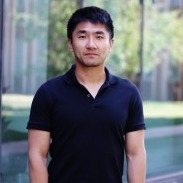
Gang Li
Professor; Faculty of Science Engineering and Built Environment/School of Information Technology
Professor at Deakin and Director across multiple AI labs
IEEE Senior Member with expertise in AI, data privacy and ML
Know More
-
Dr. Sutharshan Rajasegarar
Associate Professor; Faculty of Science Engineering and Built Environment/School of Information Technology
Course Director for Data Science at Deakin University
Research leader in AI and federated machine learning
Know More
-
Dr. Asef Nazari
Associate Professor; Faculty of Science Engineering and Built Environment/School of Information Technology
Associate Professor at Deakin and HDR Coordinator
Expert in optimisation, AI and large-scale data systems
Know More
-
Dr. Bahareh Nakisa
Senior Lecturer Faculty of Science Engineering and Built Environment/School of Information Technology
Senior Lecturer in Applied AI and Course Director at Deakin
Expert in AI, deep learning and human-centred AI systems
Know More
-
Fatima Ansarizadeh
Lecturer, Applied Artificial Intelligence; Faculty of Science Engineering and Built Environment/School of Information Technology
Applied AI Lecturer at Deakin with a PhD from Swinburne
Leads applied research in AI, ML and Data Science domains
Know More
-
Dr Wei-Yu Chiu
Associate Professor, Mathematics; Faculty of Science Engineering and Built Environment/School of Information Technology
Associate Professor at Deakin, specialising in AI for energy systems
Expert in ML, RL and optimisation for smart energy solutions
Know More
-
Dr Kelvin Li
Lecturer, Mobile and Quantum Computing; Faculty of Science Engineering and Built Environment/School of Information Technology
Lecturer at Deakin in Quantum Computing and Cryptography
Expert in lattice cryptography and privacy-preserving AI
Know More
-
Dr Thommen George
Lecturer, Information Technology (AI); Faculty of Science Engineering and Built Environment/School of Information Technology
Lecturer in AI at Deakin and Associate Director, Bachelor of AI
Expert in reinforcement learning and human-guided AI systems
Know More
-
Dr Anuroop Gaddam
Senior Lecturer; Faculty of Science Engineering and Built Environment/School of Information Technology
Senior Lecturer at Deakin, specialising in AI, ML and IoT
Expert in health informatics and smart, sustainable systems
Know More












 LinkedIn Profile
 University Link
Course Fees
Invest in your career
-
Globally Recognised Masters from Deakin University
-
Designed and Delivered by Deakin Faculty
-
Industry-Focussed Curriculum
-
Continuous Career Progression


Admission Process
Admissions close once the required number of participants enroll. Apply early to secure your spot
-
Apply
Fill out an online application form
-
Get Reviewed
Go through a screening call with the Admission Director’s office
-
Join the program
Your profile will be shared with the Program Director for final selection


Course Eligibility
- Applicants must hold a Bachelor’s degree in any discipline from a recognized university with a minimum aggregate score of 60%
- Must have successfully completed the PGP-AIML program with the required minimum CGPA
- Must meet Deakin’s minimum English Language requirement
 Application closes
10th Sep 2026
Application closes
10th Sep 2026


Hey there! Welcome back.

Forgot your password? No problem.

You are already registered. Please login instead.
Login
Forgot Password?
Enter your registered email and we'll send you a link to change your password.