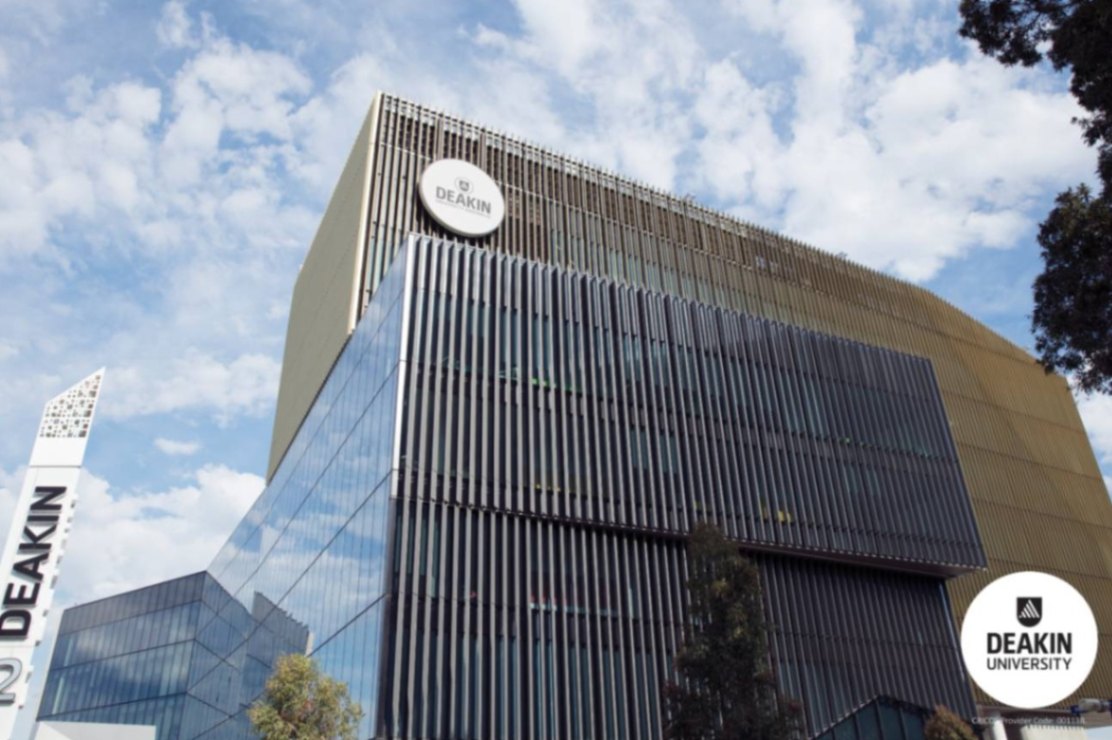
Global Masters in Applied AI from Deakin University
Master of Applied Artificial Intelligence (Global)
 Application closes on
28th Oct 2026
Application closes on
28th Oct 2026
 Speak with our expert
+16626414841
Speak with our expert
+16626414841




Learn more about the course
Get details on syllabus, projects, tools, and more
Learn more about the course
Application closes 28th Oct 2026
Program Outcomes
Upgrade your expertise in Applied AI
Develop advanced AI expertise across algorithms, deployment & alignment
-
Develop math and statistics skills to understand and build AI models
-
Create, develop, and launch AI solutions from idea to deployable systems
-
Apply Reinforcement Learning to complex decision-making environments
-
Build ethical, safe, explainable, and human-aligned AI systems
-
Develop novel AI solutions in Computer Vision, Speech Processing, and Robotics
-
Leverage Deep Learning for multimodal data: text, images, and video
Key program highlights
Why choose this Masters degree?
-

A global masters degree & PG certificate
Earn a Master's degree and a postgraduate certificate from leading international universities at just a fraction of the cost of a traditional two-year on-campus master's program
-
Practical, hands-on learning from world-class faculty
Live virtual classes, Industry sessions and competency courses delivered by experts and faculty at Deakin.
-
Industry-focussed curriculum
The curriculum emphasises practical skills and real-world problem-solving, covering advanced topics such as Robotics and Human-Aligned AI
-
Dedicated career support
Get expert guidance to prepare for job roles with mock interviews, resume building, and e-portfolio review
-
Avail alumni benefits
Join the alumni portal with over 300,000 Deakin graduates, reconnect, and meet with fellow alumni across the globe
-
11+ hands-on projects & 27+ tools
The program includes 11+ hands-on projects, 60+ case studies, 1 capstone project, and 27+ tools to strengthen practical and conceptual knowledge


Skills you will learn
Reinforcement Learning
Computer Vision
agentic AI
Deep Learning
speech processing
Human Aligned AI
mathematic in AI
AI Solution Engineering
Ethical & Explainable AI
generative ai
Robotics
Deployable AI Systems
Reinforcement Learning
Computer Vision
agentic AI
Deep Learning
speech processing
Human Aligned AI
mathematic in AI
AI Solution Engineering
Ethical & Explainable AI
generative ai
Robotics
Deployable AI Systems
view more
- Overview
- Curriculum
- Faculty
- Fees
This program is ideal for
The Master of Applied Artificial Intelligence (Global) helps you align your learning with your career goals
-
Early-Career Professionals
Strengthen your Applied AI foundation and grow into technical roles.
-
Mid–Senior Professionals
Advance your career with AI expertise in strategy and innovation.
-
Non-Tech professionals
Gain structured Applied AI knowledge for AI career transition.
-
Tech Leaders
Head AI-driven initiatives with strong strategic and technical insight.
Curriculum
This Master of Applied Artificial Intelligence (Global) emphasises hands-on learning and real-world relevance. Built by university faculty and industry experts, it develops practical skills in areas like AI, ML, Agentic AI, Robotics, and Human-Aligned AI, helping learners stay ahead in a fast-changing landscape.
Year 1 (PGP-AIML)
Course: Introduction to AI Landscape
Course 01: Python Foundations
Course 02: Data Manipulation and EDA
Course 03: Linear Regression, Decision Tree, K-means Clustering
Course 04: Bagging, Boosting and Model Tuning
Course 05: Neural Network
Course 06: Attention Mechanism, Transformers Transformers, LLM, Prompt engineering & RAG
Course 07: AI Agents Workflow, Planning, Reasoning and Evaluating AI Agents
Course 08: Model Deployment & Containerization
Course 09: Generative AI Code Creation, Image and Speech Recognition using GenAI
Course 10: Computer Vision & CNN
Course 11: Probablity & Hypothesis Testing
Course 12: SQL & DB
Course 13: Capstone
Year 1 (Advance Module)
Year 2 (Deakin Masters)
TRIMESTER 1
TRIMESTER 2
Note: The curriculum listed above are indicative and subject to updates as technology evolves.
Meet your faculty
-
Gang Li
Professor; Faculty of Science Engineering and Built Environment/School of Information Technology
Professor at Deakin and Director across multiple AI labs
IEEE Senior Member with expertise in AI, data privacy and ML
Know More
-
Dr. Asef Nazari
Associate Professor; Faculty of Science Engineering and Built Environment/School of Information Technology
Associate Professor at Deakin and HDR Coordinator
Expert in optimisation, AI and large-scale data systems
Know More
-
Dr. Bahareh Nakisa
Senior Lecturer Faculty of Science Engineering and Built Environment/School of Information Technology
Senior Lecturer in Applied AI and Course Director at Deakin
Expert in AI, deep learning and human-centred AI systems
Know More
-
Fatima Ansarizadeh
Lecturer, Applied Artificial Intelligence; Faculty of Science Engineering and Built Environment/School of Information Technology
Applied AI Lecturer at Deakin with a PhD from Swinburne
Leads applied research in AI, ML and Data Science domains
Know More
-
Dr Kelvin Li
Lecturer, Mobile and Quantum Computing; Faculty of Science Engineering and Built Environment/School of Information Technology
Lecturer at Deakin in Quantum Computing and Cryptography
Expert in lattice cryptography and privacy-preserving AI
Know More







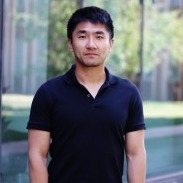
 LinkedIn Profile
 University Link
Course Fees
The course fee is USD 8,500
Invest in your career
-
A World-Class Credential for Future Leaders
-
Practical, hands-on learning from world-class faculty
-
Industry-Focused Curriculum
-
Master in-demand AI tools and become future-ready


Admission Process
Admissions close once the required number of participants enroll. Apply early to secure your spot
-
Apply
Fill out an online application form
-
Get Reviewed
Go through a screening call with the Admission Director’s office
-
Join the program
Your profile will be shared with the Program Director for final selection


Course Eligibility
- Applicant must meet Deakin’s minimum English Language requirement
- Candidates should have a bachelors degree (minimum 3-year degree program) in a related discipline OR a bachelors degree in any discipline with at least 2 years of work experience
 Application closes
28th Oct 2026
Application closes
28th Oct 2026

-
Johns Hopkins University
Certificate Program in AI and Agentic AI Engineering
22 Weeks · Mentored
-
Johns Hopkins University
Certificate Program in AI Business Strategy
10 weeks · Online
-
MIT Professional Education
No Code and Agentic AI
14 Weeks · Online · Weekend
Learn from MIT Faculty -
McCombs School of Business at The University of Texas at Austin
PG Program in Artificial Intelligence and Machine Learning: Business Applications
23 Weeks · Online · Weekend
-
MIT Professional Education
Applied AI and Data Science Program
15 Weeks · Live Online · Weekdays & Weekend
-
McCombs School of Business at The University of Texas at Austin
PG Program in Artificial Intelligence for Leaders
4 Months · Online · Weekend
No Programming Exp Required -
Johns Hopkins University
Applied Generative AI and Agentic AI
16 weeks · Online
-
12 weeks · Online
-
6 Weeks · Online · Weekend
Money Back Guarantee -
Microsoft Azure
Generative AI for Business with Microsoft Azure OpenAI Program
16 weeks · Online
-
Johns Hopkins University
AI and Agentic AI in Healthcare
10 weeks · online
-
Johns Hopkins University
Certificate Program in Agentic AI
18 Weeks · Online
-
McCombs School of Business at The University of Texas at Austin
PG Program in Artificial Intelligence and Machine Learning: Business Applications
23 Weeks · Online · Weekend
-
McCombs School of Business at The University of Texas at Austin
PG Program in Artificial Intelligence for Leaders
4 Months · Online · Weekend
No Programming Exp Required -
3 Months · Online
-
McCombs School of Business at The University of Texas at Austin
Chief Technology Officer (CTO) Program
6 Months · Blended
-
Johns Hopkins University
Certificate Program in Artificial Intelligence: Applied ML, GenAI, and Agents
5 Months · Online
-
McCombs School of Business at The University of Texas at Austin
Post Graduate Program in AI Agents for Business Applications
12 Weeks · Online
-
MBS School of Business
Master of Science (MSc) Artificial Intelligence (AI)
2 years · Mentored
-
McCombs School of Business at The University of Texas at Austin
Professional Certificate in Generative AI and Agents for Software Development
14 weeks · Mentored
-
Chicago Booth Executive Education
AI Transformation and Leadership
10 Weeks · Mentored
-
McCombs School of Business at The University of Texas at Austin
Postgraduate Program in AI Agents and Generative AI for Business Applications
3 Months · Mentored
-
Johns Hopkins University
No-Code Generative AI and Agentic AI
12 Weeks · Mentored
-
Johns Hopkins University
AI for Senior Executives Program
6 Months · Blended
-
Johns Hopkins University
AI and Agentic AI in Finance
10 Weeks · Mentored









Similar free courses for you
-

 Beginner
 4.5 Hrs
Digital Image Processing
-

 Intermediate
 2.5 Hrs
TensorFlow Python
-

 Beginner
 4.5 Hrs
Introduction to Natural Language Processing
-

 Intermediate
 1.5 Hrs
Introduction to Deep Learning
-

 Beginner
 3.5 Hrs
Introduction to Tensorflow and Keras
-

 Beginner
 0.5 Hrs
Introduction to Recommendation Systems
-

 Intermediate
 1.5 Hrs
Semantic Segmentation Tutorial
-

 Beginner
 2.0 Hrs
n8n Workflow Automation
-

 Beginner
 1.0 Hrs
How to Build your own Chatbot using Python?
-

 Beginner
 2.5 Hrs
Microsoft 365 Essentials: Tools for Modern Work
.jpg "Digital Image Processing")


.png "Introduction to Tensorflow and Keras")


.jpg "n8n Workflow Automation")
Explore latest trends & topics
-
Is AI Making Entry-Level Hiring Harder?
2026-06-09 08:45:15 UTC
-
How Much Coding Do AI and LLM Jobs Require?
2026-06-09 08:43:15 UTC
-
Should HR Learn AI and Automation Skills?
2026-06-09 08:40:31 UTC
-
Does Avoiding AI at Work Limit Career Growth?
2026-06-09 08:36:09 UTC
-
Best AI Degrees for Working Professionals
2026-06-09 07:35:40 UTC
-
Build No-Code Agents & Workflows for Any Role
2026-06-09 07:30:54 UTC






Hey there! Welcome back.

Forgot your password? No problem.

You are already registered. Please login instead.
Login
Forgot Password?
Enter your registered email and we'll send you a link to change your password.