
Artificial intelligence now operates autonomously. Organizations no longer rely on simple bots that follow basic scripts. They deploy AI agents that reason, plan, and execute tasks without human prompts.
This marks the rise of Agentic AI. Unlike traditional tools that respond to a prompt and stop, agentic systems set subgoals, select tools, and execute multi-step tasks end-to-end with minimal human input. As covered in Why Agentic AI Is One of the Most Important AI Shifts of 2025 and 2026, this transition is already reshaping how enterprises operate.
This shift fundamentally changes project management. Today's managers must direct digital workers who run SQL queries, draft scripts, generate reports, and push code to production, not just coordinate human teams.
The scale of adoption is significant: a McKinsey survey found 62% of organizations are already experimenting with Agentic AI, and Gartner estimates 40% of enterprise applications will include task-specific AI agents by 2026, up from under 5% in 2025.
Project managers who master these skills, designing AI workflows, configuring governance, and aligning autonomous tools with business targets, will lead the next era of enterprise operations.
Understanding Agentic AI in Project Management
Agentic AI works differently from standard chatbots. Conventional tools require a human prompt to trigger an action. Agentic AI systems evaluate a goal, break it into distinct steps, and collaborate with other APIs to finish the job.
Consider a stakeholder briefing. You do not ask the agent to summarize a single document. You assign the agent a core objective: build a quarterly performance deck.
The agent pulls Salesforce data, queries Google Analytics, flags budget overruns, and generates a formatted slide deck. It reviews its own work before sending you the final draft. No manual clicks. Just automated execution.
This autonomy moves AI from a basic utility to an active team member.
Project managers use these agents for specific workflows:
- Generating automated timelines in MS Project
- Identifying supply chain bottlenecks
- Reallocating budgets based on real-time AWS spend
- Drafting weekly status updates for executive teams
- Scraping competitor pricing data
You no longer manage isolated software tools. You govern an interconnected AI ecosystem.
Orchestrating Multi-Agent Workflows
Managing AI agents is becoming an important part of the project manager's role. Traditionally, project managers coordinated developers, designers, and business analysts.
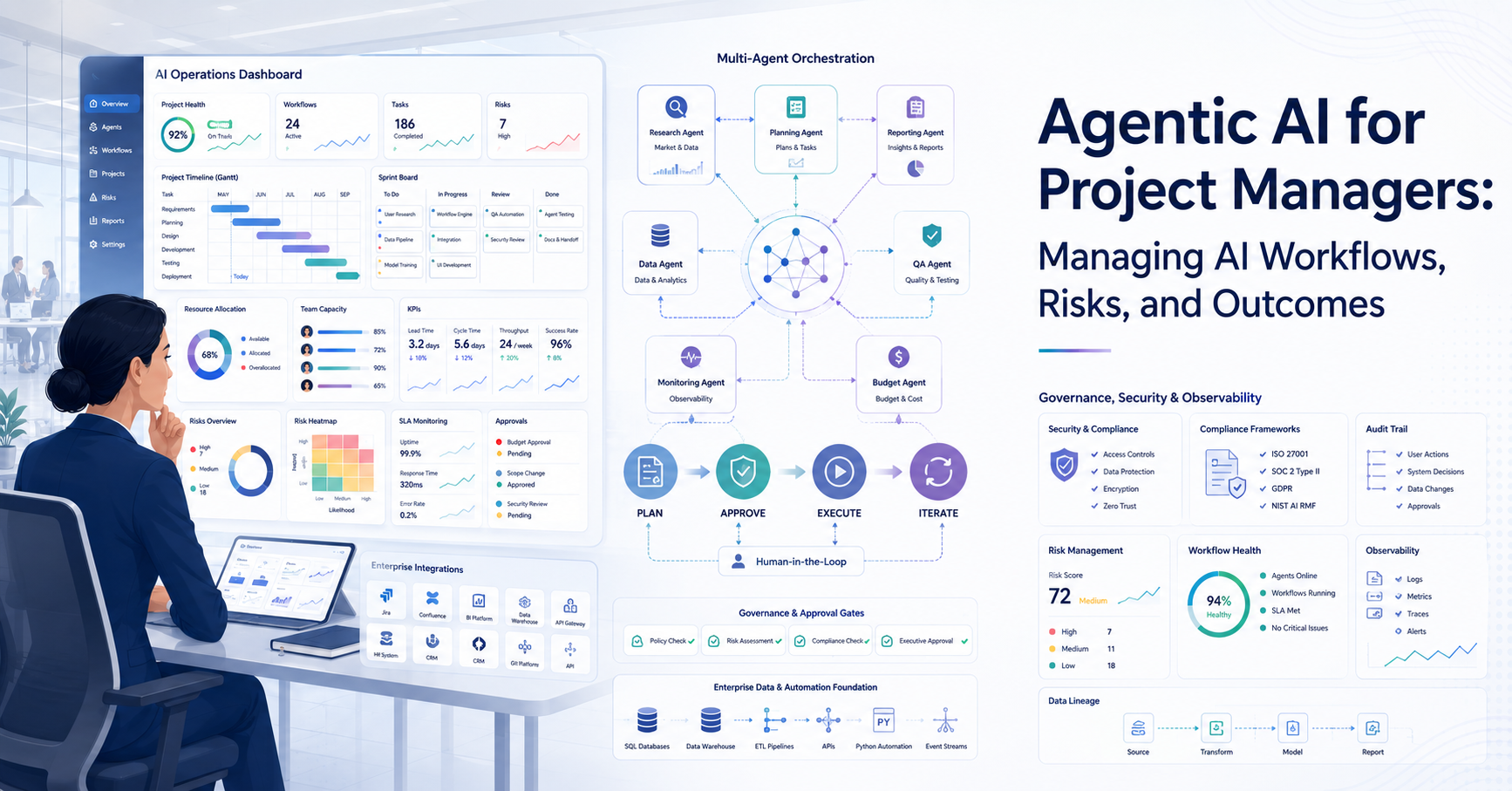
Today, they may also oversee AI agents that handle tasks such as market research, project planning, reporting, testing, and performance monitoring.
The benefits can be substantial. GitHub reports that developers using AI tools such as Copilot complete coding tasks up to 55% faster.
Capital One's agentic "Chat Concierge" system improved lead conversions by 55% through autonomous appointment scheduling and test-drive coordination.
As this responsibility expands, project managers are expected to understand workflow automation, agent collaboration patterns, and AI-assisted execution models.
Professionals looking to build practical experience in these areas often explore structured learning paths focused on AI workflows and agent-driven productivity, such as the agentic AI course by Great Learning, which emphasizes real-world automation and workflow design.
AI-Native Professional: Workflows & Agents for Productivity
Transition from basic AI usage to building automated, multi-step workflows and deploying AI agents. Perfect for functional professionals with no coding background.
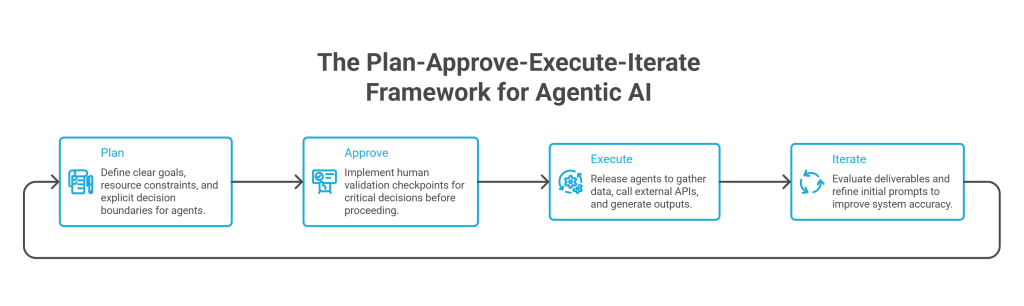
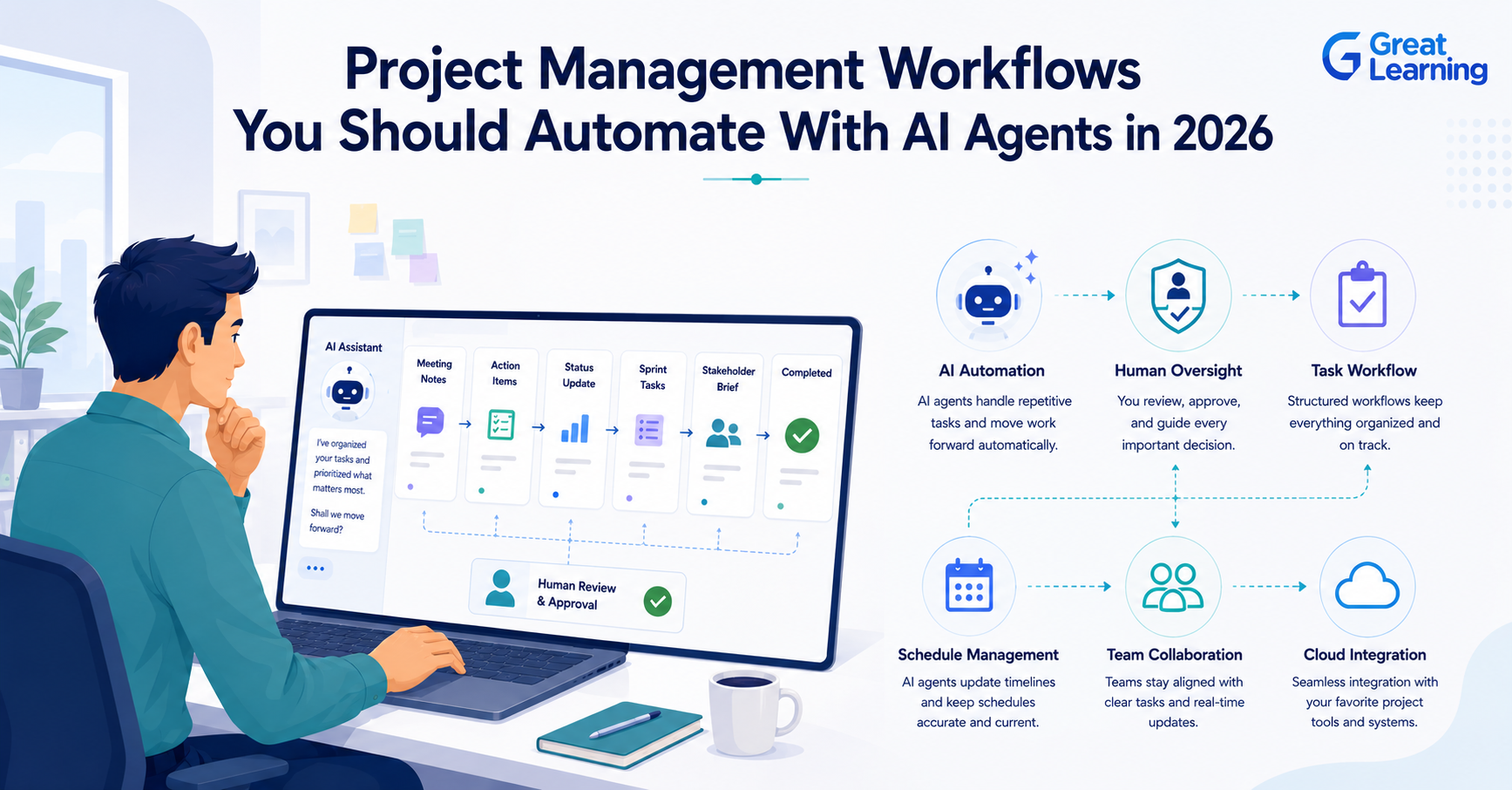
The Plan → Approve → Execute → Iterate Framework
Use this practical framework to maintain control:
- Plan: Define clear goals and resource constraints. Give agents explicit instructions regarding their decision boundaries.
- Approve: Build human validation checkpoints. Critical decisions must require manual sign-off before the system proceeds.
- Execute: Release the agents to gather data, call external APIs, and generate the required outputs.
- Iterate: Evaluate the final deliverables. Refine the initial prompts to improve system accuracy. For project managers wanting to master this step, the Generative AI Training Course by Great Learning is a helpful starting point to understand how AI instructions directly influence output quality
This structure scales operations while maintaining strict accountability.
Tool Integration and Data Connectivity
An AI agent requires data to function. Project managers must configure secure access to enterprise systems like Jira, Salesforce, Tableau, and Confluence.
An isolated agent provides zero value. However, excessive system access creates massive security vulnerabilities. Strict permission management is non-negotiable.
Managing Risks and Enforcing Responsible AI
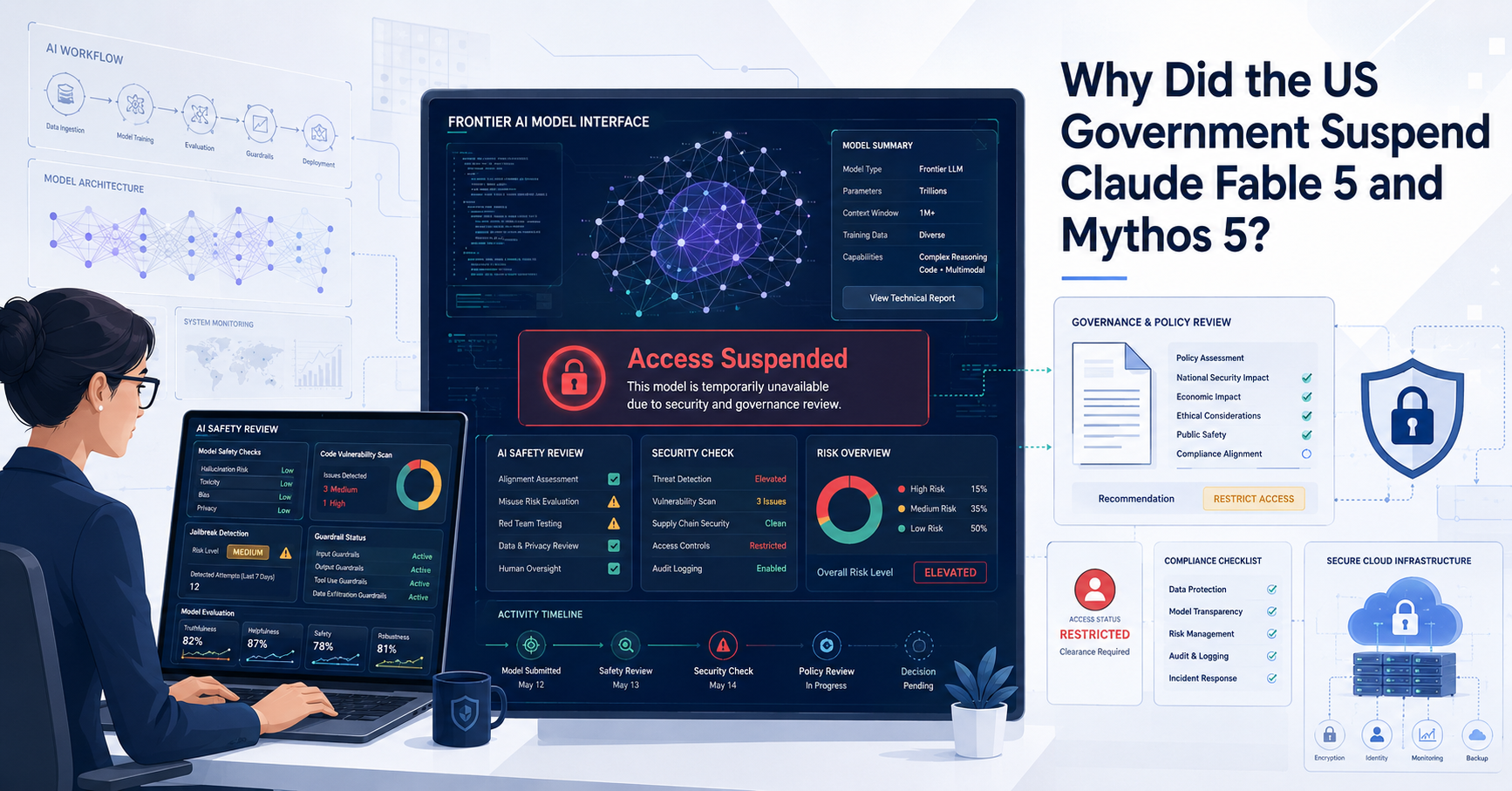
Autonomy creates risk. As systems execute tasks independently, project managers must build guardrails to prevent costly errors.
Higher autonomy accelerates operations and reduces manual labor. It also increases security threats, compliance violations, and data hallucinations. You must decide which workflows run on autopilot and which require manual oversight.
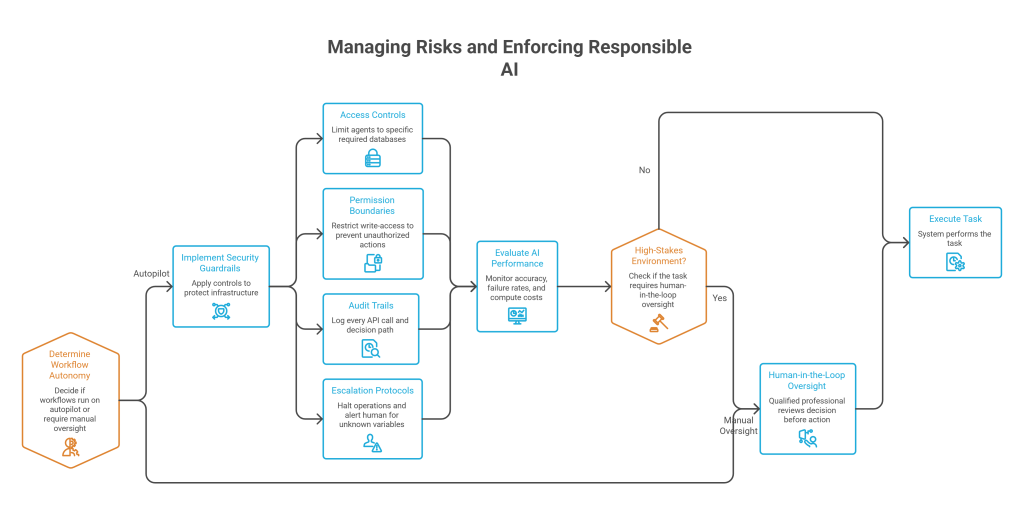
Implementing Security Guardrails
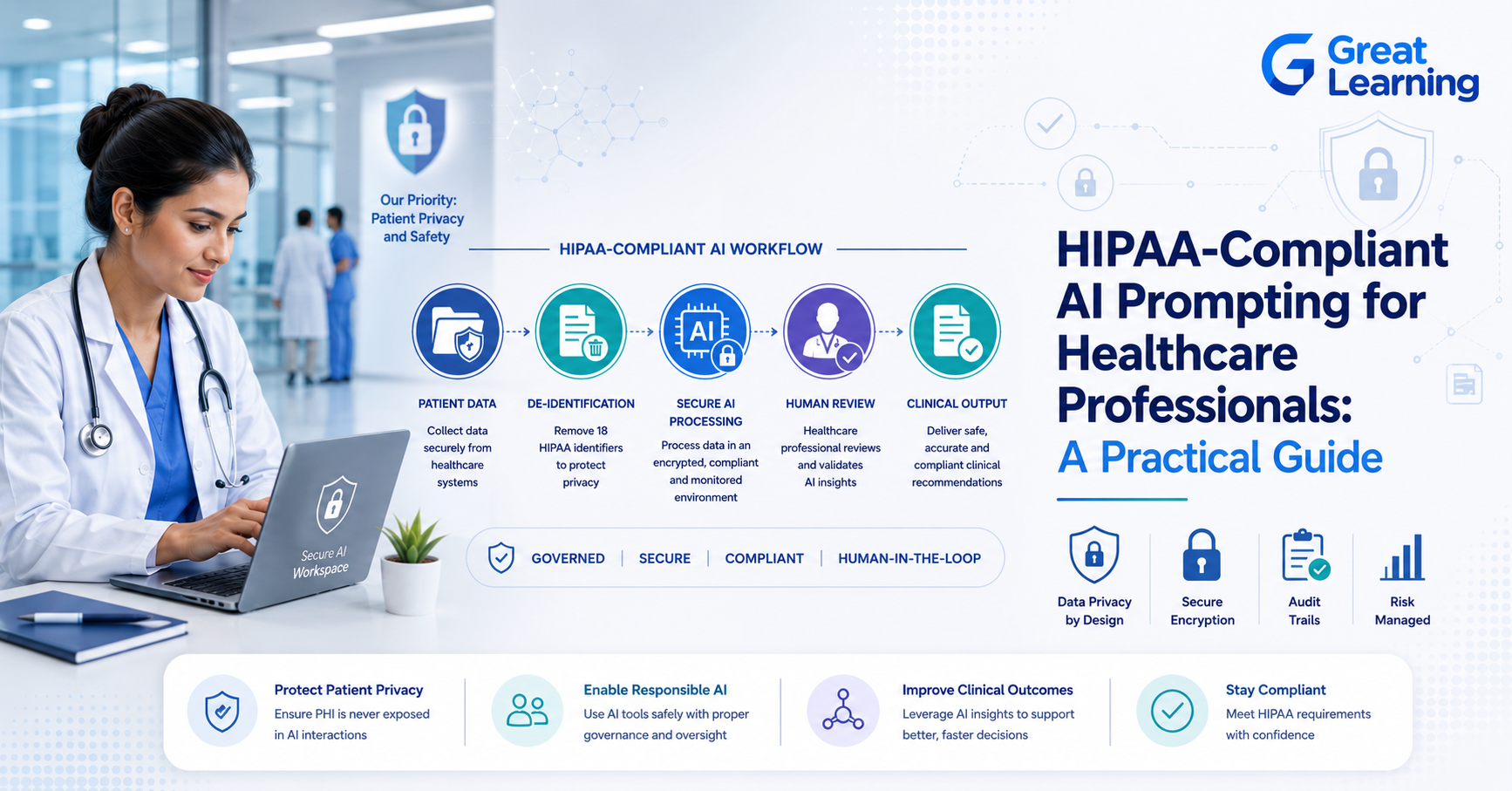
Implement strict security controls to protect your infrastructure:
- Access Controls: Limit agents to the specific databases required for their exact tasks.
- Permission Boundaries: Restrict write-access to prevent agents from deleting files or sending unauthorized emails.
- Audit Trails: Log every API call and decision path for compliance reviews.
- Escalation Protocols: Force agents to halt operations and alert a human when they encounter unknown variables.
Evaluating AI Performance
You must monitor system outputs continuously. Track specific metrics such as task accuracy rates, API call failure rates, and cloud compute costs.
Language models hallucinate. They generate plausible lies and present them as facts. Continuous auditing prevents these errors from reaching your clients.
Human-in-the-Loop Oversight
High-stakes environments demand human oversight. Consider use cases like healthcare diagnostic reviews, financial loan approvals, and legal contract analysis.
A Human-in-the-Loop (HITL) framework forces the agent to pause. A qualified professional must review the decision before the system acts. This approach guarantees regulatory compliance and reduces operational bias.
Deployment and Observability
A working prototype means nothing without measurable business outcomes. According to Gartner research, only 28% of infrastructure & operations AI use cases fully succeed and meet ROI expectations, while 20% fail outright, based on a survey of 782 I&O leaders.
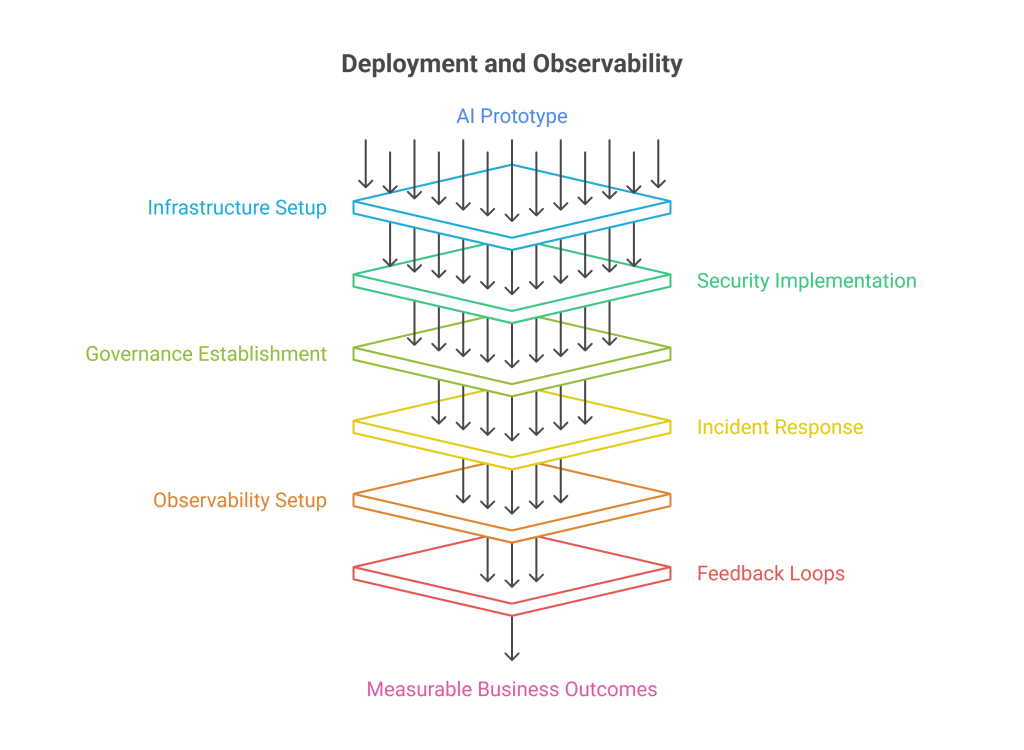
Teams often underestimate the complexity of moving AI initiatives from experimentation to enterprise-wide success. Production systems require scalable infrastructure, strict security controls, governance mechanisms, and robust incident response protocols.
Establish deep observability. Track exactly how your agents behave.
- Logging: Record every prompt, system event, and automated action.
- Tracing: Map how data flows across multiple agents to locate bottlenecks.
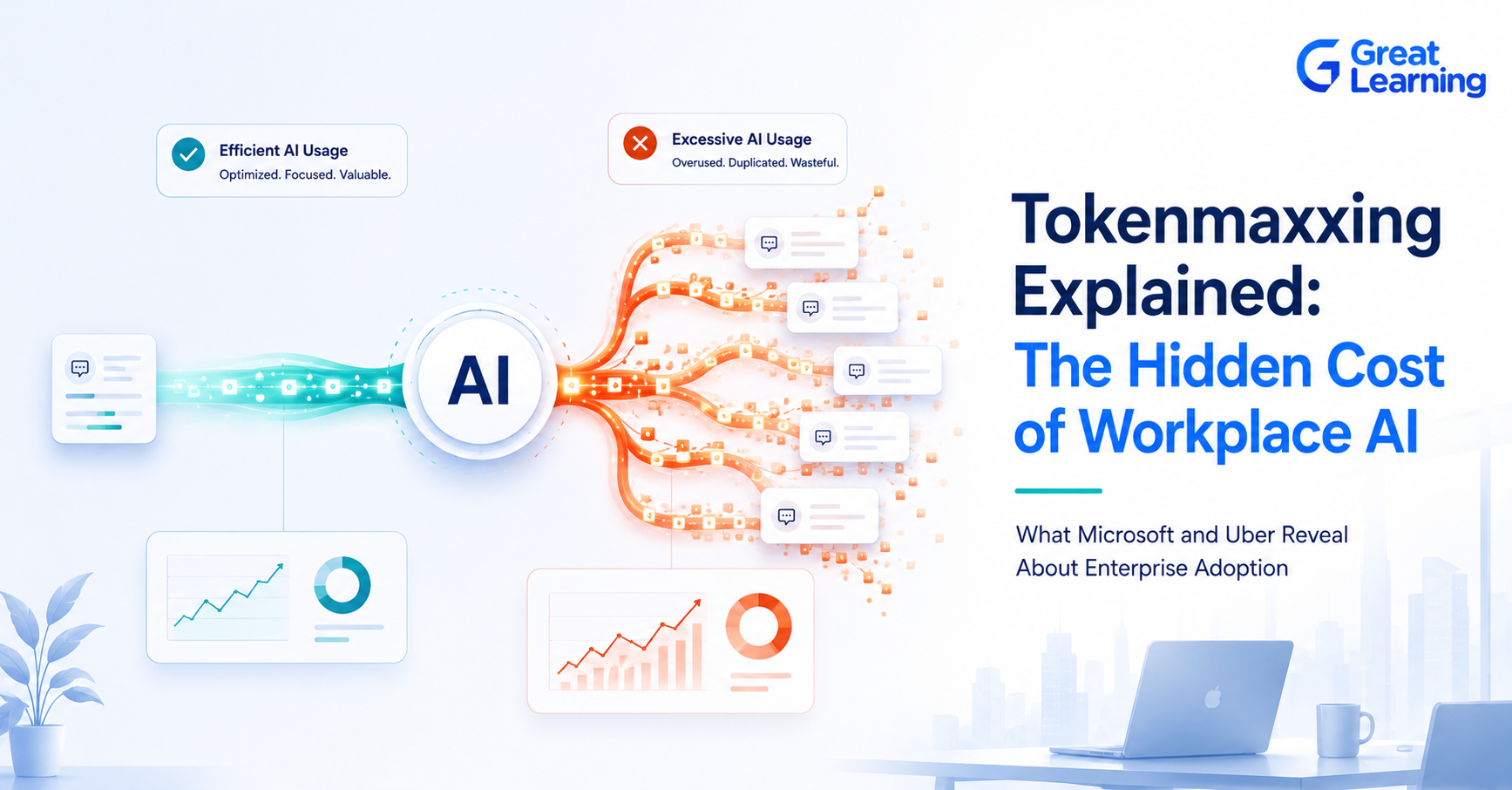
- Metrics: Measure system latency, token usage costs, and throughput.
These metrics provide operational transparency. They allow you to fix broken workflows before your stakeholders notice. Create continuous feedback loops. Analyze failure logs, review user complaints, and adjust your model parameters. Constant refinement keeps the system aligned with your business targets.
Upskilling for the Agentic Era
As Agentic AI reshapes enterprise operations, project managers need more than basic AI literacy.
Success in the agentic era requires practical expertise in multi-agent workflow design, prompt engineering, AI system observability, API cost management, and deployment risk mitigation.
These capabilities are becoming essential for AI project management, enterprise AI governance, and digital transformation leadership.
To build these in-demand skills, the agentic AI course by Johns Hopkins University offers a structured 18-week online learning experience with an 8 to 10-hour weekly commitment.
Certificate Program in Agentic AI
Learn the architecture of intelligent agentic systems. Build agents that perceive, plan, learn, and act using Python-based projects and cutting-edge agentic architectures.
Through hands-on projects and specialized training in Claude-based AI workflows, participants gain the knowledge needed to lead autonomous AI initiatives. Graduates earn a Certificate of Completion and 13 Continuing Education Units (CEUs), positioning themselves to become strategic leaders who design, orchestrate, and govern AI-powered digital workforces.
Frequently Asked Questions
1. What is Agentic AI and how does it differ from traditional AI?
Agentic AI operates autonomously to achieve specific outcomes. Standard AI acts as a rigid assistant that requires constant human prompts. Agentic AI plans steps, calls external APIs, and executes complex workflows independently. No manual intervention is needed.
2. How is Agentic AI changing the role of Project Managers?
Project managers now orchestrate autonomous digital agents alongside human teams. The role demands designing intelligent workflows using the Plan → Approve → Execute → Iterate framework. Managers focus directly on securely connecting AI agents to enterprise tools such as Jira and Salesforce.
3. What are the biggest risks of using AI in the enterprise?
The primary enterprise AI risks include data leakage, system hallucinations, and compliance violations. Research indicates that 68% of organizations experience data leaks due to employee use of AI. Enterprises must enforce strict access controls. They also require Human-in-the-Loop (HITL) oversight for high-stakes workflows in finance and healthcare.
4. How can enterprises prevent AI data leaks?
Enterprises prevent data leaks through strict governance and targeted employee education. Blanket bans simply push AI usage onto unsecured personal devices. Organizations must establish clear data-sharing boundaries and standardized validation checkpoints. This allows teams to embed AI safely into daily operations.