CRM Free Course with Certificate
Customer Relationship Management
 4.59
Beginner level
2.25 learning hrs
4.59
Beginner level
2.25 learning hrs
Learn the fundamentals of Customer Relationship Management (CRM), explore key processes, and learn how to build lasting customer relationships. Enroll in our free CRM course to learn strategies that drive satisfaction and loyalty.
Instructor:
Edwin Thomas


What you'll learn


About this course
This free Customer Relationship Management (CRM) course will equip you with the practical skills to build strong, lasting customer relationships that drive business success. You’ll learn how to effectively manage customer interactions, improve satisfaction, and foster loyalty, giving you a customer-centric edge in your professional role.
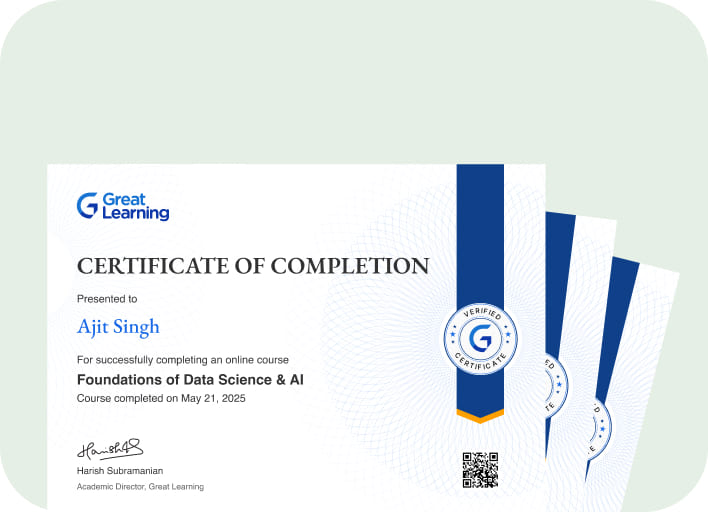
The course covers essential CRM processes, including communication strategies, customer service, and relationship management. You’ll also learn from real-world CRM examples from companies like Apple and Amazon, showing how these strategies directly impact business growth. By the end of the course, you’ll have the skills to enhance your customer relationships, along with a certificate to demonstrate your expertise.
Course outline
Main components of Operations Management
This chapter will cover components like People Management, Lead Management, Sales Force Automation, Customer Service, Marketing, Work Flow Automation, Business Reporting & Analytics.
Introduction to Customer Relationship Management
This chapter will explain what CRM is, why it is needed, and its end goal. It will also talk about some brief real-life examples to better grasp the concept of CRM.
What is Customer Relationship Management?
CRM refers to companies’ strategies, practices, and technologies to manage and analyze their customers’ interactions. This module of the CRM course online will help you understand Customer Relationship Management better.
Benefits of CRM
This chapter throws light on how CRM benefits the business. It will go on to talk about benefits like segmentation, customer retention, and more CRM provides to Sales & Marketing teams.
CRM Process
This chapter will have a step-by-step explanation of the CRM process. From identifying the target market, defining strategy, and customer handling to performance management software selection and re-engaging customers.
What does Customer Relationship Managers do?
In this chapter, you will understand a customer relationship manager's essential roles and responsibilities and what their day looks like.
Examples of CRM
After understanding CRM from a theoretical point of view, this chapter will take on a few real-life examples like Apple's & Amazon's CRM growth strategies.
ChatGPT for Customer Support
In this module, you will explore ChatGPT’s role in transforming customer service, its key benefits for the industry, and practical ways to leverage it for efficient, personalized support.
Get access to the complete curriculum once you enroll in the course
This course is ideal for
- Beginners wanting to learn CRM fundamentals.
- Students and job seekers exploring CRM roles.
- Working professionals managing customer accounts.
- Learners adding a certified skill to their CV.
 4.59
4.59
Level up with advanced skills & become job ready with Pro+
Subscribe to Pro+ today to build skills with 50+ Pro courses and prep for jobs with advanced AI tools.
 PRO
PRO
.jpg "course thumbnail")

Practice exercises
Guided Projects
AI Resume Builder
AI mock interviews














Our course instructor

Edwin Thomas
Research Analyst
Management Expert


Frequently Asked Questions
Will I receive a certificate upon completing this free course?
Is this course free?
What will I learn in this Customer Relationship Management (CRM) course?
In this free CRM course, you’ll learn how to manage and enhance customer relationships effectively. The course covers the basics of CRM systems, handling customer data, and building strategies to improve customer satisfaction and loyalty. You will also explore the various tools and technologies used in CRM to streamline processes, enhance customer engagement, and support business growth.
Who should take this Free CRM course?
This course is ideal for anyone interested in learning about Customer Relationship Management, whether you’re a beginner, a student, or a professional looking to improve your CRM skills. It’s also suitable for HR professionals, sales managers, and marketing teams seeking more profound insights into CRM strategies and tools.
How long does it take to complete this free CRM course?
The course includes approximately 2.25 hours of content. It is self-paced, so you can progress at your own speed, making it easy to fit into your schedule.
What modules are covered in this free online CRM course?
In this course, you’ll explore several essential aspects of CRM, including:
- Main Components of Operations Management
- Introduction to Customer Relationship Management
- What is Customer Relationship Management?
- Benefits of CRM
- CRM Process
- What does Customer Relationship Managers do?
- Examples of CRM
- ChatGPT for Customer Support
Is the Customer Relationship Management course a certification course?
What skills will I gain in this CRM Training course?
The skills you will gain
- CRM Fundamentals
- CRM Benefits Analysis
- Operations Management Understanding
- CRM Process Implementation
- Customer Relationship Management
- CRM Problem Solving
- CRM Application
- CRM Strategy Development
How can I apply what I learn in this CRM course to my work?
After completing this course, you will be able to apply the CRM concepts and tools to improve customer service, sales processes, and marketing strategies. You’ll also be able to use CRM data to analyze customer behaviors, optimize business operations, and develop strategies to build stronger customer relationships.
What industries can benefit from CRM?
CRM is widely used in industries such as retail, banking, hospitality, telecommunications, and healthcare. The techniques and tools taught in this course apply to any industry that requires customer interaction and engagement. Whether you're in customer service, sales, or marketing, CRM systems can help improve your processes and customer outcomes.
Is this free CRM course with certificate self-paced?
Yes, the course is entirely self-paced. You can start at any time and progress through the content at your own pace. This makes it ideal for professionals or students who want to learn CRM free without worrying about strict timelines.
Can I start this CRM course without any prior experience
Yes, this course is designed for beginners. No prior knowledge of CRM systems or data analytics is required. The course starts with the basics and builds up to more advanced concepts, making it accessible for anyone interested in learning CRM free.
What are the steps to enroll in this course?
To enroll in CRM Course, follow the steps mentioned below:
1. Click on the “ENROL NOW” or "ENROL FOR FREE" button at the top right of the page.
2. Sign up and create an account to get started.
3. Once you have validated your details, a window with the overall content and learning videos will appear.
4. You can get started by playing the videos.
Who is eligible to take this Free online Customer Relationship Management Course?
There are no eligibility criteria to take this course. If you are an aspiring CRM professional, then you can go ahead and take up this course.
Why choose Great Learning Academy for this CRM course?
Great Learning is a global ed-tech platform committed to creating skilled professionals. The Great Learning Academy program provides popular free online courses to assist learners in succeeding in their careers.
The free online courses with certificates offered by Great Learning Academy have helped more than 4 million students in 140 countries. Additionally, it provides students with various trending assignments and projects to work on to brush up and enhance their skill set.
Can I sign up for multiple courses from Great Learning Academy at the same time?
Yes, you can sign up for multiple courses from Great Learning Academy and enroll in any field you are interested in simultaneously.
How much does this CRM course cost?
It is an entirely free course from Great Learning Academy. Anyone interested in acquiring knowledge about CRM and building a career in it can get started with this course.
What knowledge and skills will I gain upon completing this CRM course?
You will learn what CRM is, its process, its benefits to the business, & why big companies prefer implementing CRM into their strategies.
What are my next learning options after this CRM course?
Once you have completed this CRM course, you can go ahead and learn about People Management, Communication Management, and more. You can further your learning with the help of an Executive PG Program in Management.
What are the prerequisites required to learn this CRM course?
There are no prerequisites for this course. This CRM course will enhance your customer relationship management skills and eventually build a career in it.
Will I have lifetime access to the free course?
Yes, this course is self-paced, where you can access it and learn at any time at your convenience.
Recommended Free Management courses
 FREE
FREE




Similar courses you might like

.jpg "Course thumbnail image")

.jpg "Course thumbnail image")