Free Digital Media Course
Introduction to Digital Media
 4.54
Beginner level
1.5 learning hrs
4.54
Beginner level
1.5 learning hrs
Start learning Digital Media free with lessons on audience intent, channels, and campaign decisions, then use the course to understand how the topic supports practical goals.
Instructor:
Shantnu Rana




About this course
A beginner-focused free digital media course can reduce confusion by connecting ideas with situations learners actually recognize. The course introduces setup, syntax, core logic, and debugging in a way that shows how the pieces work together. Instead of treating digital media as a list of terms, it explains what to look for, how to reason through common tasks, and why the subject appears in real projects, teams, or business decisions.
The course is a good fit if you want to build small working examples and explain the logic behind them. You can use it to prepare for assignments, interviews, workplace conversations, or a first hands-on project depending on your goal. After finishing, you should be able to explain the core idea of digital media, recognize when it is relevant, and choose a sensible next step such as practice exercises, deeper tools, related frameworks, or a more advanced course.
 4.54
4.54








Our course instructor

Shantnu Rana
Academic Counseling Expert
Management Expert


Frequently Asked Questions
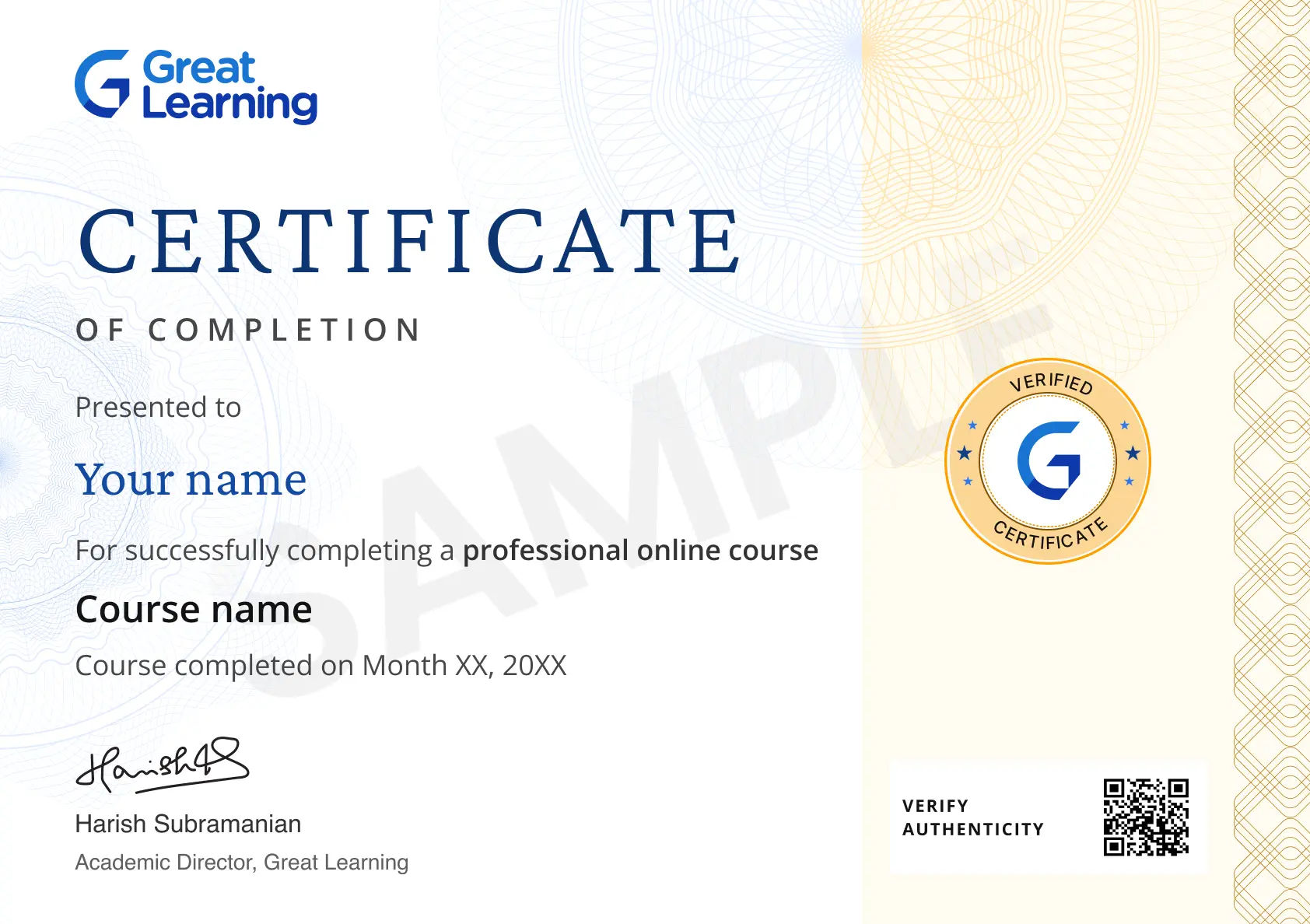
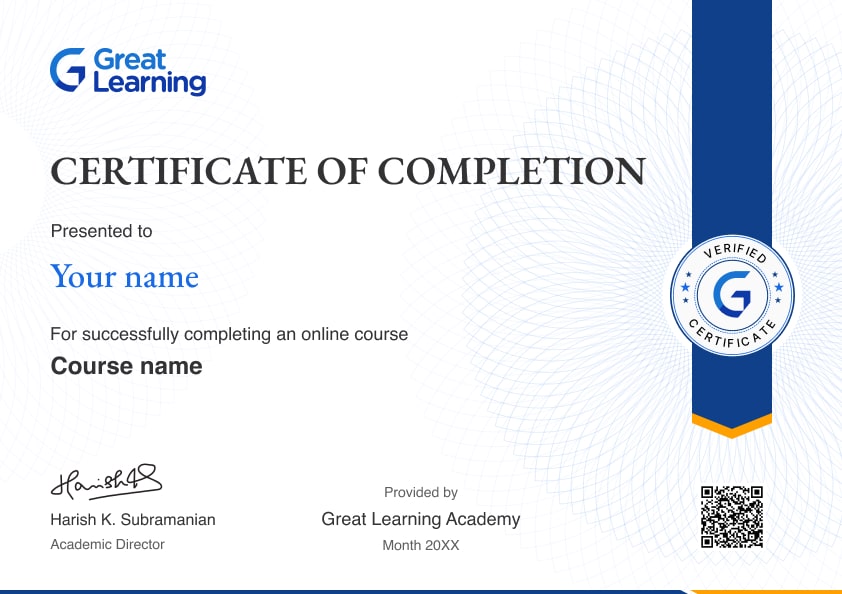
Will I receive a certificate upon completing this free course?
Is this course free?
What are the prerequisites required to learn this Free Introduction to Digital Media Course?
You do not need any prior knowledge to learn this Free Introduction to Digital Media Course.
What will I learn in this free Digital Media course?
How long does it take to complete this free Free Introduction to Digital Media Course?
Introduction to Digital Media is a 1.0-hour long course, but it is self-paced. Once you enrol, you can take your own time to complete the course.
Who should start with this Digital Media course?
Will I have lifetime access to the free course?
Yes, once you enrol in the course, you will have lifetime access to any of the Great Learning Academy’s free courses. You can log in and learn whenever you want to.
How does Digital Media help in practical learning?
Will I get a certificate after completing this Free Introduction to Digital Media Course?
Yes, you will get a certificate of completion after completing all the modules and cracking the assessment.
What Digital Media basics should I know before advanced study?
How much does this Free Introduction to Digital Media Course cost?
It is an entirely free course from Great Learning Academy. Anyone interested in learning Digital Media can start this course.
Can beginners learn Digital Media online through this course?
Is there any limit on how many times I can take this free course?
No. There is no limit. Once you enrol in the Free Introduction to Digital Media Course, you have lifetime access to it. So, you can log in anytime and learn it for free online.
What makes this Digital Media training useful for projects?
Who is eligible to take this Free Introduction to Digital Media Course?
You do not need any prerequisites to learn the course, so enrol today and learn it for free online.
How should I practice after finishing Digital Media?
What questions does this free Digital Media course answer for learners?
Recommended Free Management courses
 FREE
FREE



Similar courses you might like


Related Management Courses

-
Sponsored

Great Lakes Institute of Management
Post Graduate Diploma in Management (Online)2 years · Online
Online MBA EquivalentKnow More
-
Walsh College
Doctor of Business Administration in General Management3 Years · Online
Top 10 best online DBA DegreeKnow More
-
Great Lakes Executive Learning
Executive PG Program in Management12 months · Online
Certificate from Great LakesKnow More


Relevant Career Paths >



Introduction to Digital Media
Digital media refers to all forms of electronic communication that are transmitted over the internet or computer networks. The use of digital media has grown significantly over the past few decades and has had a profound impact on the way people communicate, access information, and consume media. One of the main advantages of digital media is its accessibility. The internet has made it possible for people to access a vast amount of information and media from anywhere in the world. This has led to a democratization of information, as people are no longer limited to traditional sources of news and information, such as newspapers and television networks. Instead, anyone with an internet connection can access a wealth of information, including news articles, videos, podcasts, and blogs, from a variety of sources.
Digital media has also transformed the way people consume media. With the rise of streaming services like Netflix, Hulu, and Amazon Prime, people can now watch their favorite movies and television shows on demand without having to worry about scheduling conflicts or missing an episode. Similarly, the popularity of music streaming services like Spotify and Apple Music has made it easier than ever for people to discover new artists and enjoy their favorite music on the go. Social media platforms like Facebook, Twitter, and Instagram have also had a profound impact on the way people communicate and connect with each other. These platforms have made it possible for people to stay in touch with friends and family members across the world, share news and information, and build communities around shared interests and hobbies.
However, the widespread use of digital media has also raised concerns about privacy and security. With so much personal information being shared online, there is a risk that this information could be stolen or misused by hackers and other malicious actors. Similarly, the use of social media has raised concerns about the impact that these platforms can have on mental health and well-being, particularly among young people. Another major concern with digital media is the rise of fake news and disinformation. With so much information available online, it can be difficult for people to distinguish between credible sources and those that are spreading false information. This has led to a growing distrust of traditional media outlets, as well as a rise in the popularity of alternative news sources that may not be credible. Despite these concerns, digital media continues to play an important role in society. The accessibility and convenience of digital media make it a valuable tool for education, entertainment, and communication. For example, online learning platforms like Coursera and Khan Academy have made it possible for people to access high-quality educational content from anywhere in the world.
In conclusion, digital media has had a profound impact on the way people communicate, access information, and consume media. While there are concerns about the privacy and security implications of digital media, its accessibility and convenience make it an important tool for education, entertainment, and communication. As digital media continues to evolve, it will be important for individuals, organizations, and governments to work together to ensure that it is used in a responsible and ethical manner.